Funeral House

Funeral House

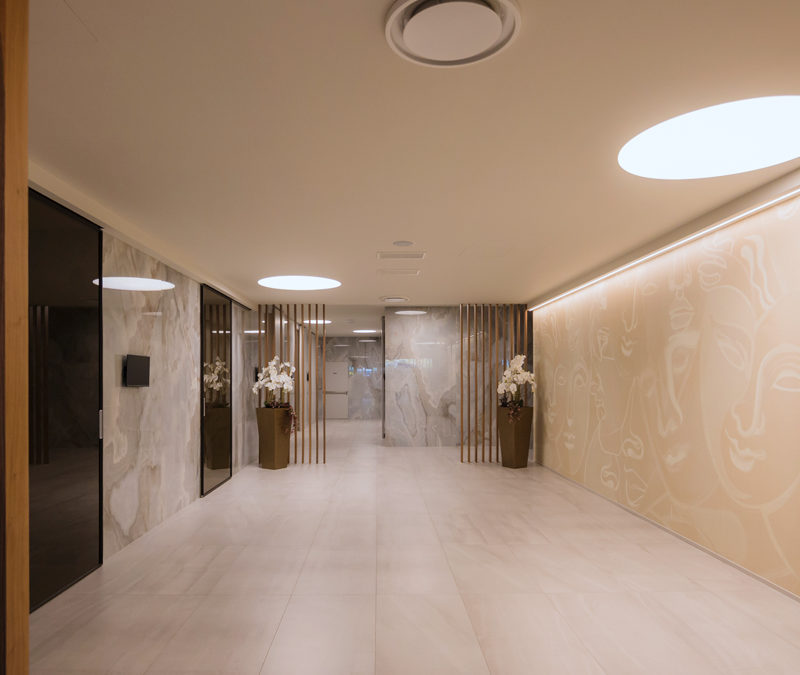
The Funeral House was recently inaugurated in Bergamo, a solemn but at the same time intimate and delicate place, intended to give the last farewell to loved ones.
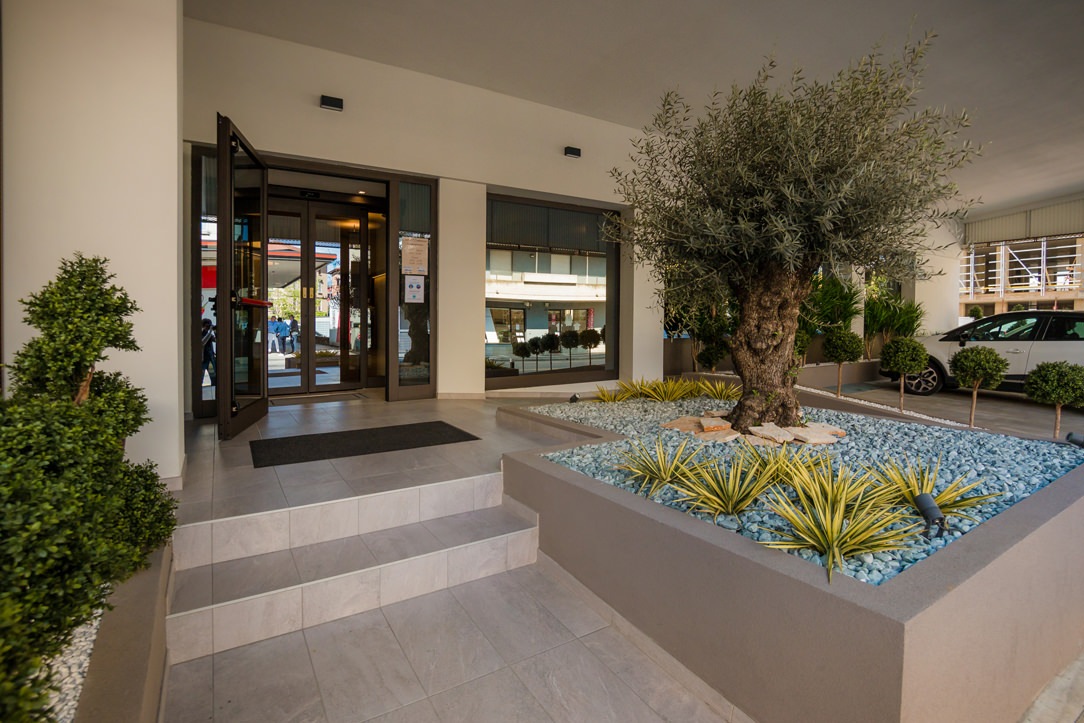
Funeral House entrance

THE ARCHITECTURE OF THE PLACE

The structure, built within the urban context, becomes a living and integral part of the community with its strong stylistic and architectural connotation.
Given the nature of the large spaces, the feelings transmitted are one of tranquility and protection, with lounges dedicated to meditation and sharing.

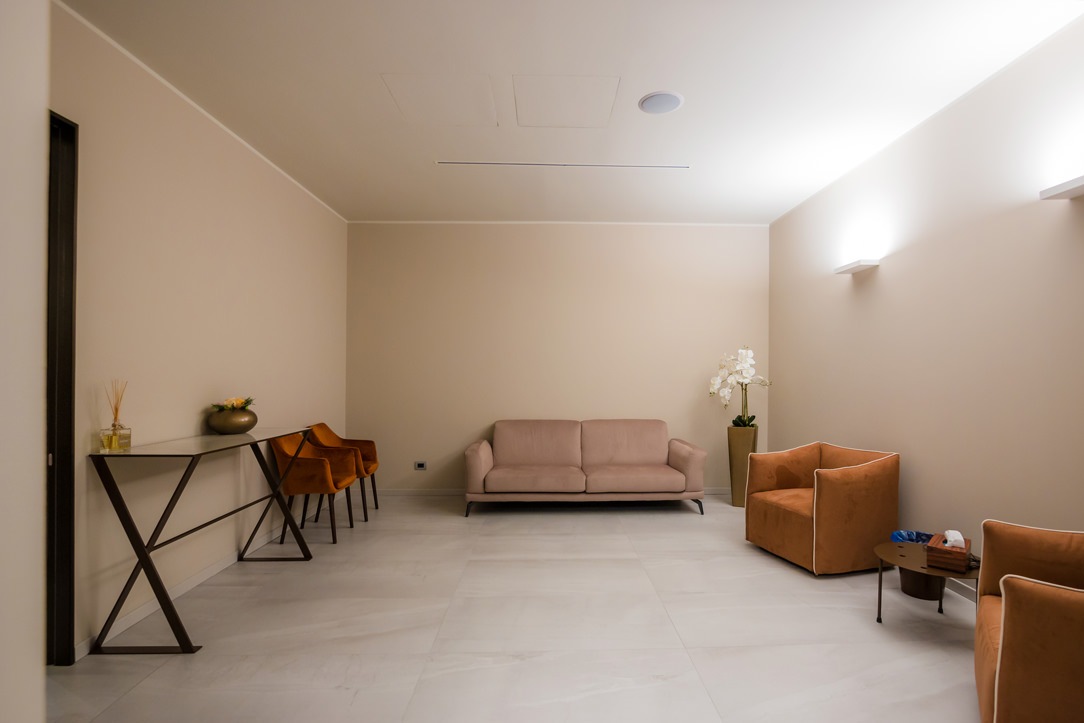
There is a Laical room and a Room for the ceremony for the delivery of the ashes and Private rooms.
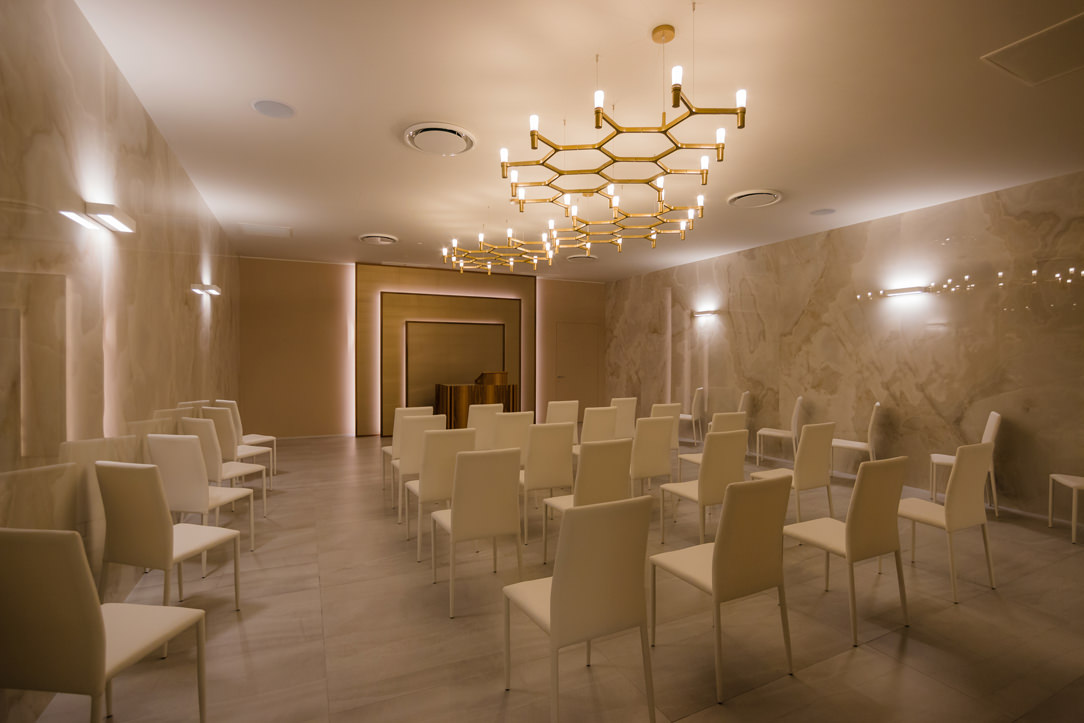
Laical Room
Funeral House private room

The lighting plays a fundamental role, it comes both from the outside, slightly obscured by smoked glass, and from the inside, expertly designed so that it is punctual but not excessive.
Round ceiling lights in the corridor part are flanked by sophisticated design chandeliers at the entrance and in the rooms.
All the light is dimmable to ensure that moments of wakefulness and intimacy are distinguished from others as the day progresses.
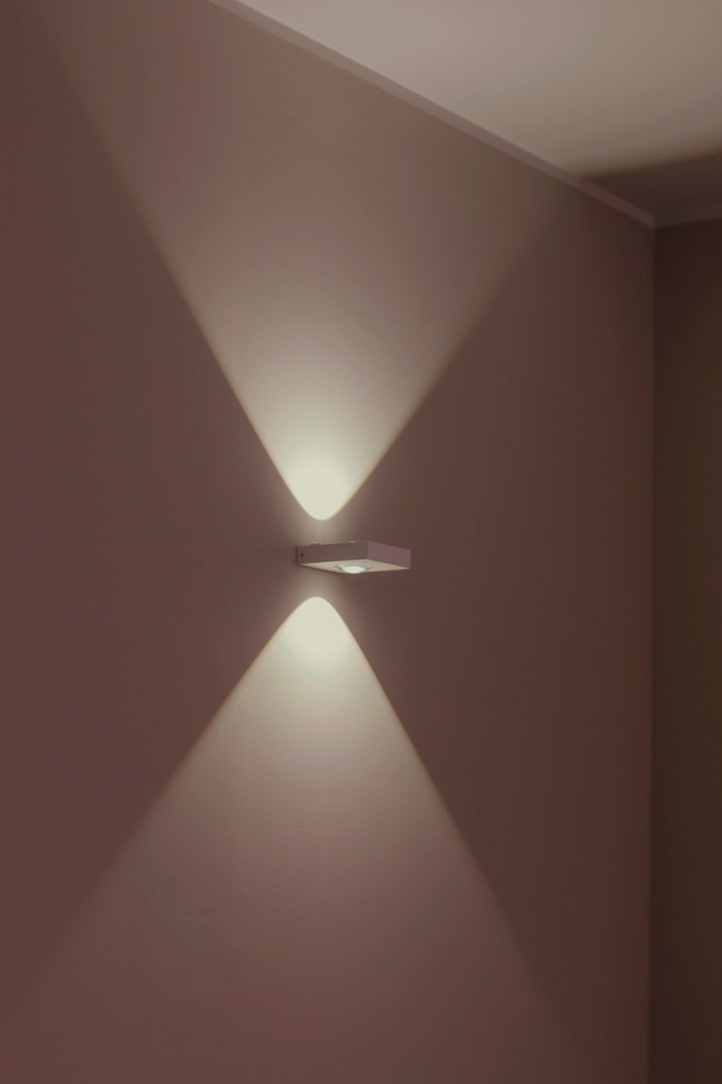
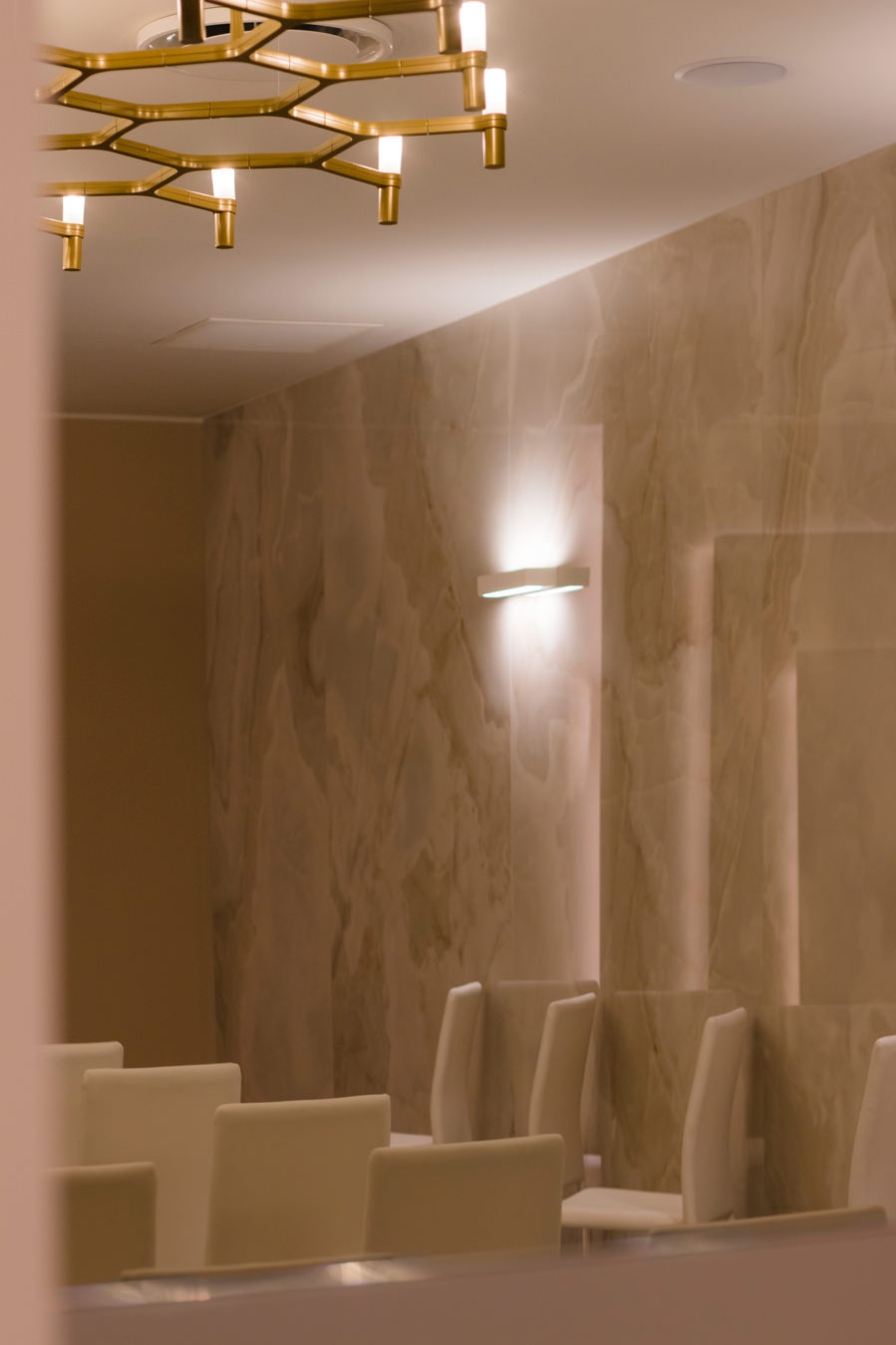
light details
ceiling wall lighting

Onyx-effect tiles are the material protagonists of the environment, covering most of the full-height walls.
These are combined with the soft gray stoneware on the floor and the dove-gray upholstery for the Laical Room.
The decorative fil rouge of all the rooms is walnut declined in the form of floor-to-ceiling slats. These are found in different points of the structure, marking its visual rhythms.
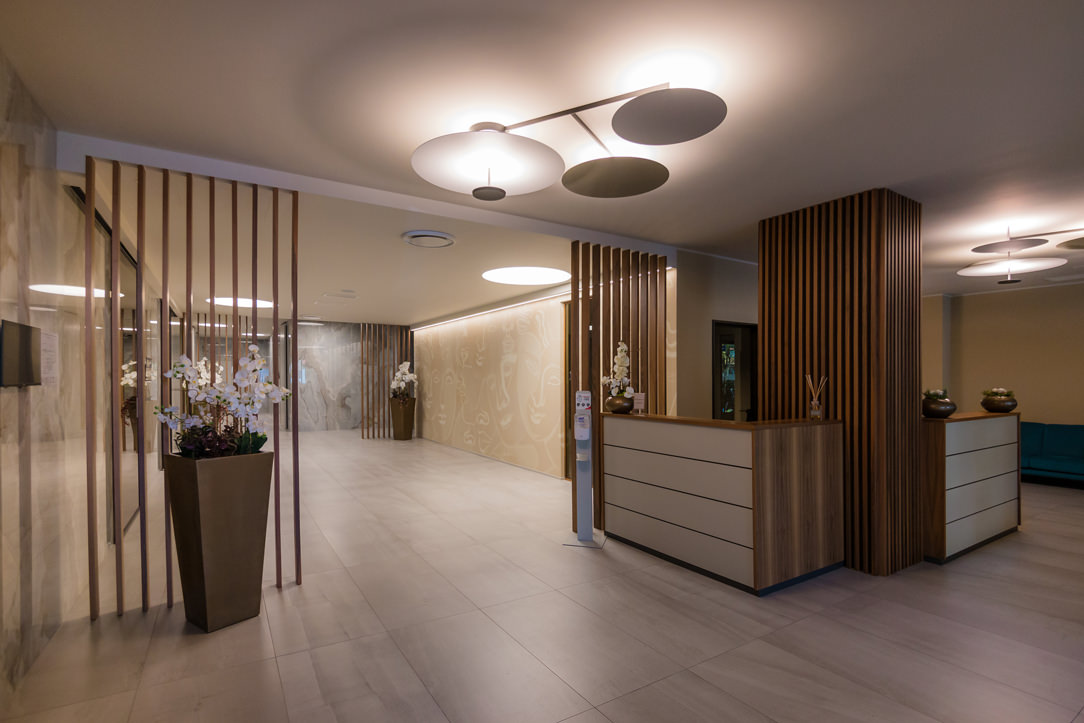
Funeral House entrance

A dedicated space has been created for children with a library made up of titles selected by Ursula Gruner for age groups.
This sweet thought for the little ones can be a valuable help to accompany them in understanding the importance of that moment.
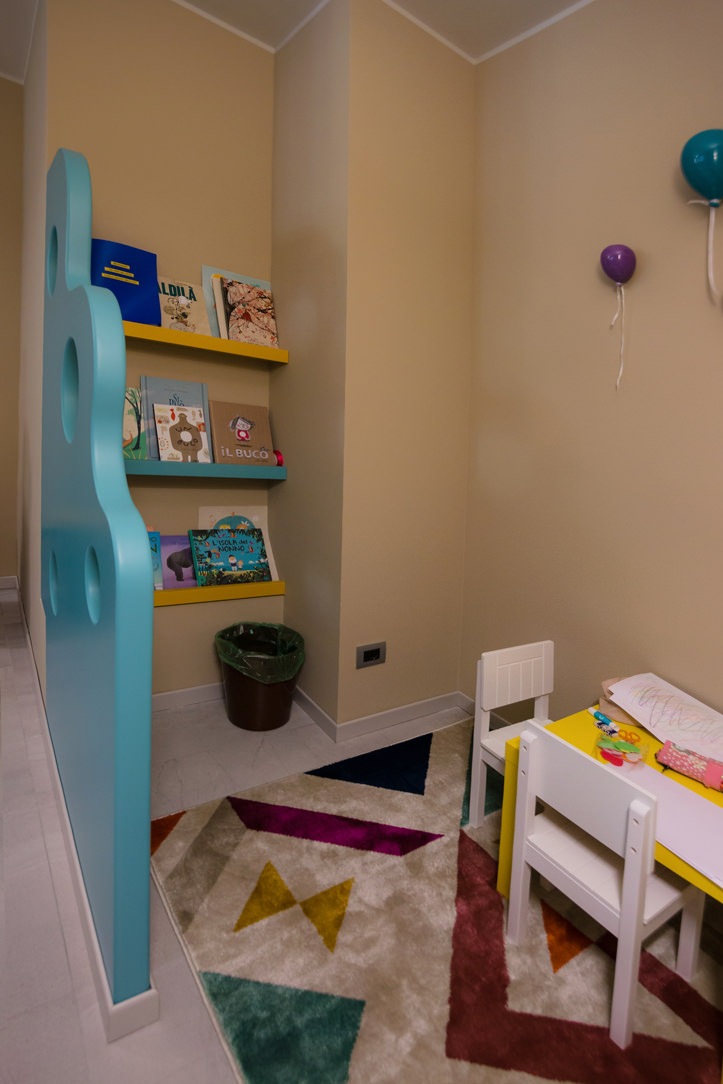
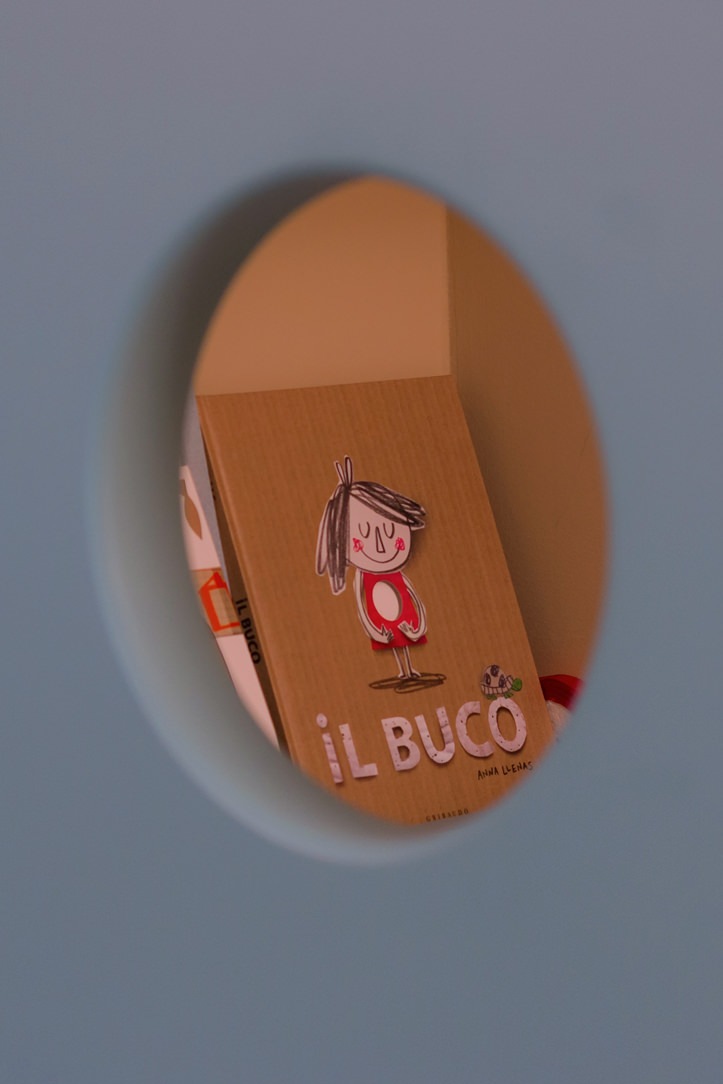
space for children
books for childrens

OUR WORK

We took care of some of the furnishing elements of this imposing structure.
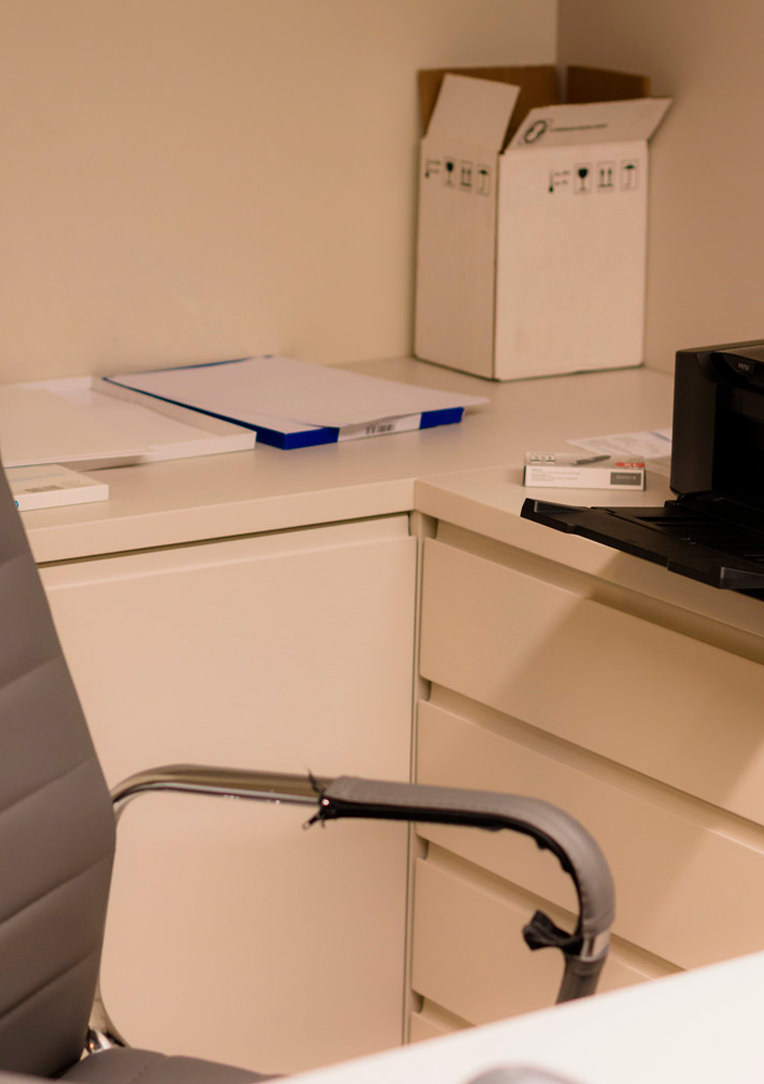
Mainly of the two executive offices, whose goal is to make them operational and functional while maintaining overall elegance and a sense of lightness.
Since the entire Funeral House is very characterized in terms of elements, colors and materials, a very neutral project was opted for.
In fact, the furniture, which has the same delicate color as the walls, disappears inside the two rooms and serves only as a logistical support.
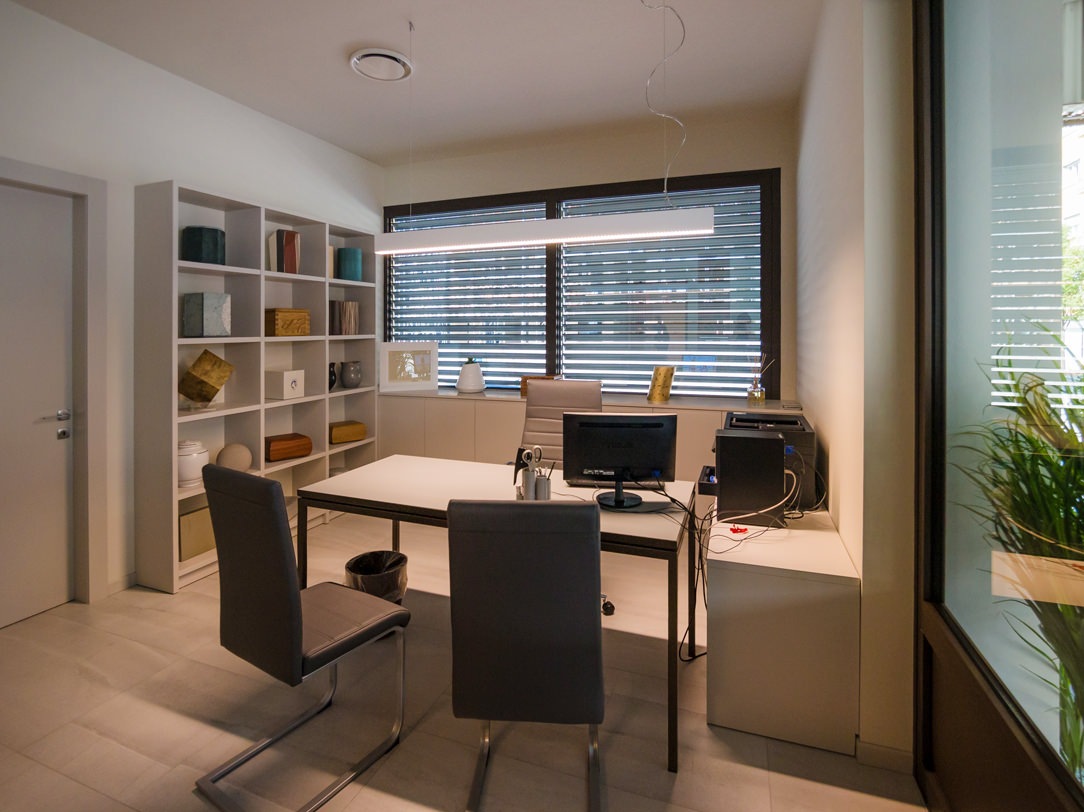
big office

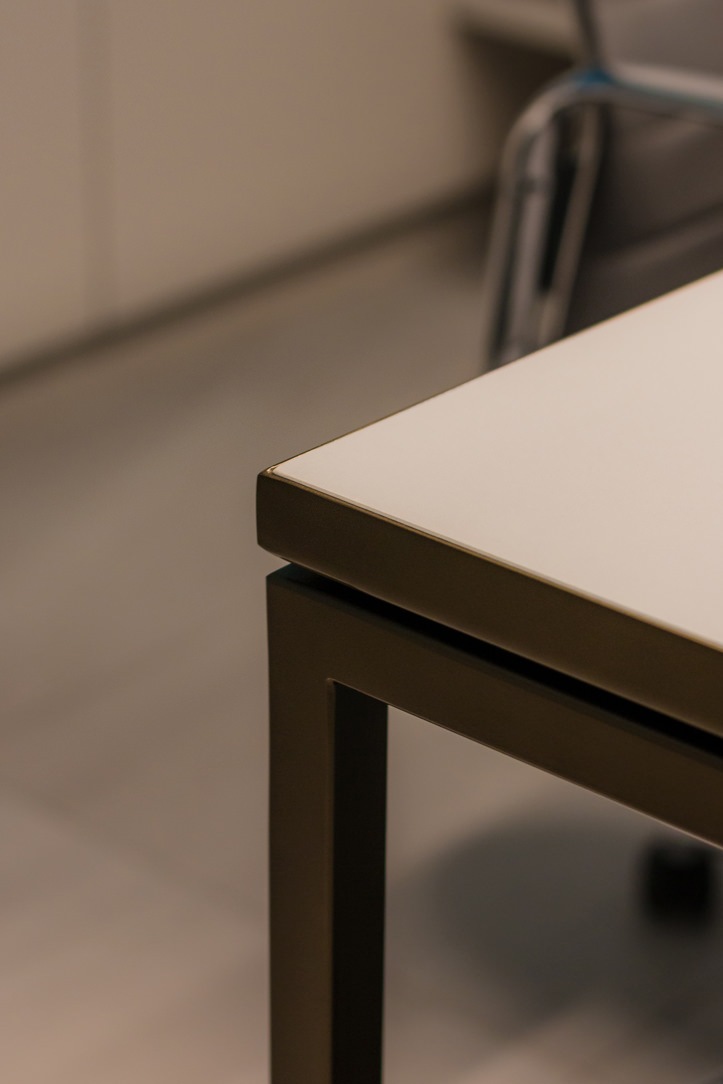
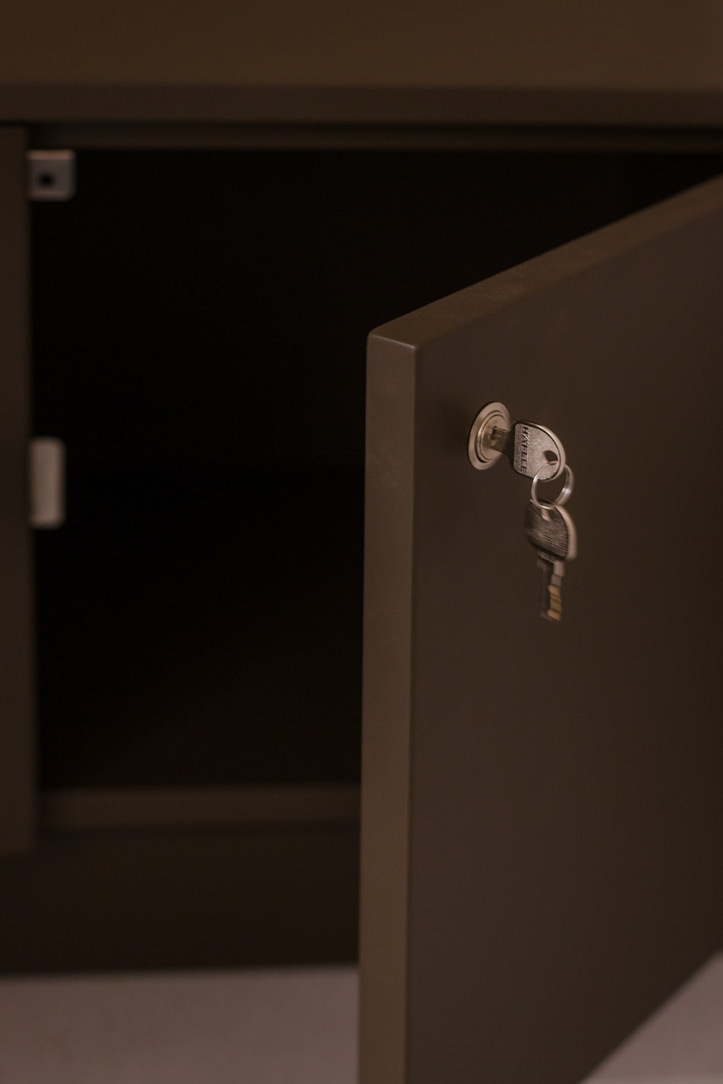
Doors and drawers hide folders, files and all the bureaucratic aspect of the structure, leaving only two light tables with a bronze structure in sight.
Here is another example of an office with a similar table structure but in stainless steel finish.
In the smaller office, the furniture from the niches develops in an equipped lateral extension that reaches the table, remaining at its side with a chest of drawers and internal shelves available.
The piece of furniture where the desk rests can be accessed from the side, next to another tall shelf unit.
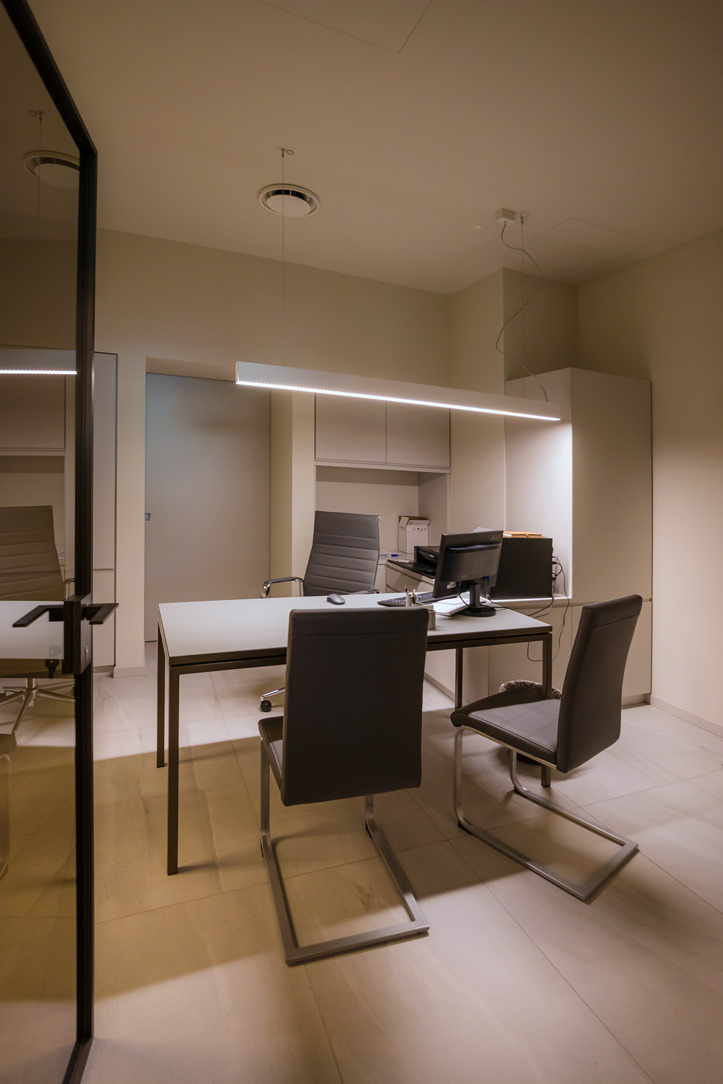
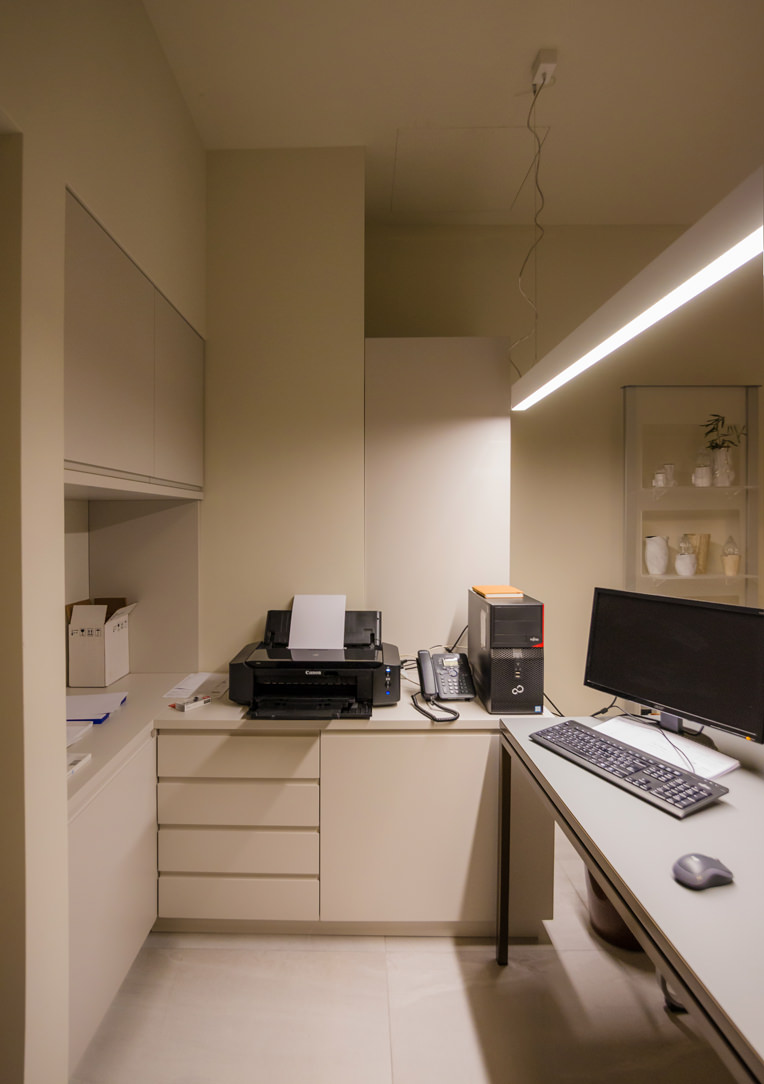
 small vertical studio funeral house
smal studio lateral
details corner

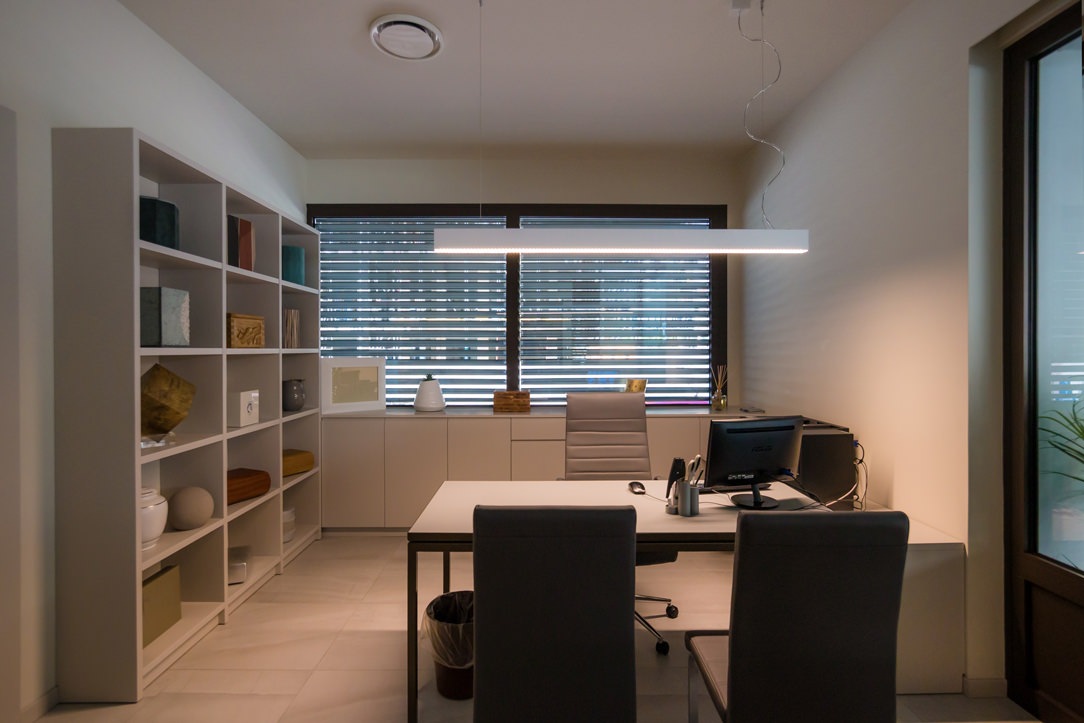
In the second office, larger than the previous one, the furniture is developed in a U shape, using the niche of the large window as the largest equipped surface.
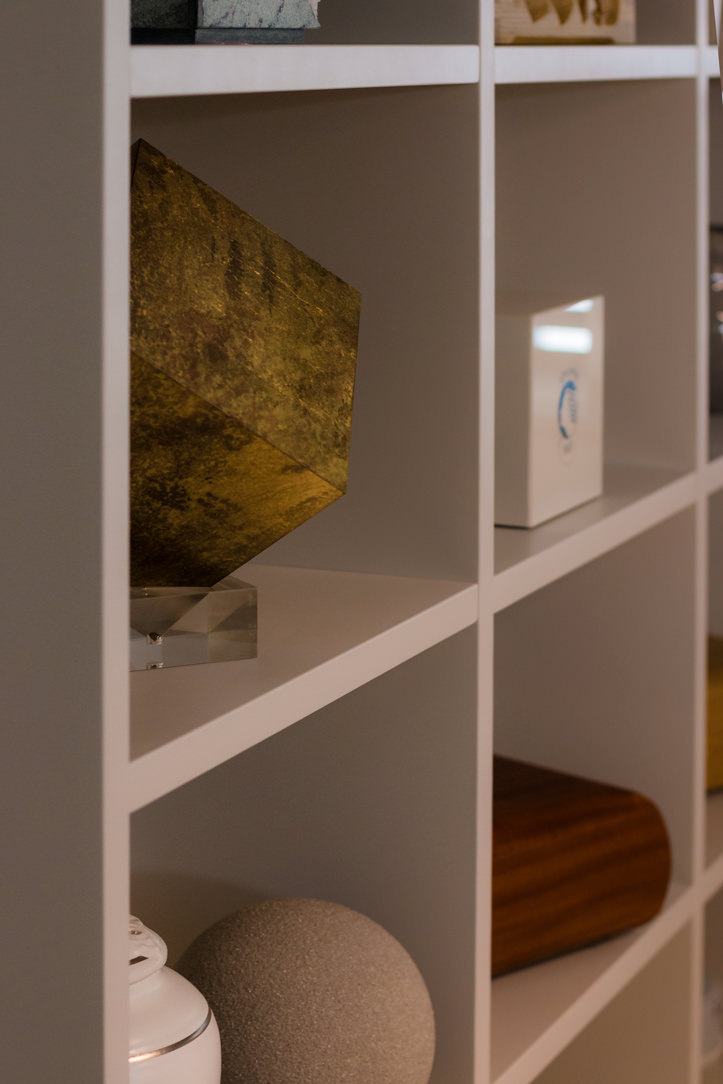
Here, in the center, there are drawers and doors with internal shelves, while the two side becomes an extension and display case for small marble objects and cinerary urns.
The representative table with bronze painted iron structure and medium gray top in Linoleum is positioned exactly under the spot lighting from the ceiling.
big office
details expo
details table bronze funeral house

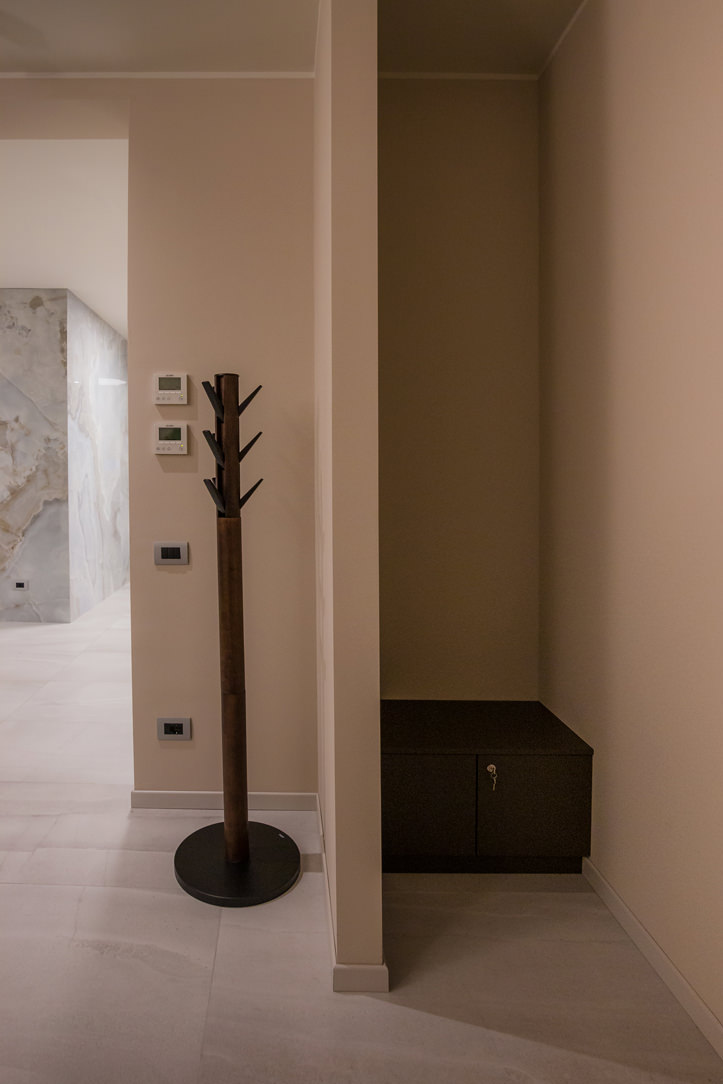
Inside the Private rooms, small storage cabinets equip the room without visually invading it.
drawer units in the funeral house niche
drawer units in the farewell house niche

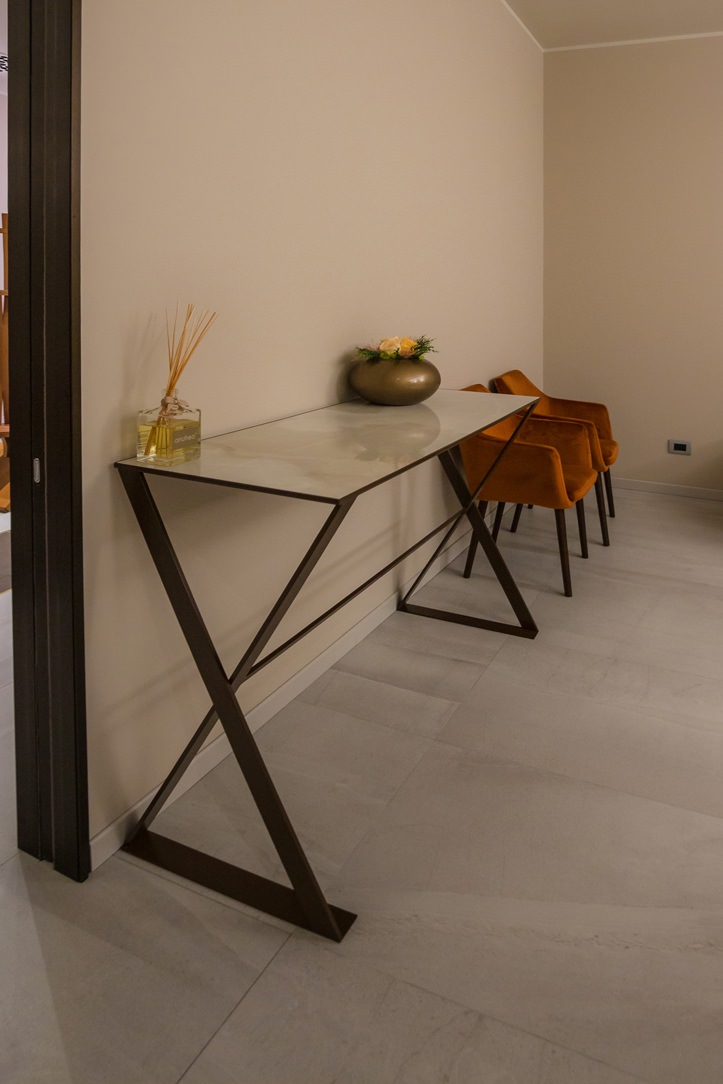
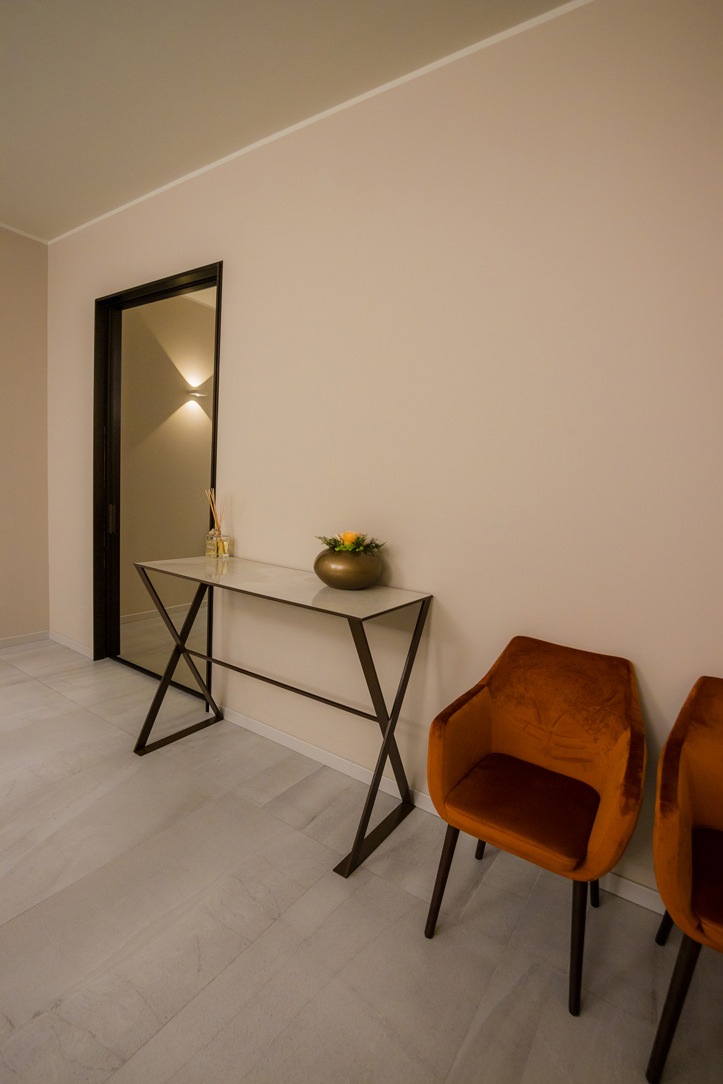
The consoles and tables of the rooms are based on our design, which have been skillfully made in painted folded sheet metal. The design concept was to obtain a light, load-bearing and unobtrusive structure. The console features two side legs with an inverted X structure, in which the narrow rectangular section of the structure changes its axis and is combined with the wide one. This allows for visual movement by varying the perspective of the element. An elegant slab of onyx-effect stoneware has been recessed into the top of the console, on which the Book of signatures will be placed. The same structure, combined with two “cross” side defines the low tables. The base of the latter recall the one of the consoles while the top is made in a round and thin sheet metal. As the color of both a slightly bronzed dark brown, which recalls the fixtures and finishes of the structure.
leg's console
consolle lateral

THE INAUGURATION OF THE FUNERAL HOUSE

The presentation of the Casa del Commiato was also innovative and interesting. The first access to the public was in fact crowned by a short but intense exhibition, Wish You Were Here. Here the works of 23 artists dealt with a delicate theme such as death, in empty and not yet furnished rooms. “An intimate and spiritual journey of the analysis of absence but also an attempt to crystallize and make eternal that extraordinary emotional tension that originates from the pain of loss, transforming it into a regenerating force. Through the powerful connotation of the place, the artists’ works resonate with the themes of infinity, beyond, melancholy, tension and desire, ensuring that even a painful concept such as absence can become a positive engine of creative production “. (cit. Gabriele Salvaterra) In the Laical Room an installation by Noemi Mirata shows a dying body give way to a new plant life, which rises upwards. On the back screen a video of Elisabetta di Sopra in which the gestures in caring for a life that is born and one that goes are repeated.
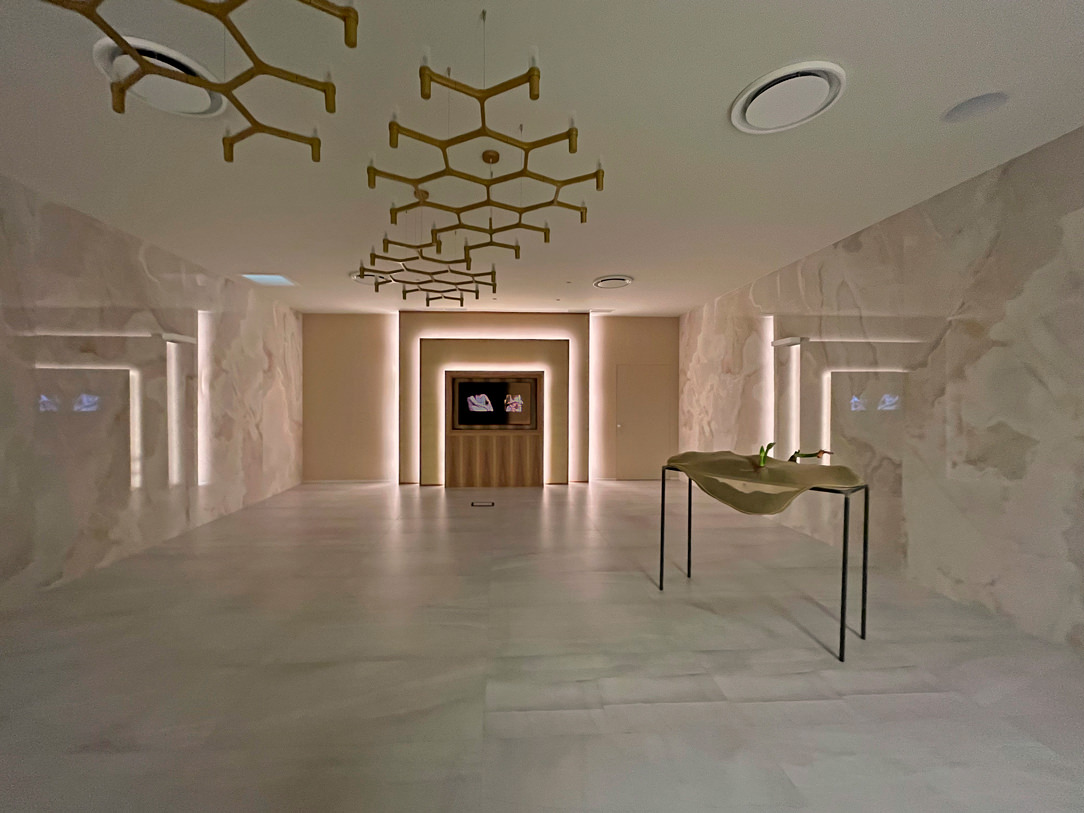
Noemi Mirata, La fisica dell’oltre Elisabetta Di Sopra, THE CARE

In the front La fisica dell’oltre Noemi Mirata. Video installation Elisabetta Di Sopra, THE CARE 

At the center of the large corridor is the work of Martina Cioffi made of raku ceramic. The sculpture tends to evoke a powerful nature, mixed animal and vegetable, creative and fruitful.
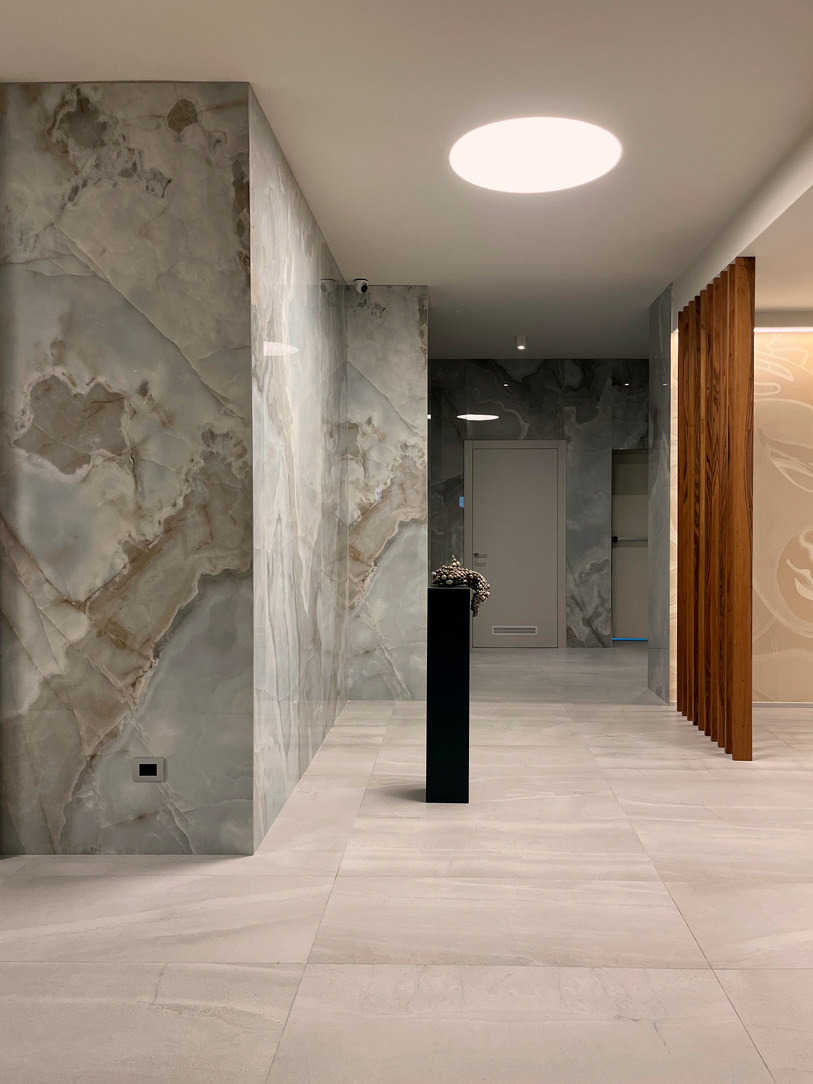
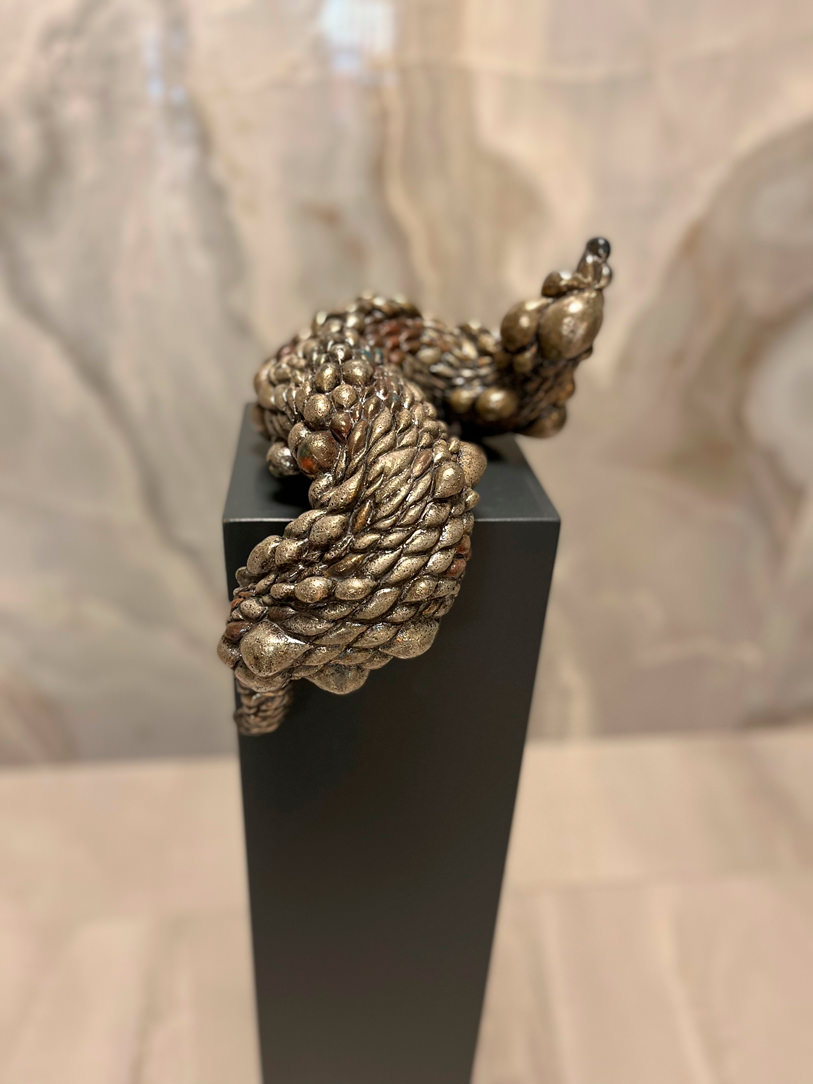
Martina Cioffi, Shape-shifting #1

Martina Cioffi, Shape-shifting #1 

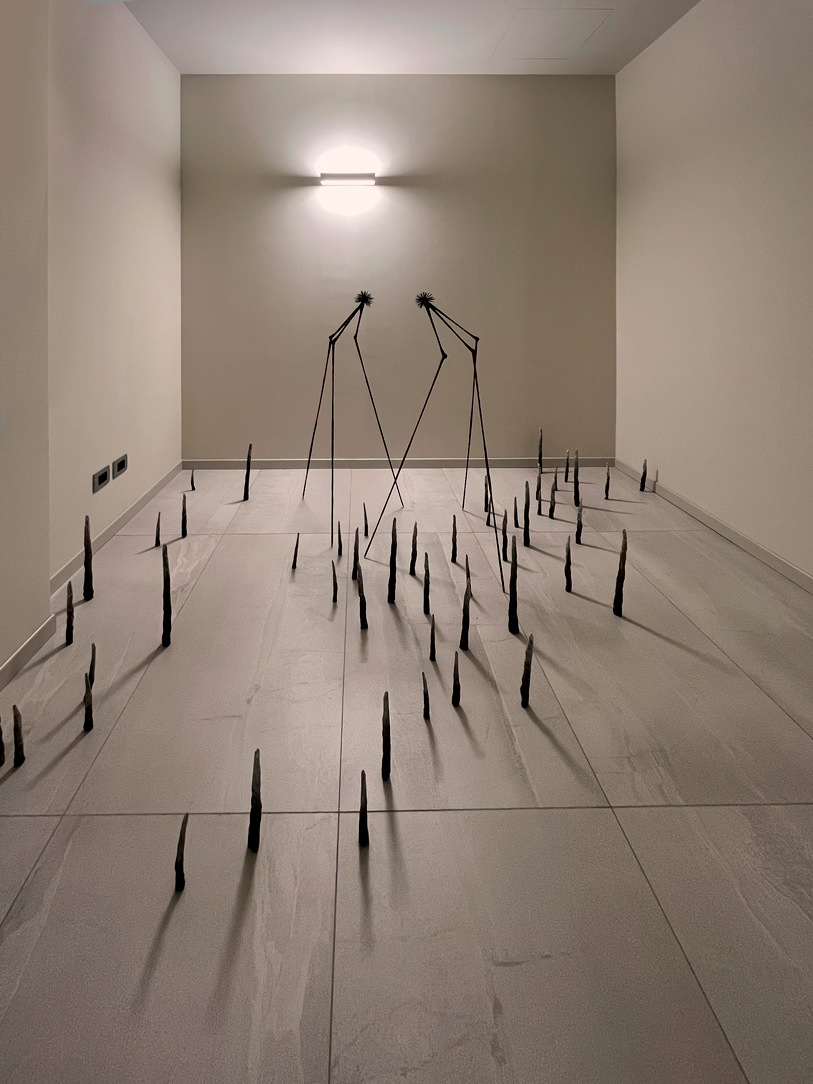
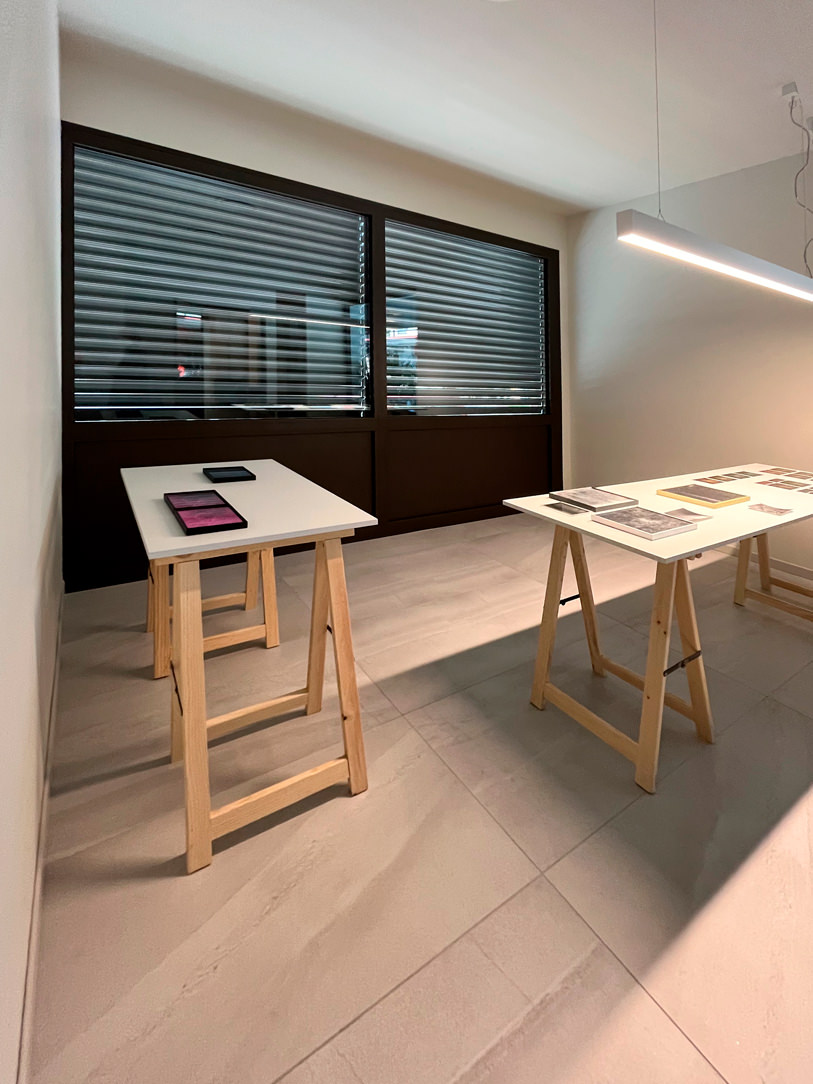
In the smaller office the dreamlike work of Lorenzo D’Alba, in which two alien creatures find their natural habitat in empty space. In the larger office, the photographic series by Lidia Bianchi in which the memory of her father is mixed with Pierpaolo Pasolini’s thoughts on fireflies, a sign of the loss of an original nature, naivety, and amazement.
Lorenzo D'Alba
Lidia Bianchi

Lorenzo D’Alba Echinus and Lidia Bianchi Sono Tornate le Lucciole

These are just some of the installations of the exhibition that developed within all the rooms of the Funeral House. The inauguration took place between 25 and 28 March, exactly two years after the first lockdown due to the Covid-19 pandemic, which especially hit Bergamo and prevented many families from being able to greet their deceased with dignity. After two long years, Generali Onoranze Funebri and the Centro Funerario Bergamasco open a place, in the heart of the city, where death can find space and be included in life.
THE FURNISHING OF A TAVERN IN A CONTEMPORARY STYLE

THE FURNISHING OF A TAVERN IN A CONTEMPORARY STYLE

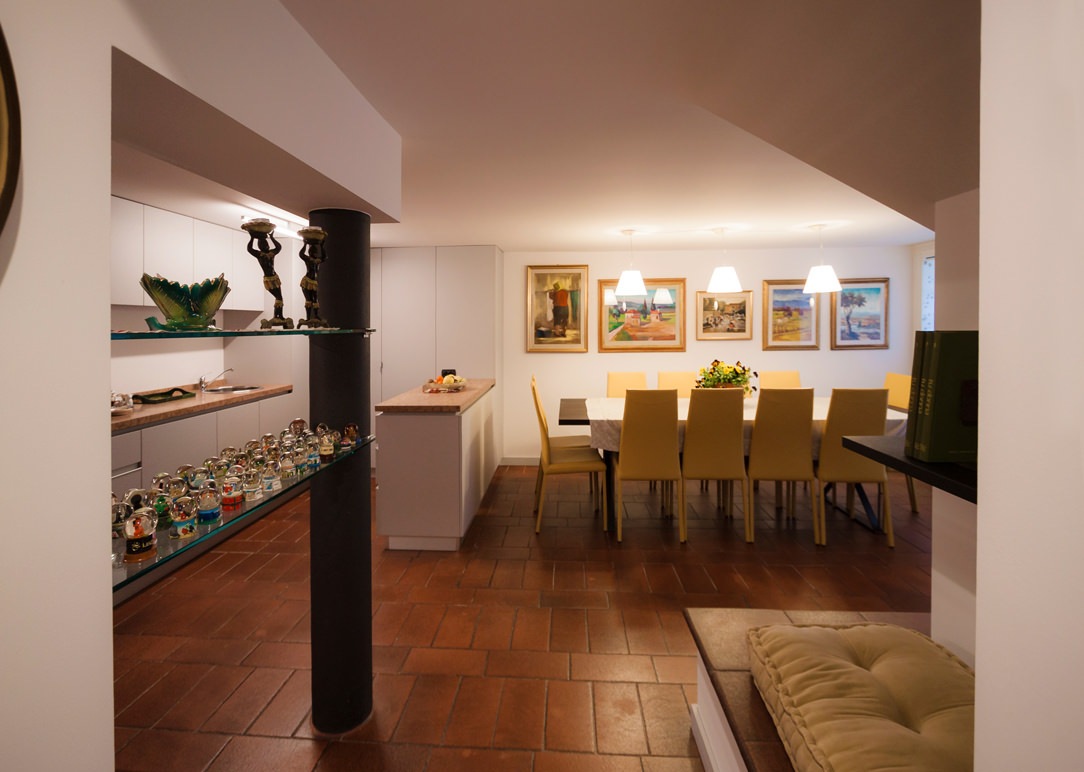
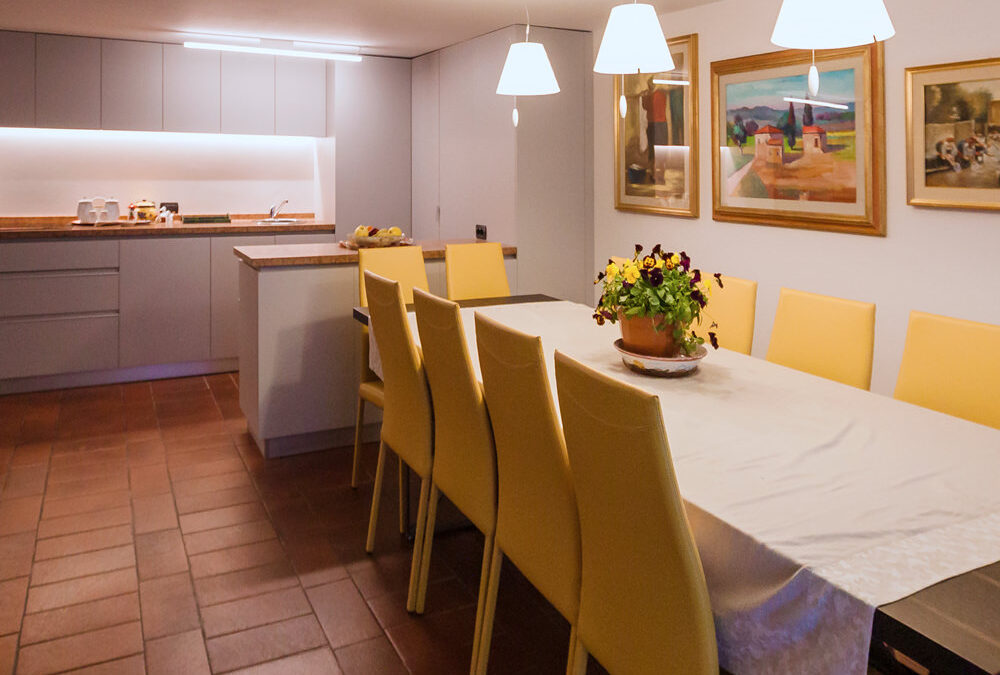
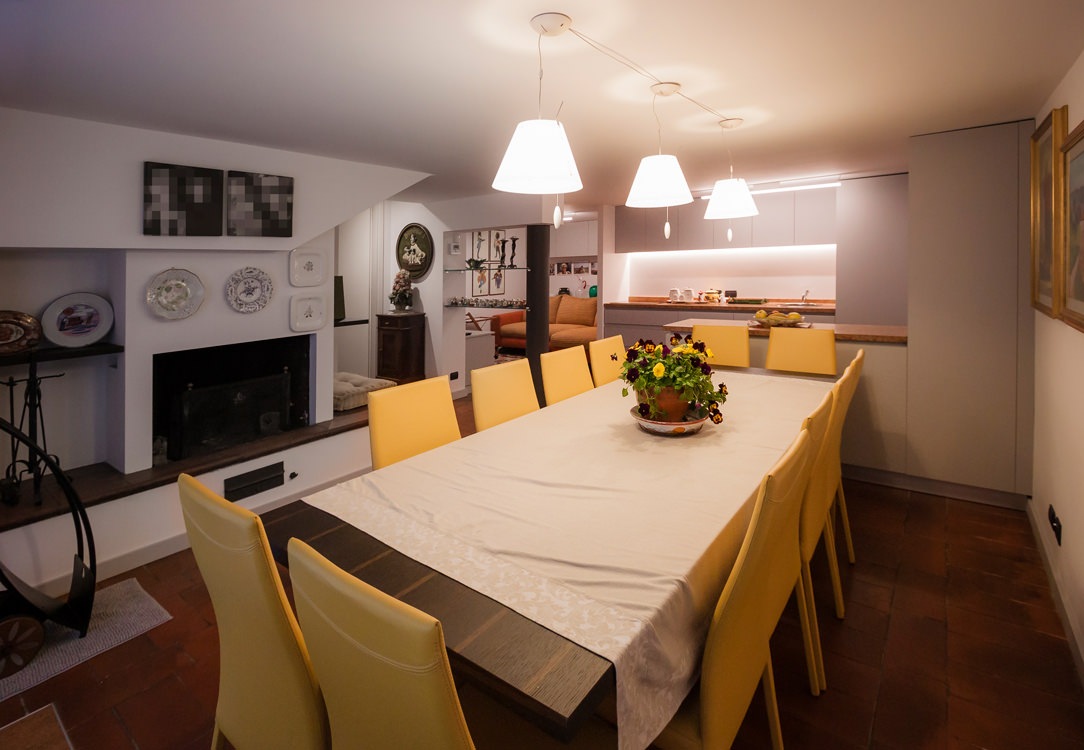
The interior design of the taverns with the passage of time requires small retouchers to return to their original beauty and allow the owners to rediscover that desire to fully living the space. Here the case of a tavern adapted in a contemporary style.

Modern wooden table tavern

THE TAVERN

The tavern is a home environment that risks not to being exploited to the fullest, especially if it is used as a second living area. However, what makes it different from the traditional living area is an intrinsic intimacy that makes it the most welcoming place in the whole house. How many people immediately think of the tavern when they have to organize a dinner with friends? Or when they want to enjoy a bit of tranquility, how many of them are isolating themselves in the company of a good book in their relaxing corner? Precisely for this reason the tavern can be elected as the most convivial and intimate place in the house, although its furniture must always be functional and in line with the other environments.

Kitchen tavern table lights

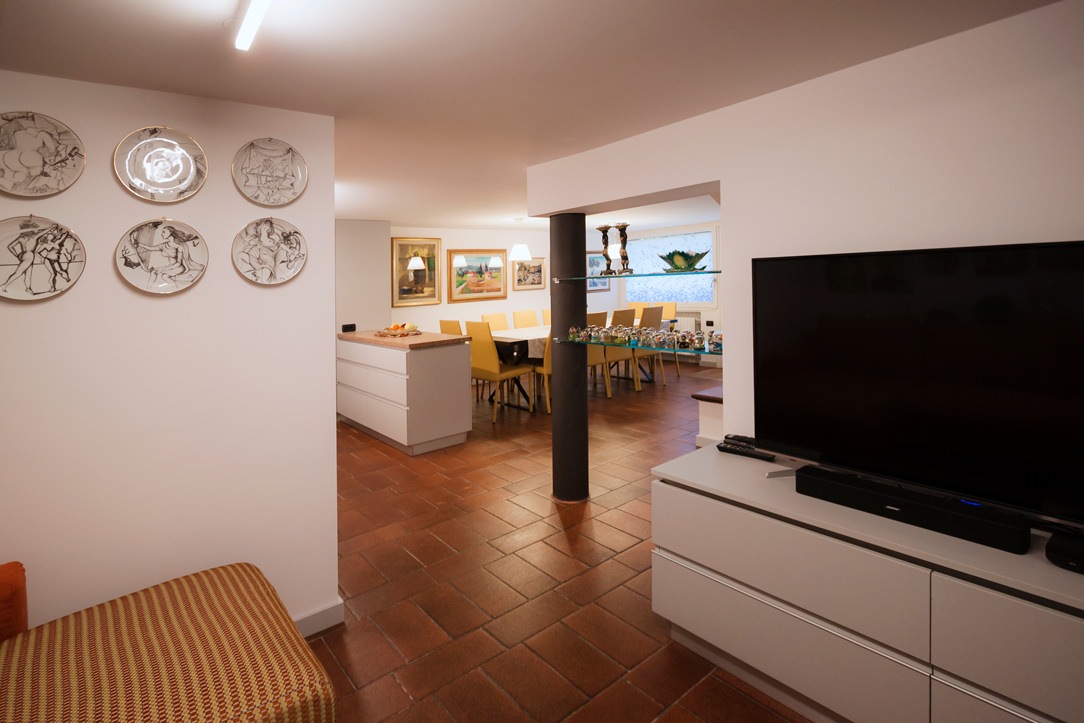
the living area connects to the kitchen, an equipped floor divides them.

FIREPLACE

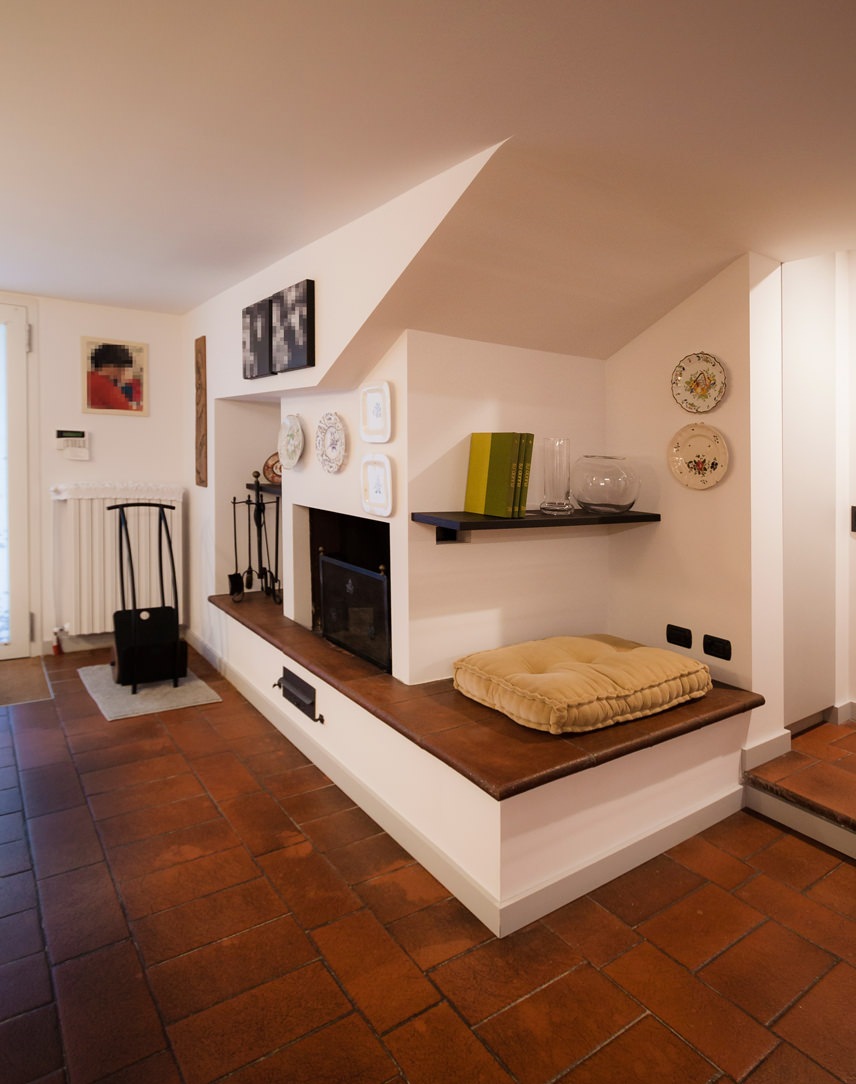
As already mentioned in the article dedicated to Hygge, a fireplace or a wood stove are elements that can best convey warmth and intimacy; usually the fulcrum of the environment in which they are located are the perfect places to spend time chatting with loved ones and a hot tea or a good glass of wine in your hands. In the case of this renovated tavern in a contemporary style, a large fireplace becomes the focal point of the entire living area. It also acts as a connecting element between the living area of the apartment, located on the ground floor, and the exit to the courtyard. The terracotta floor take up the choice of keeps the materials of the rest of the house. This also covers the raised base, becoming both a seat and a support surface according to the different depths. A large cushion makes it even more comfortable to use, welcoming a comfortable reading corner.

fireplace e higgelig

THE DINING AREA

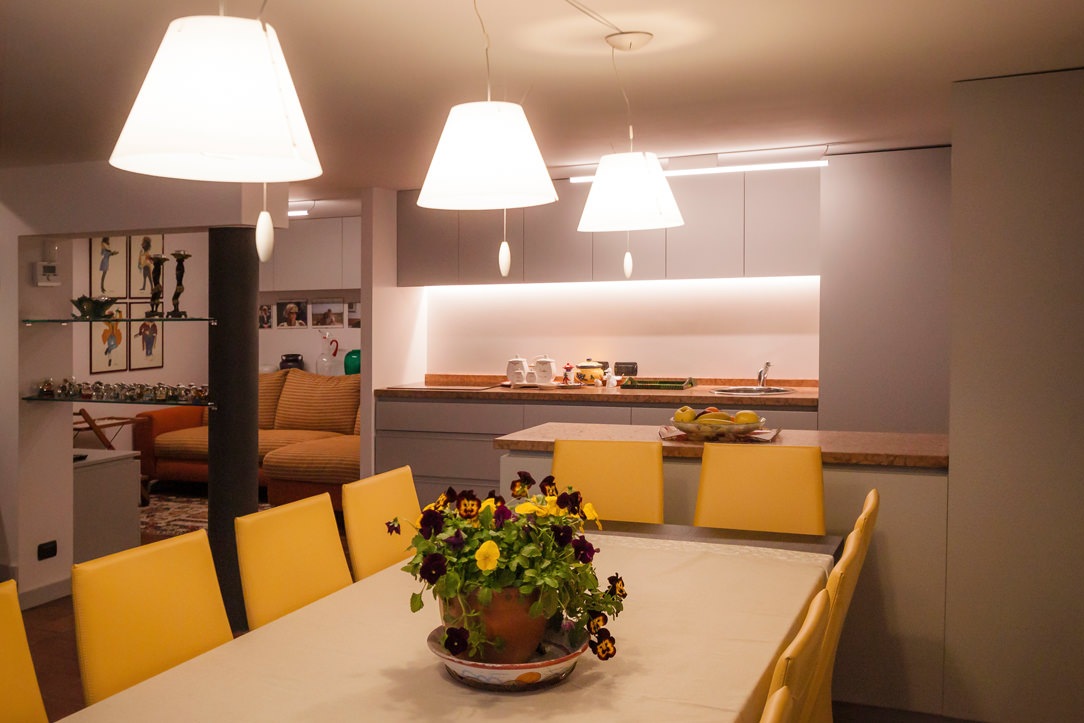
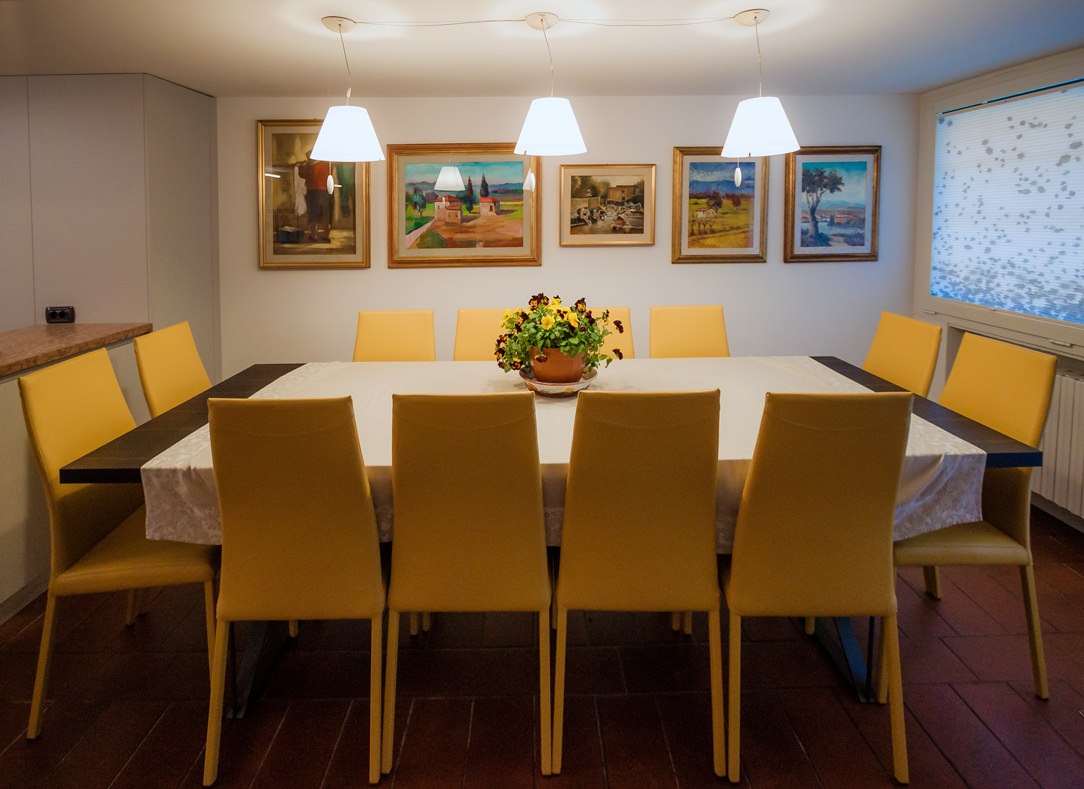
In front of the fireplace there is a large heat-treated oak table with warm veins and a simple and linear aesthetic structure (which we also find in this creation), with a light base in anthracite painted iron. Surrounded by lovely mustard-colored armchairs, it is able to liven up the environment and ready to accommodate up to 12 diners. To emphasize the warmth and intimacy of this environment, three pendant lamps mark a visual rhythm with their diffused and soft light. The new lampshade in a pure opal white amplifies the general brightness of the environment.

table lights in the living area
detail of the armchairs
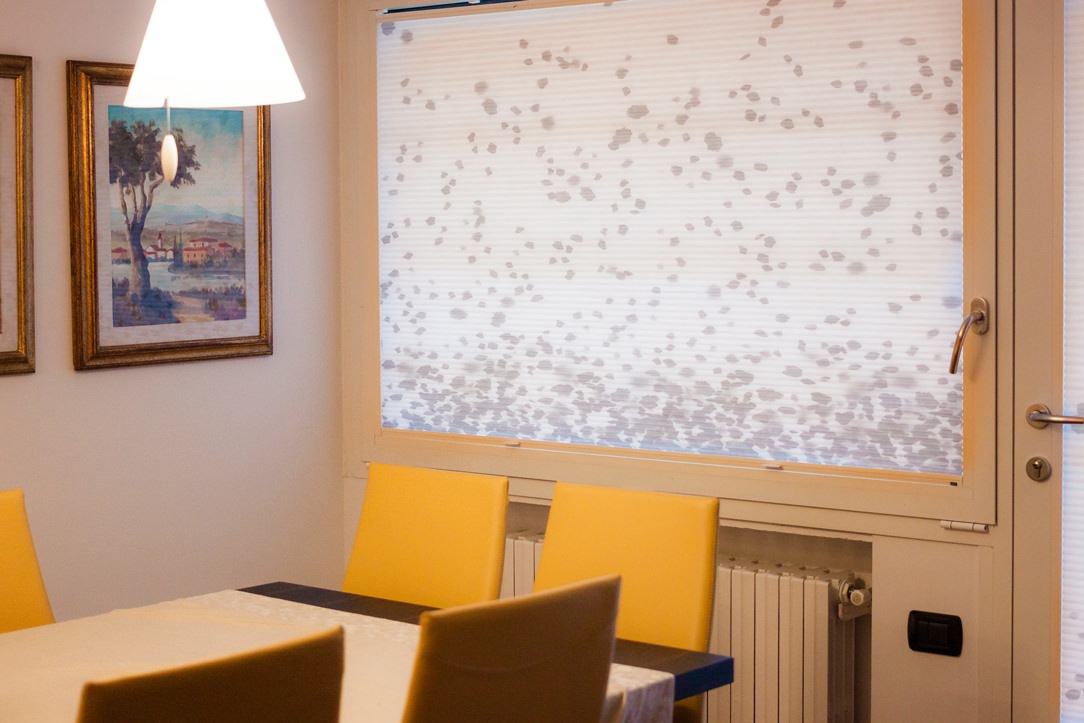
drapery detail

Details of the mustard eco-leather armchairs and double venetian blinds with gray “drop” decoration downwards.

THE KITCHEN

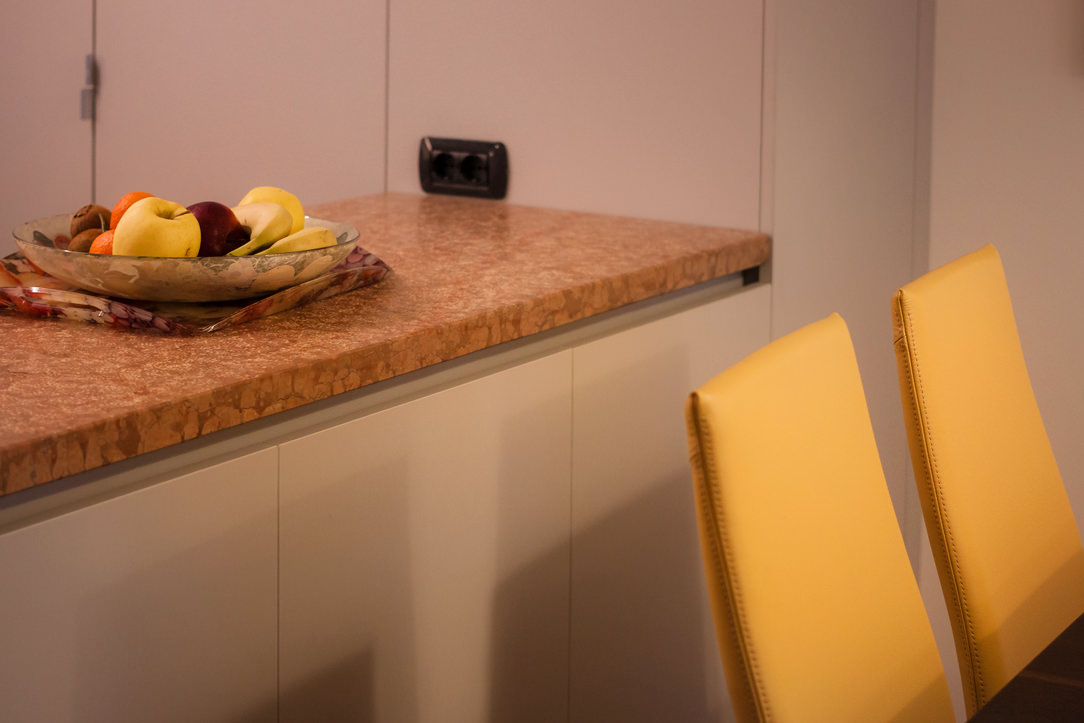
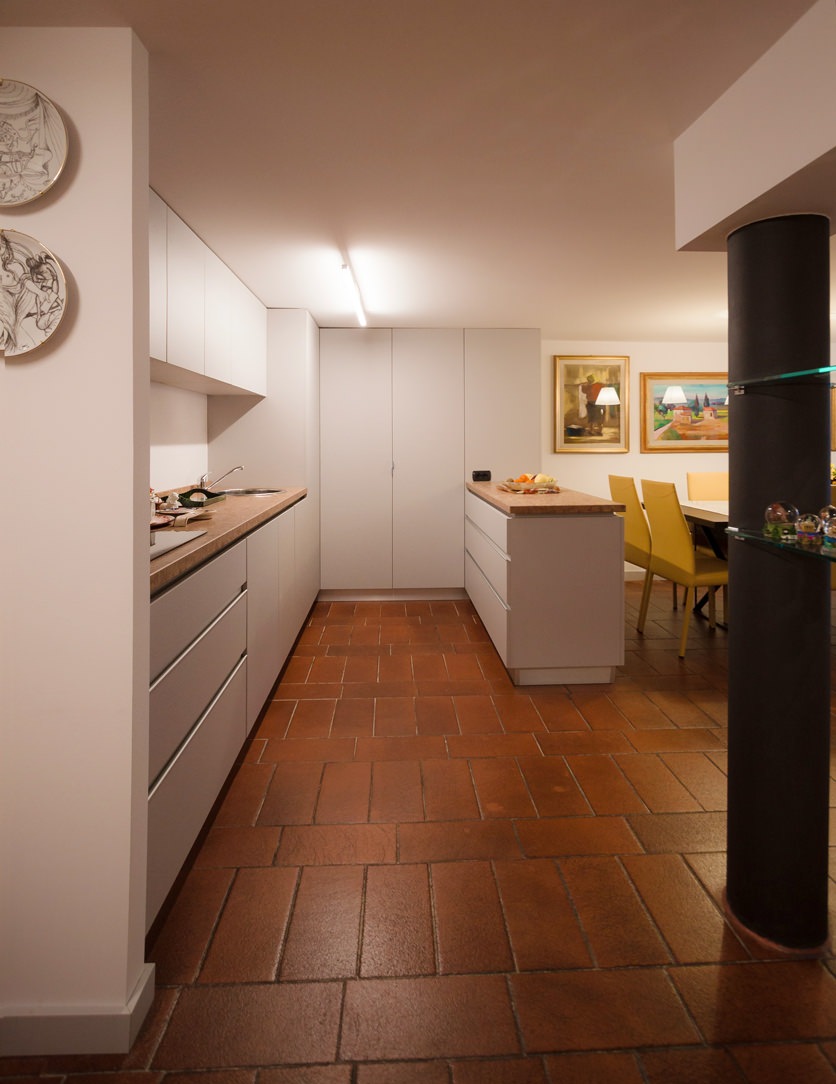
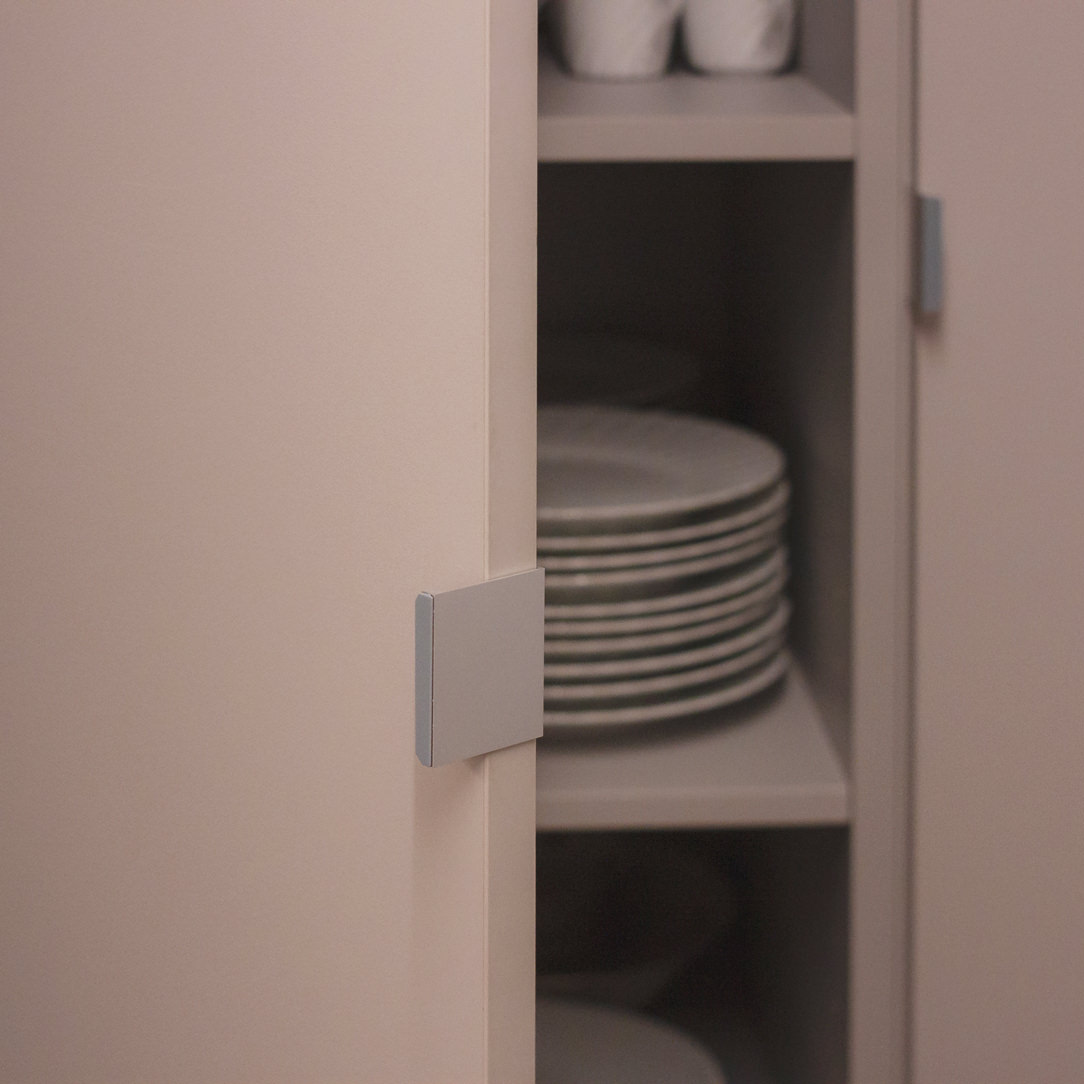
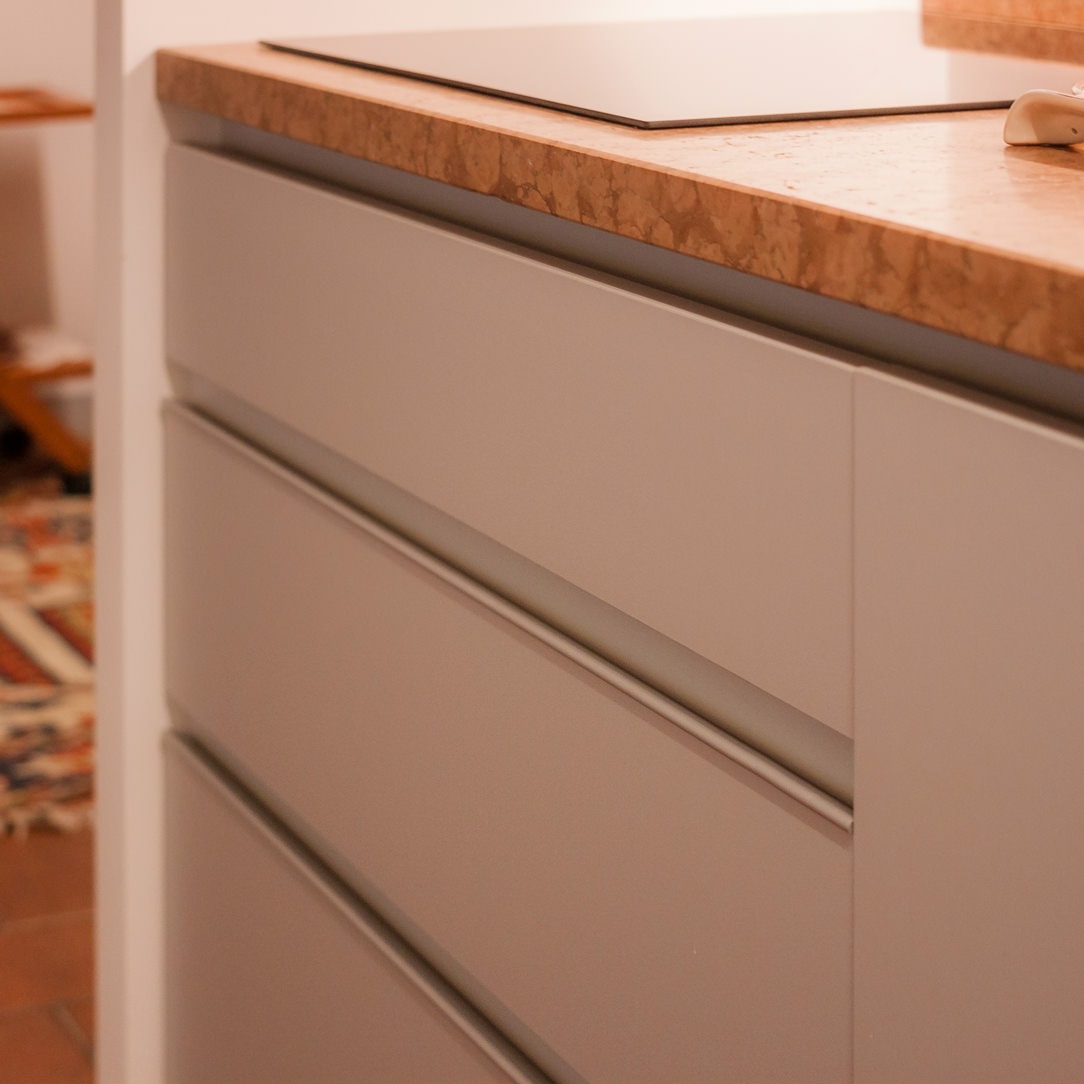
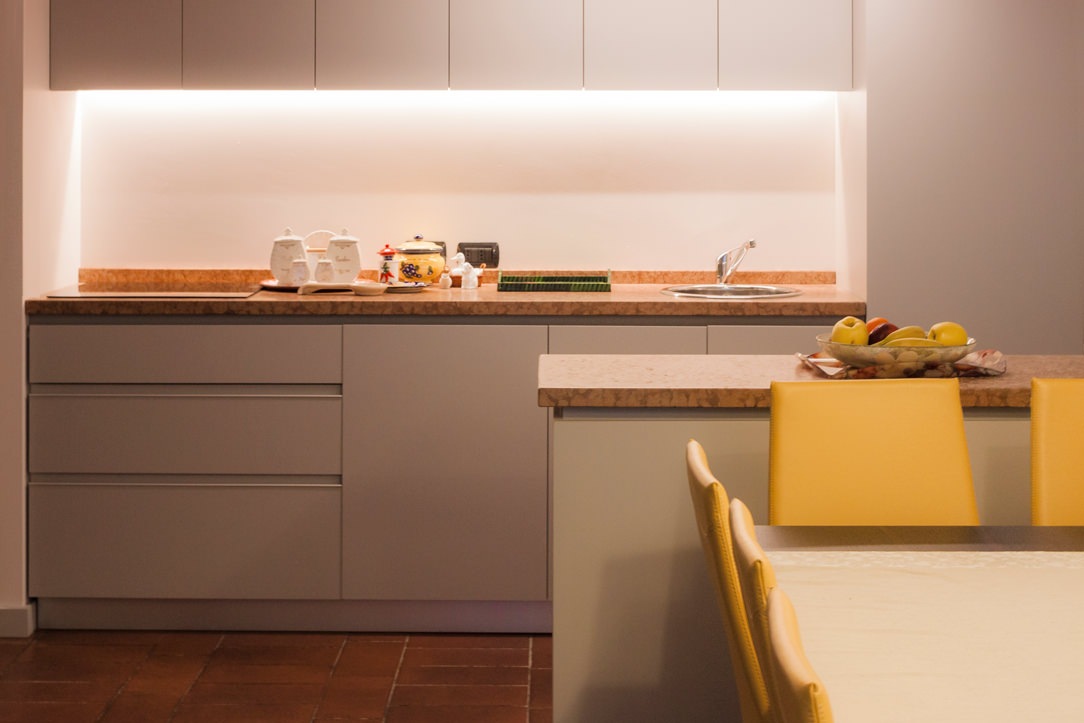
The kitchen changes position compared to the original plan and is an extension of the living area, facing the dining table with an equipped worktop, which can also act as a support surface. The floors, recovered from the originals in Rosso Verona marble, very distinctive and decisive, blend well with the terracotta floor. To stand out and at the same time make the marble more sober and elegant, the furnishings of the entire kitchen, as well as that of the entire tavern, are in a light gray with cold tones. The handles are invisible for the wall units, shaped to measure for the tall unit in the center while, as regards the base of the wall units, reinforced with an aluminum profile matching the color of the lacquering.

lateral kitchen
handles details
handles details
kitchen snack

The kitchen with its colors and the details of the different handles.

THE RELAXATION LIVING ROOM

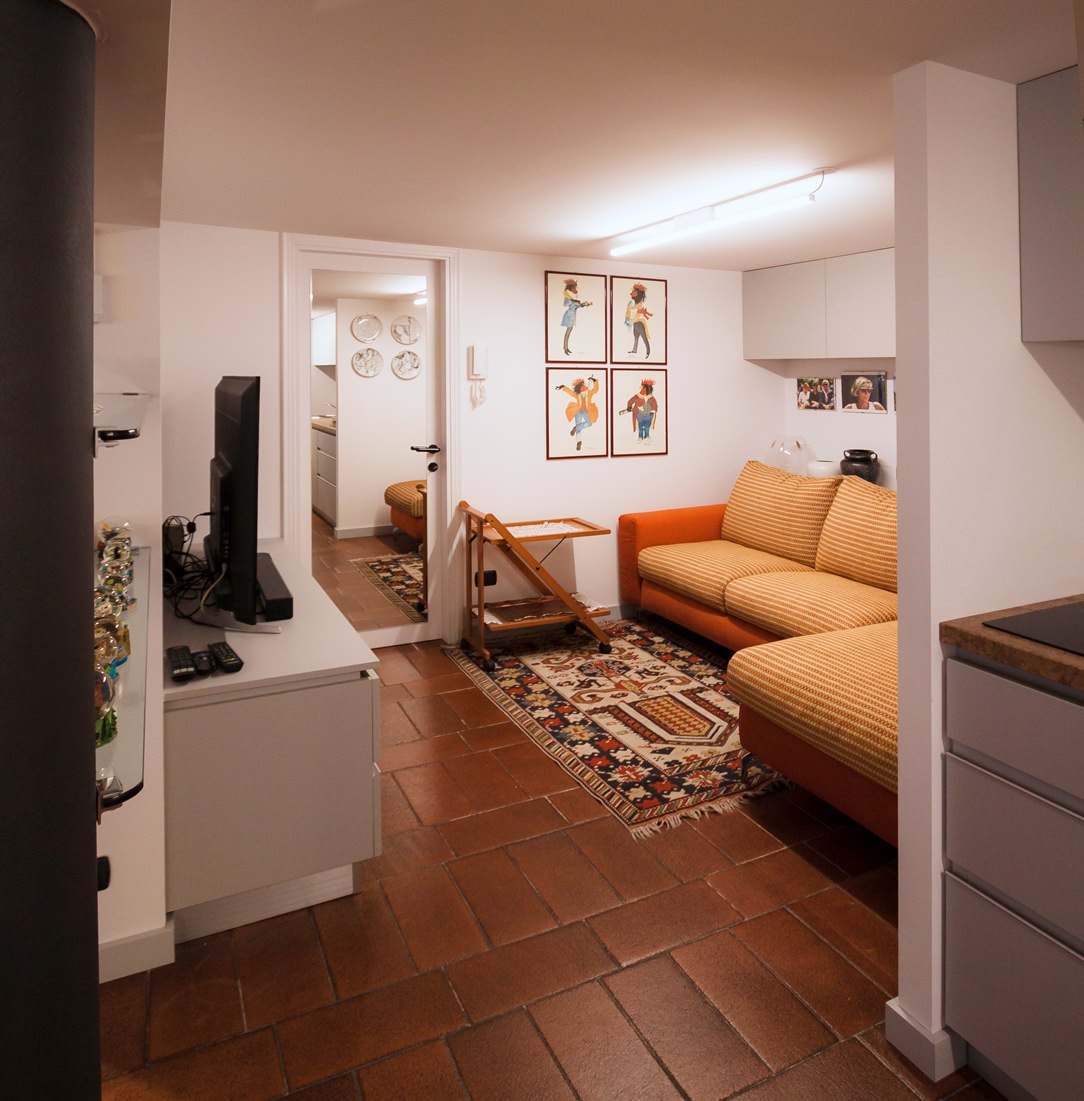
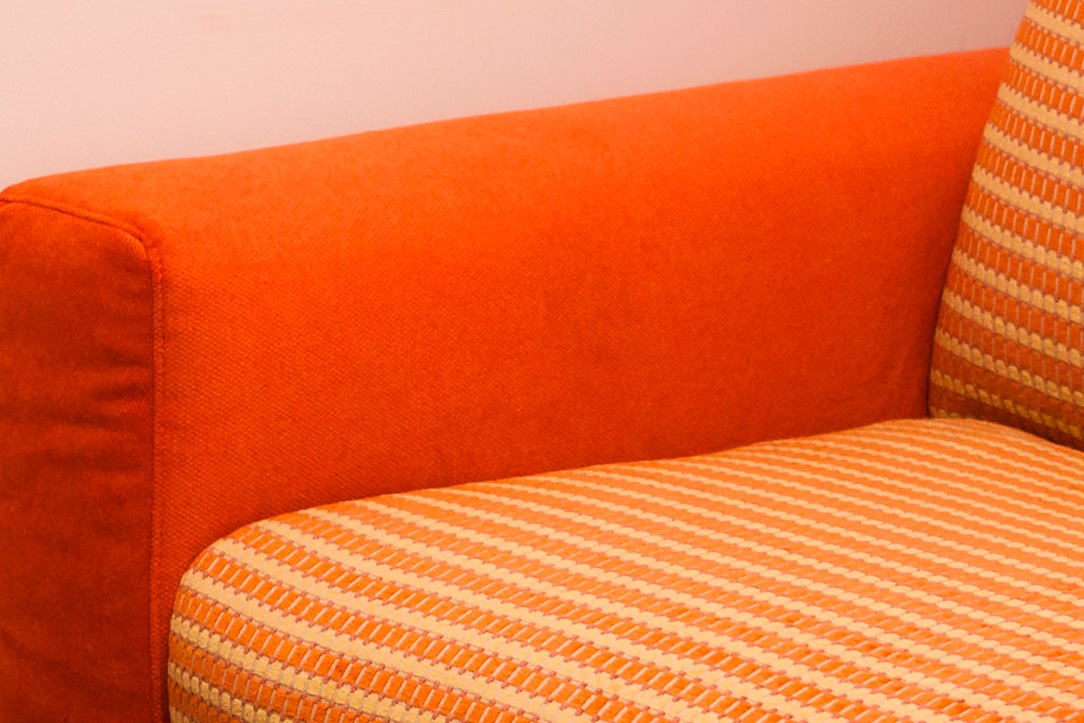
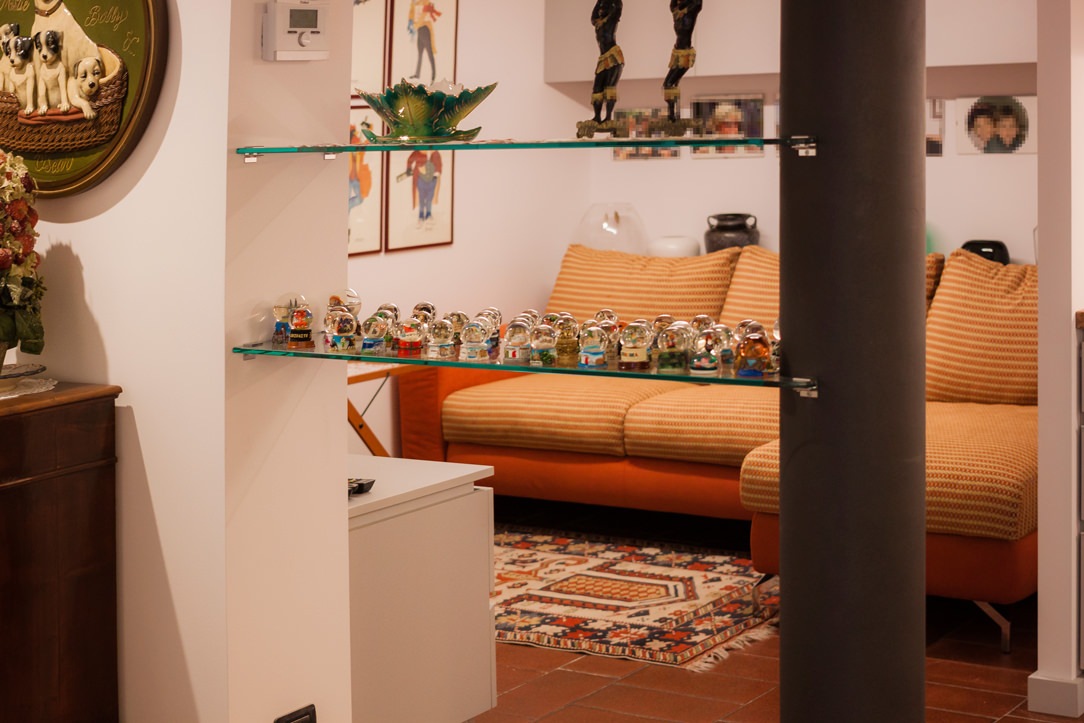
In the same finish as the kitchen, to maintain stylistic continuity, the TV cabinet in the relaxation lounge has also been lacquered, which is positioned in the most intimate and hidden part of the tavern. Reupholstered with a bright orange fabric, the sofa features cushions and backrests with refined pandance textures. The living room can be glimpsed at the entrance to the tavern, on the left, through glass shelves that cross the space to arrive, shaped, at the supporting column, painted anthracite like the legs of the dining table.

living room relax
textile details
zona relax
tv cabinet

THE FURNISHINGS OF THE TAVERN AT THE CONCLUSION

Furnishing the tavern means knowing how to convey sensations such as the sense of warmth, well-being and intimacy. It is important to develop the main elements in stylistic harmony with each other and in line with the rest of the apartment. If a tavern is dated and is left as such for too long, it risks losing its charm and becoming a second home cellar, in which stored unused objects.

tavern entrance

HYGGE : THE DANISH WAY TO HAPPINESS

HYGGE : THE DANISH WAY TO HAPPINESS

To have Hygge at home it is necessary to give it that sense of warmth, well-being and intimacy that perhaps it lacks. It is well established that living better in the home environment not only makes us feel better but makes us appreciate our daily life more till making us more happy.

intimate Hygge Living room

a warm and welcoming Hygge living room.

WHAT IS HYGGE?

A survey has identified in the Danish people the happiest in the world and in the Hygge its recipe for happiness, which is why it is so fashionable and more and more people try to steal its secrets to obtain a better psychophysical well-being. However, giving a meaning to the Danish term Hygge is not easy, it is linked more to an atmosphere and an experience than something tangible. It is the feeling of being at home, protected from the world and safe, conversing about the big or small things in life with friends or enjoying a cup of hot chocolate alone in total relaxation. Due to their specific social-cultural-economic conditions, the Danes spend 71% of their free time at home, which is why Interior Design is essential to experience the Hiemmehygge, or the Homemade Hygge. But what are the keys to success for having a more Higgelig home?

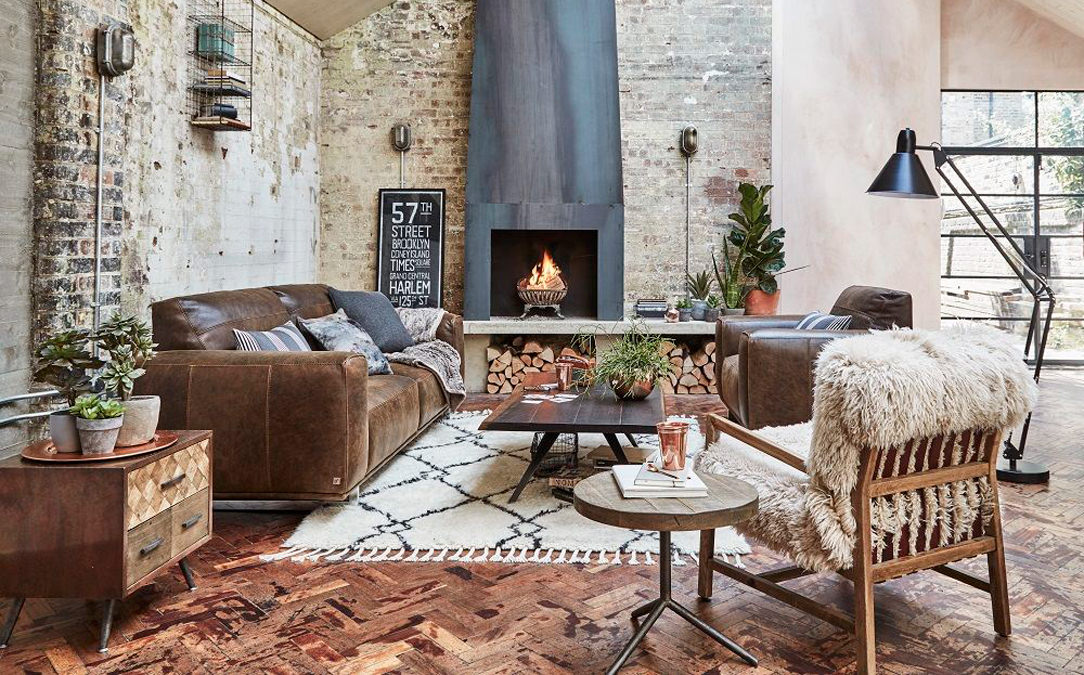
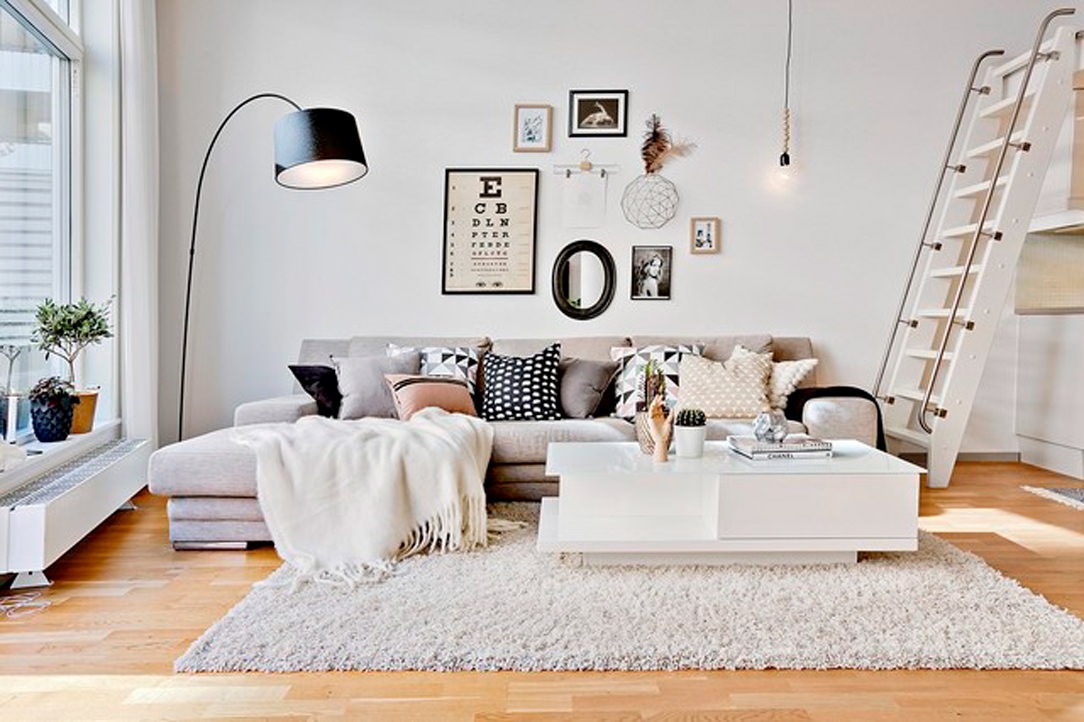
modern Hygge living room
Vintage Hygge living room

two Higgelig living rooms, one more modern and the second more vintage.

WHAT ARE THE FEATURES OF THE HYGGELIG HOME?

LIGHTS

The lights are fundamental in the Hyggelig house, soft and “alive” like those of candles, many and everywhere, together with excellent artificial lighting.
In fact, the Danes have a real obsession with lamps, they choose and strategically place them inside the house.
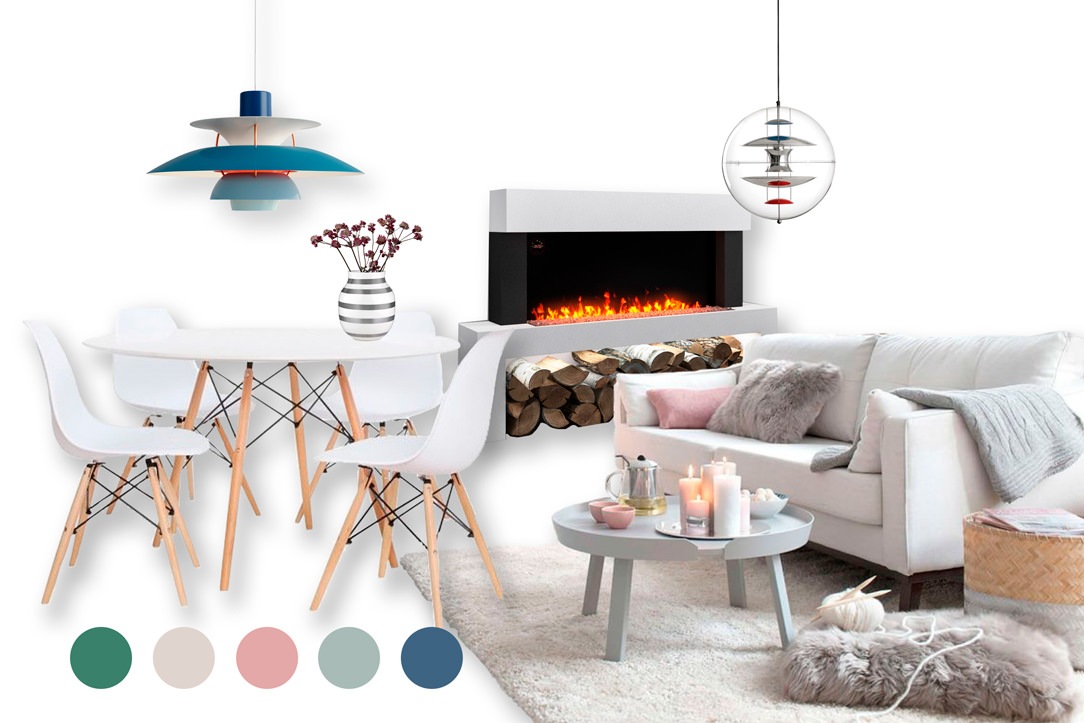
They prefer design lamps, such as the PH lamp by Henningsten or the Panton VP Globe by Verner Panton capable of diffusing a soft light which is however reflected by the structure of the lamp using in combination with bulbs with low and warm voltages, on 1800 K.

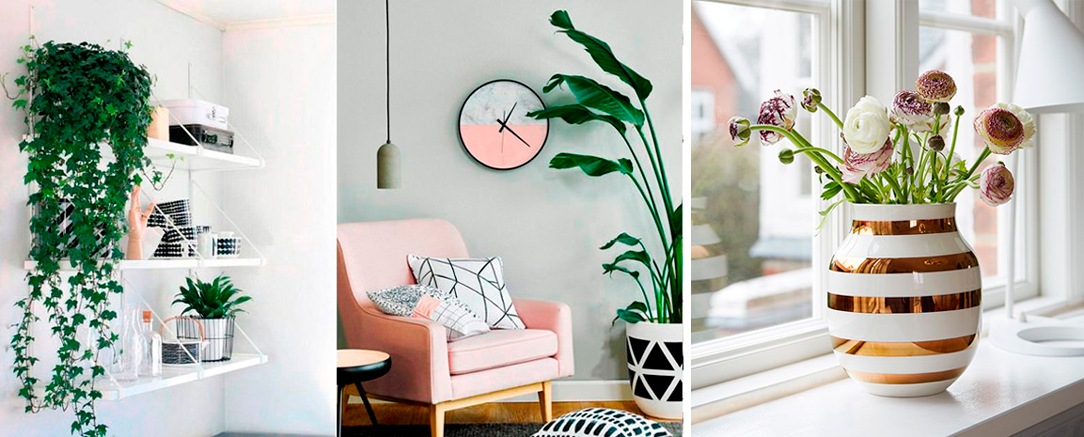
moodboard Hygge style

Moodboard of the Hygge style, from the lights, to the furnishings and colors.

HYGGEKROG

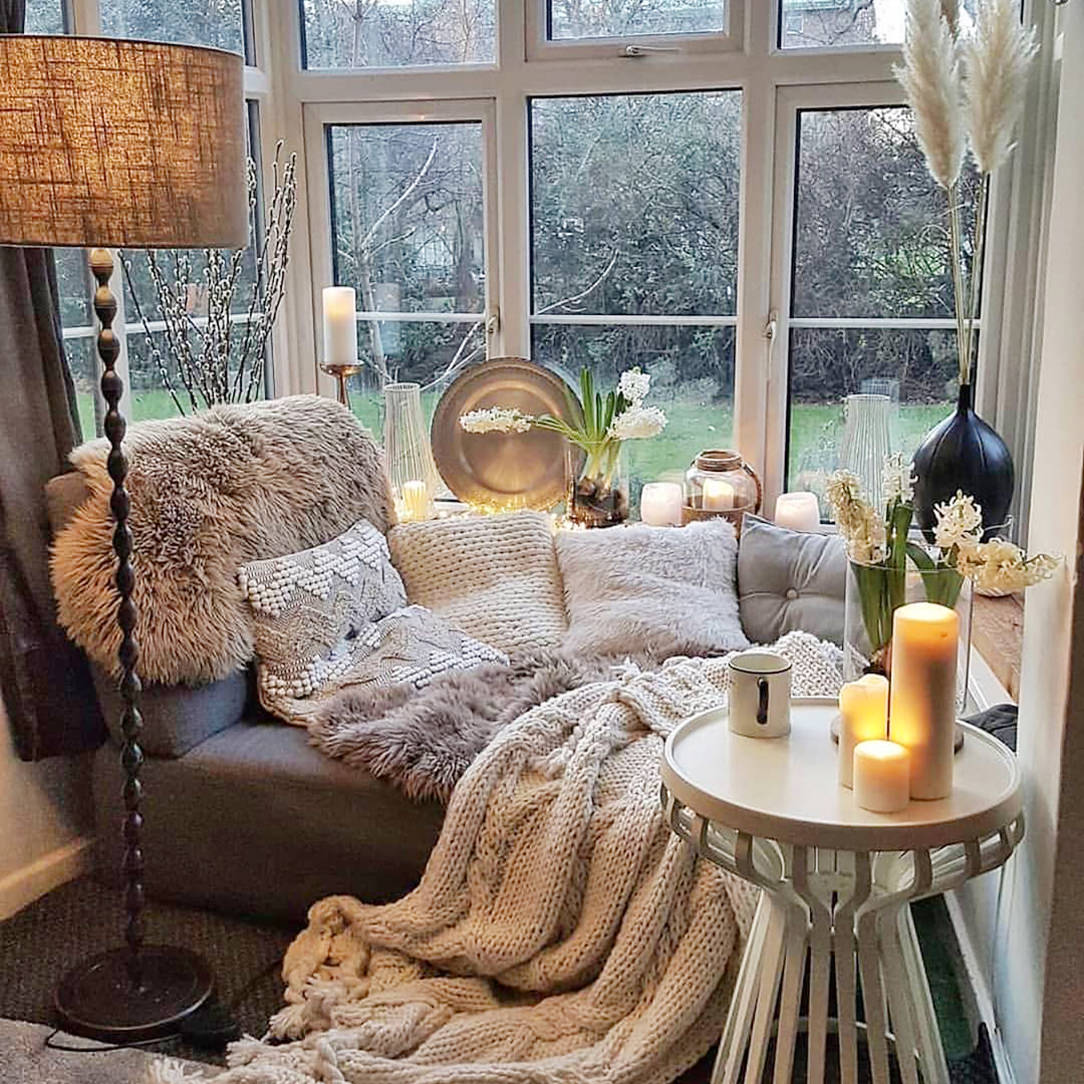
In the Hygge headquarters, that is our home, a Hyggekrog could be the strategic point dedicated to pure relaxation, the area of a room where you like to snuggle under a blanket holding a book and a cup of tea.
It can be near a light source, like a window, or next to a warm place, like a wood-burning fireplace.
This love for confined spaces or real “dens” has been with us since we were children but has an ancestral origin. Sitting in a Hyggekrog makes us feel safe away from any potential threats, allowing us to relax.

dedicated Hyggekrog in wood
Hyggekrog obtained from the side windows.
minimal Hyggekrog

Three different Hyggekrogs: one specially designed to the side of the light source and two instead obtained as window / glazing work, one richer and the other more minimal

FIRE

A fireplace or a wood stove are just as Hyggelig, as well as being a source of warmth and comfort, the sinuous movement of the burning logs relaxes the view and the area around the fireplace becomes convivial, a place to spend time with loved ones and accentuate the intimacy of home life.
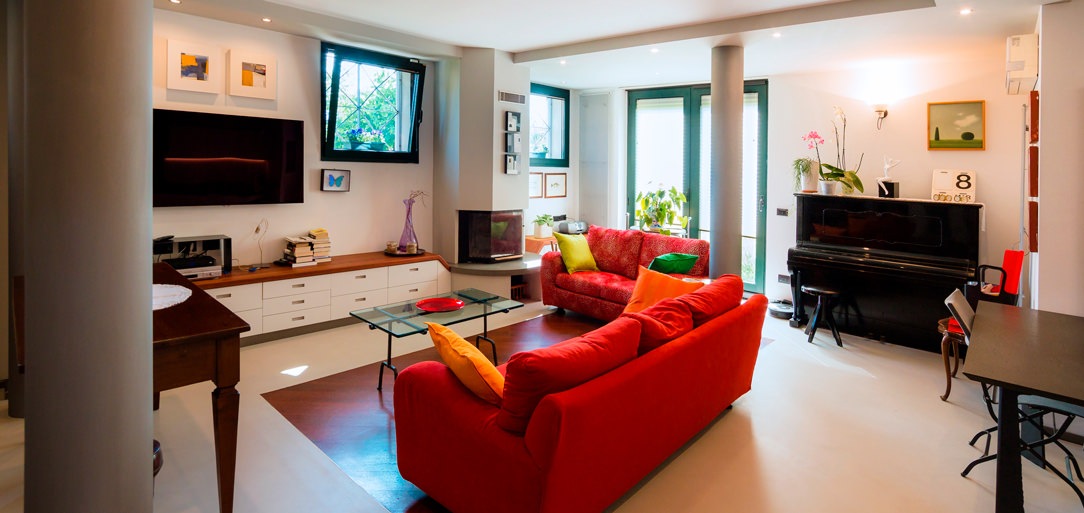
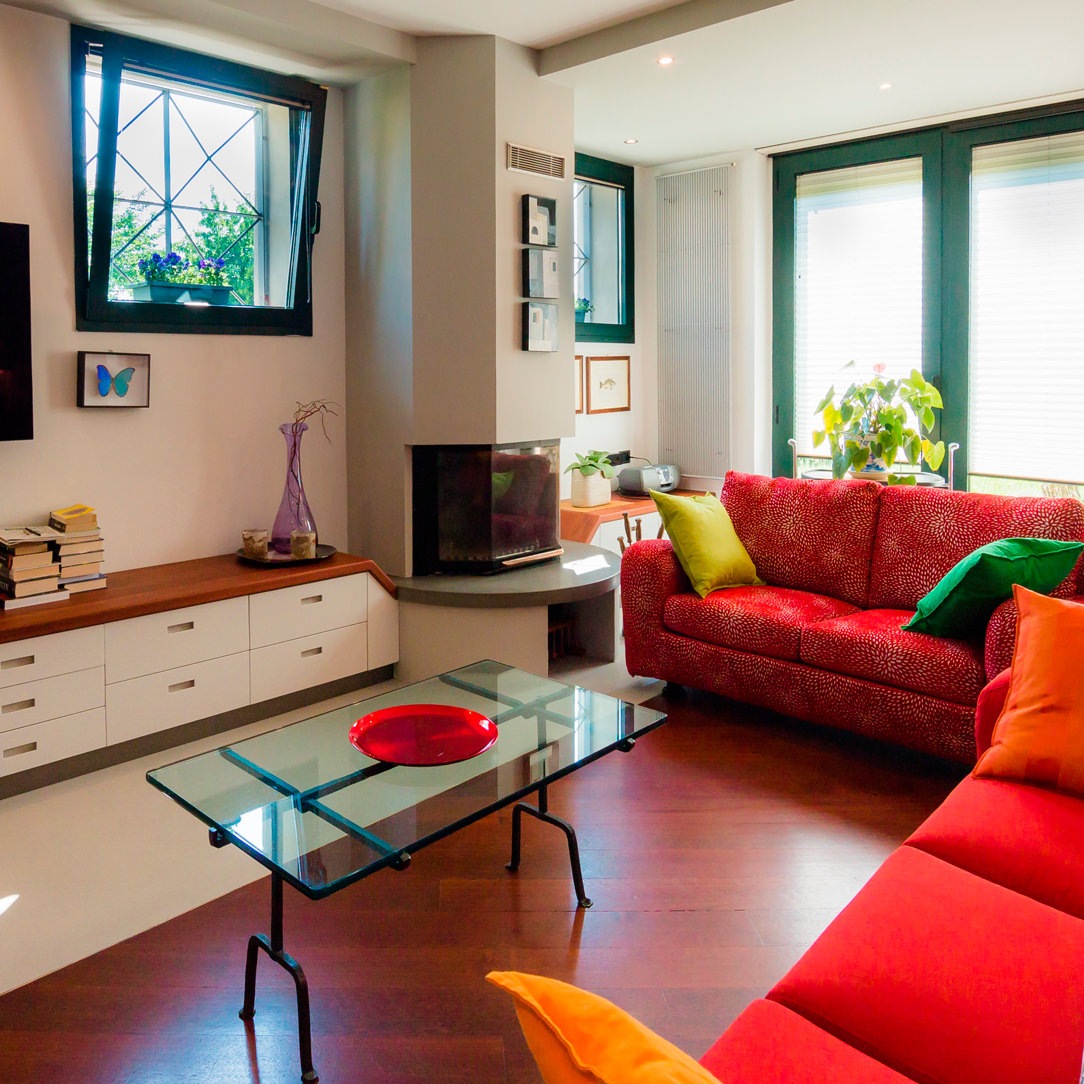
In the large living room of this contemporary-style villa, the sofas look out at an angle to a side wood-burning fireplace that warms the room without becoming the protagonist of the scene.
Moder Hygge Living room
Intimate fireplace corner
Details fireplace and cushions

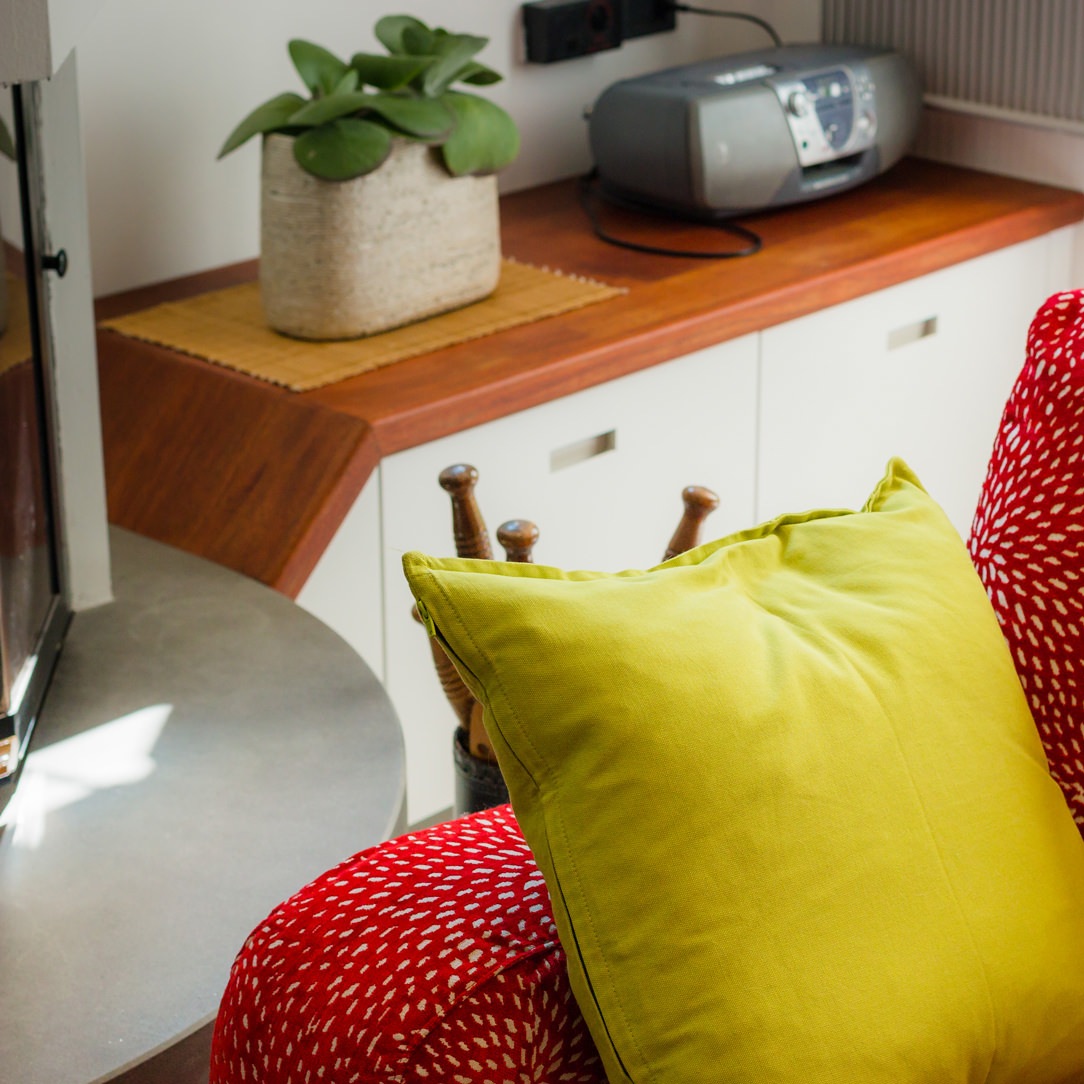
The corner coexists on the side of the fireplace and some finishing details and accessories.
MATERIALS

The main material is wood, in floors, furniture and even in small household items.
Wood makes us feel closer to nature and this is exactly what we want to bring into the house.
In fact, there is also a green corner or just leaves, nuts, twigs, anything that makes us feel in the midst of nature.
Hygge green veranda

The smell of wood and its being a soft and lively material makes it simple and natural, just like the concept of Hygge itself.
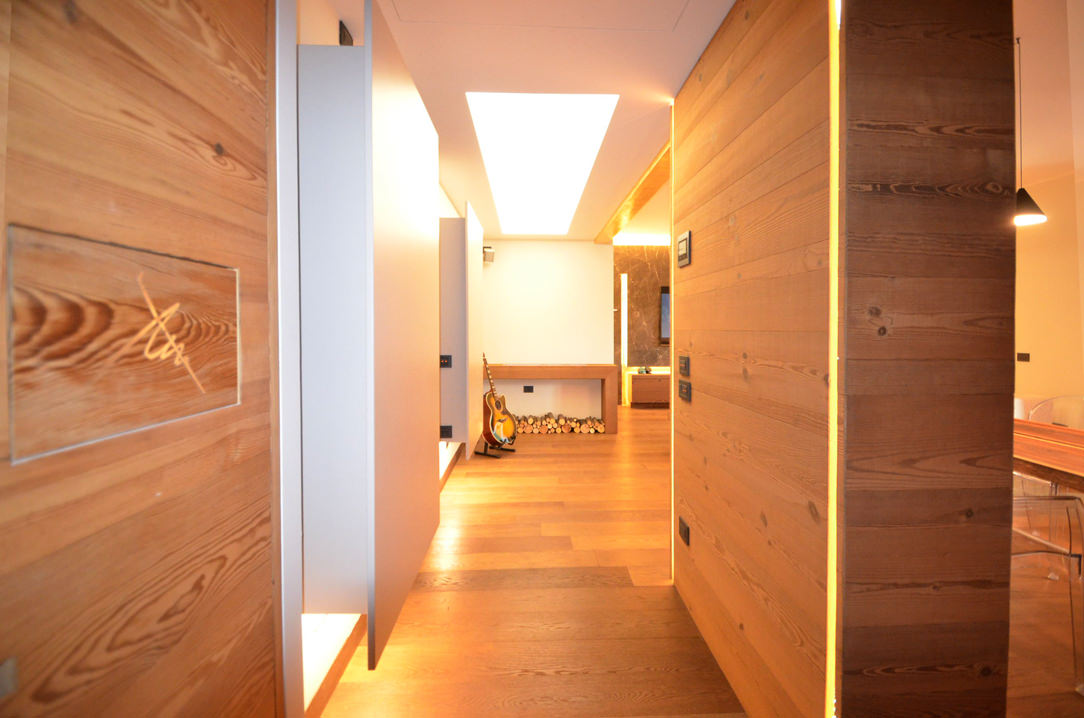
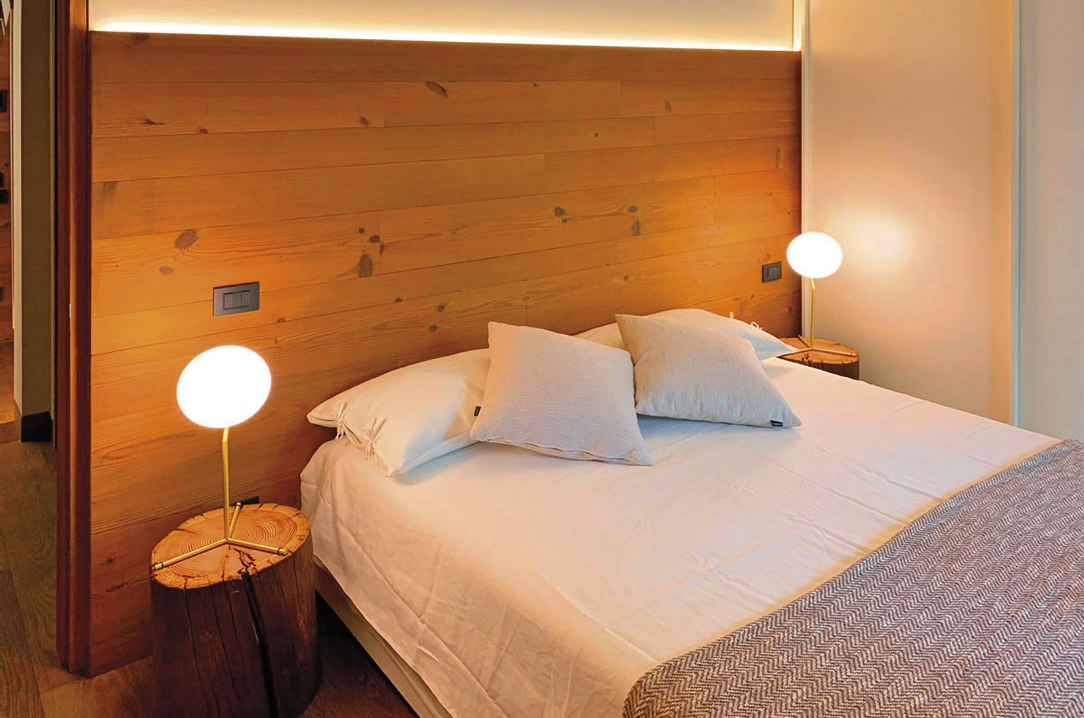
Here a mountain apartment entirely covered with a splendid heat-treated and natural brushed larch.

living room in larch wood
corridor with high wooden paneling
cozy bedroom

Tall wooden boiserie are accompanied by a modern fireplace and other wooden elements such as the kitchen table and the backrests and bedside tables in the sleeping area.

BOOKS

If you think about relaxation and intimacy, you also think about the pleasure of reading, if the house is Hygge there will be shelves full of voluminous books. All books are in fact Hyggelige, but the classics written by authors such as Jane Austen, Charlotte Brontë or Charles Dickens must occupy a special place among the shelves.

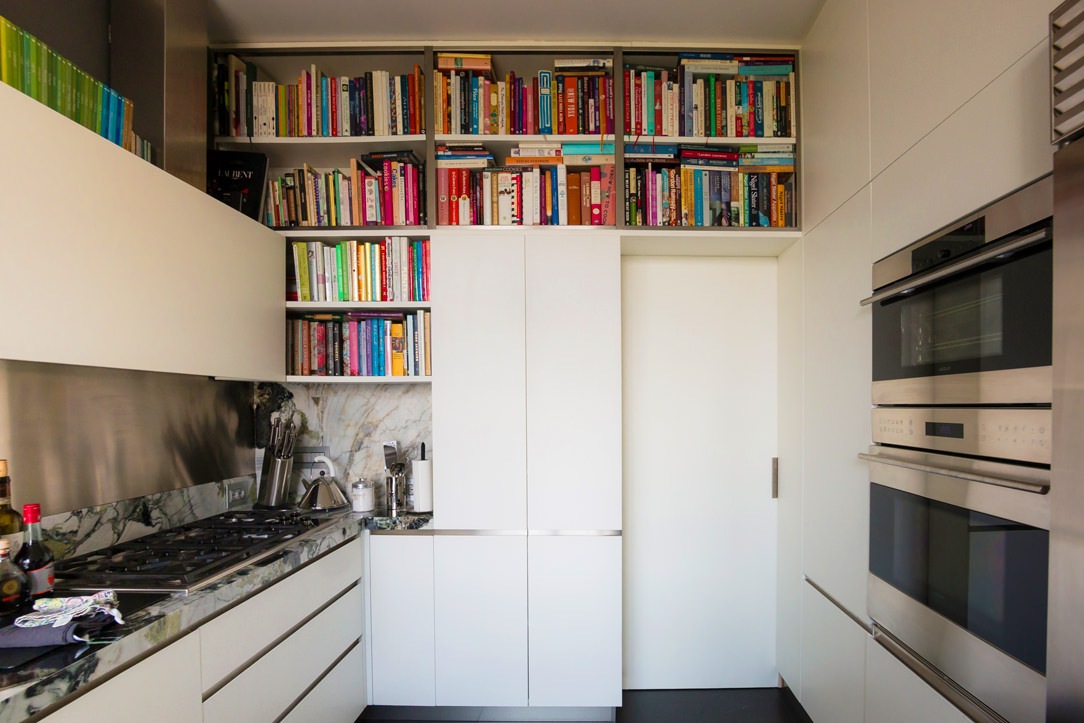
In this modern Milanese kitchen we could define this space dedicated to cookbooks very Higgelig, folders overlap each other but remain available to experience a different form of relaxation, the peace and gratification of well cooking.
If Hygge were a person, its could be a cook, who approaches life by understanding the value of a good meal in pleasant company.

Kitchen and books Higgelig

Books crowd this small corner dedicated to good food.

THINK OF TOUCH

As initially specified, Hygge is an experience that involves all our senses, including touch. In fact, the materials that inspire positive sensations when touched are also very important, a soft wool or even a hot ceramic cup.

Small colorful accessories, such as the famous Kähler vases, cups, blankets and pillows must not be missing.

Home with ceramics and green
pillows and blankets Hygge

Here are houses with blankets, soft pillows and ceramics./p>

THE BEST PERIOD TO PRACTICE THE HYGGE

The best time of the year to enjoy Hygge is about to begin: when the first cold arrives, winter is coming and the days are getting shorter, you feel the need to stay at home more.
This is the right time to prepare your “Home Sweet Home” to be warm and welcoming in the coldest season of the year.

What to do after having furnished it? A nice supply of warm sweaters and socks to put on and a nice playlist of songs to listen to while lying on the sofa.

Furthermore, a nice selection of films ready to be seen or a photo album to bring back old and pleasant memories cannot be missing. And above all… lots of sweets, a nice glass of wine, herbal teas and hot chocolates to be enjoyed in peace near your own home.

Enjoy Hygge everyone!!

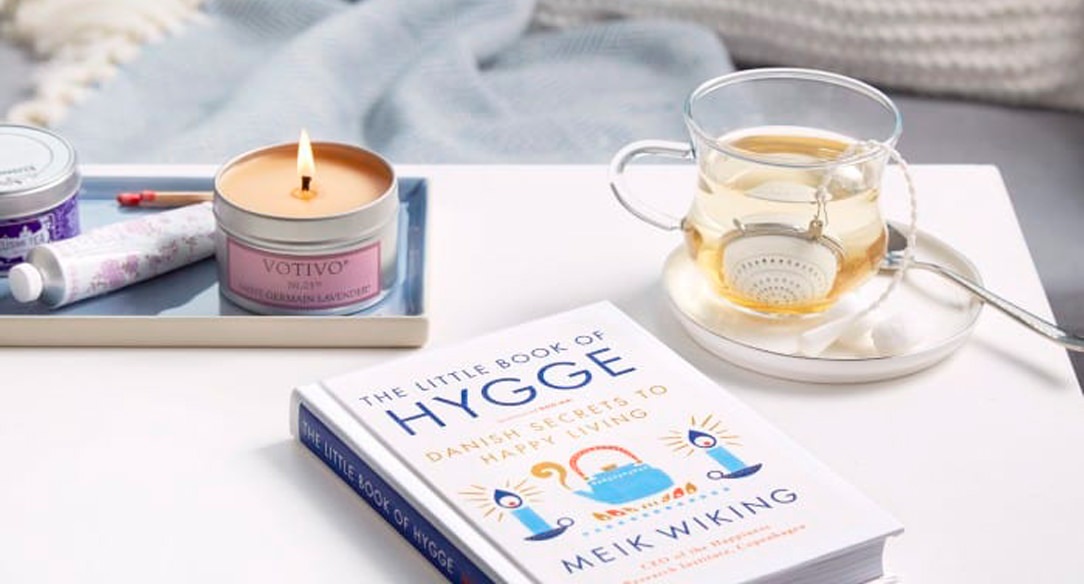
Hygge book and tea

Renewed classic furniture with contemporary kitchen

Renewed classic furniture with contemporary kitchen

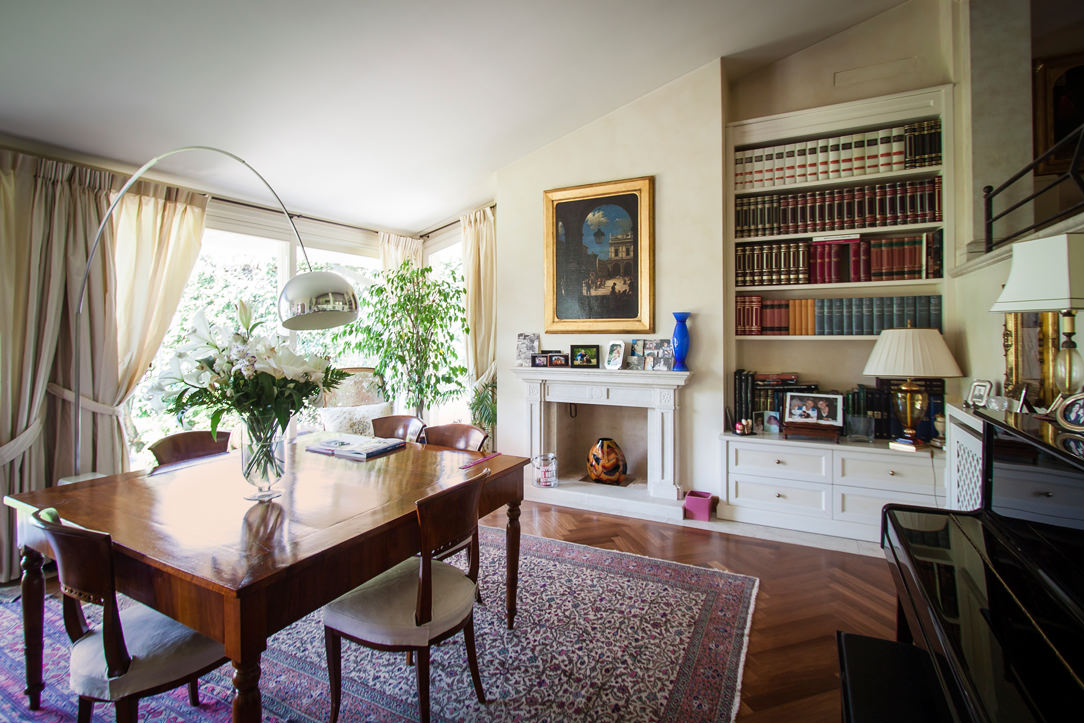
The classic style furnishings of this villa built about thirty years ago rediscovers its eternal charm even after many years.
To rejuvenate it and make it current, a contemporary style kitchen with essential lines has been added. The harmonious combination of the two styles refreshes the rooms and softens the features of the predominant style.

classic living room

Classical furniture between past and present

The passage of time and the succession of different historical periods has allowed a wide development of furnishing styles. Over the course of history these have known their maximum expression with distinct characters, while in the contemporary era they have been reinterpreted, giving life to continuously updated variants.

This house, built between the late eighties and early nineties, responds to a classic style at the time very popular among villas and elegant apartments. Revived today, it discovers its contemporary meaning with an elegant kitchen with essential lines. The warm tones of the lacquers soften the design lines of these interiors, in perfect harmony with contemporary trends.

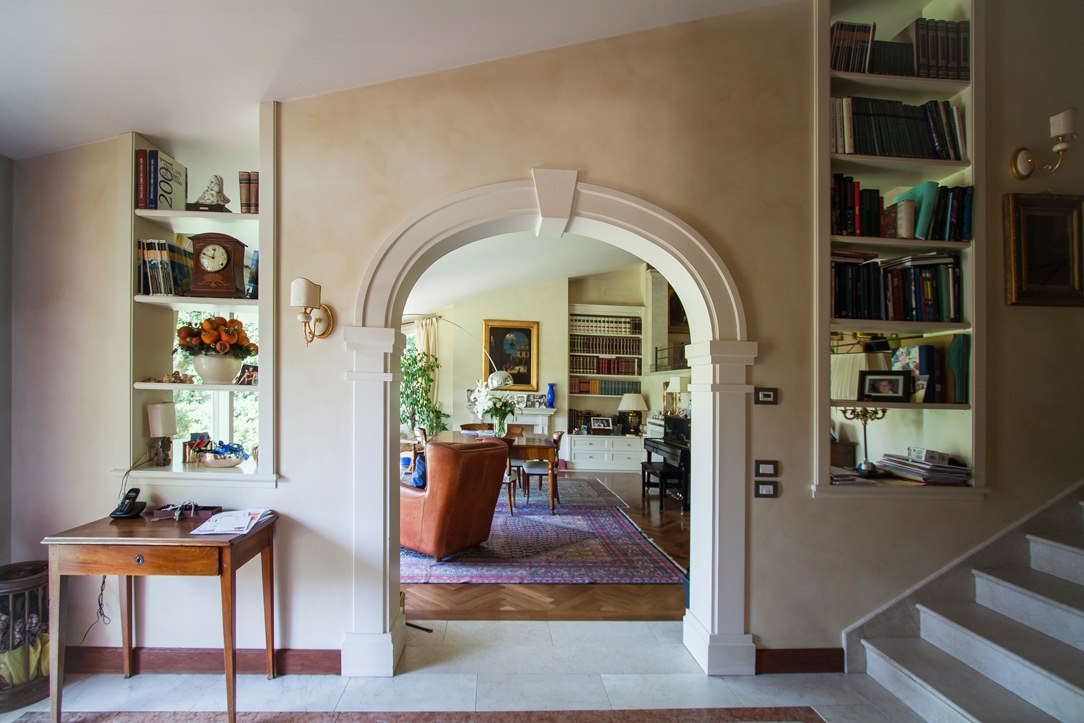
entrance passage with classic arch
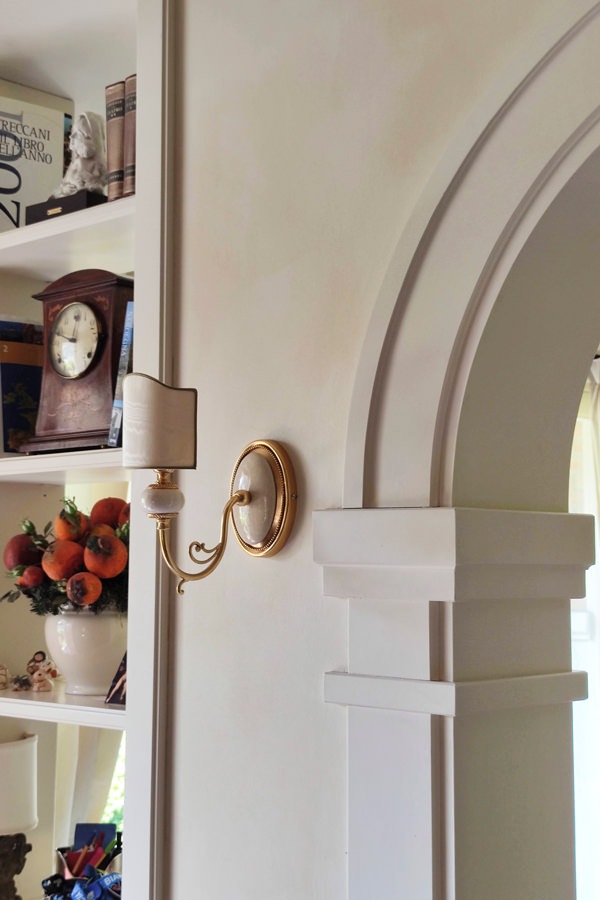
classic style entrance details arch moldings
detail of the villa entrance light blades

The living area in classic style

The classic furnishings already develop in the entrance area with moldings that emphasize the architectural lines of this villa.
On the left, an arch with shaped profiles marks the entrance to the living area, flanked by a pair of blades of light that allow a glimpse of the large interior living room.
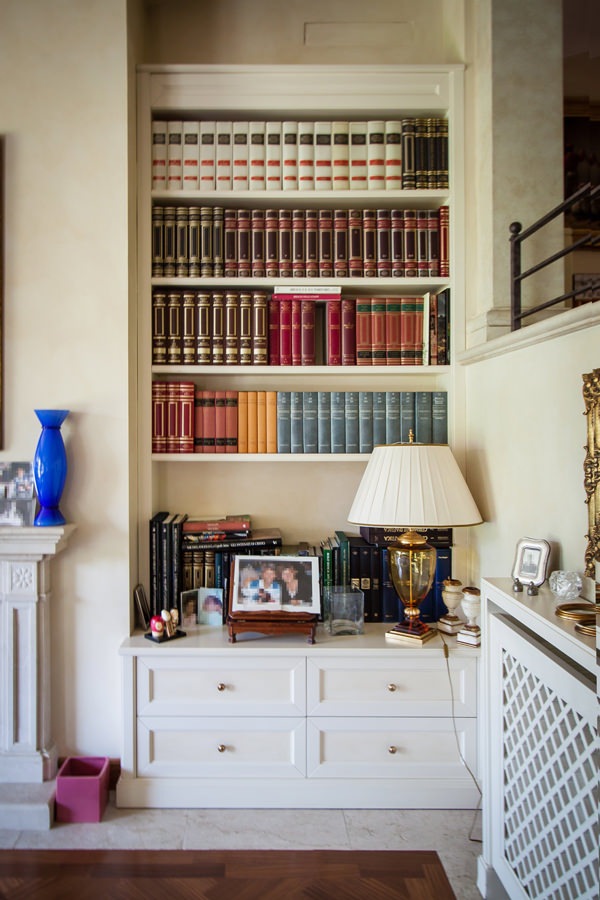
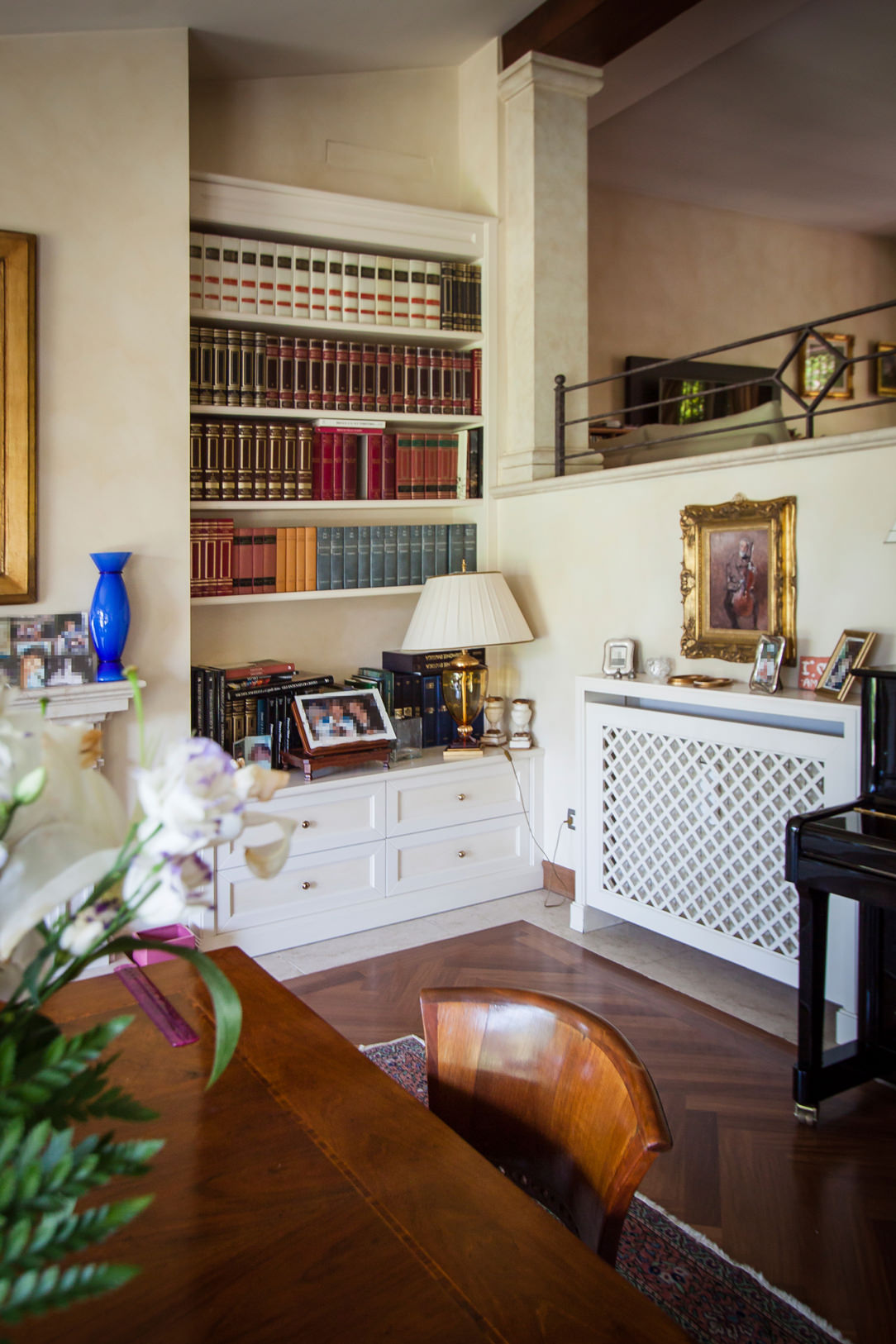
The profile of the internal shelves, slightly recessed, is a shrewdness that makes the aesthetic impact of the element lighter, recalling the characteristics of the classic style.
The painting of the walls in a warm slightly cloudy tone acts as a leitmotif in the different rooms, enhancing the light furnishings.

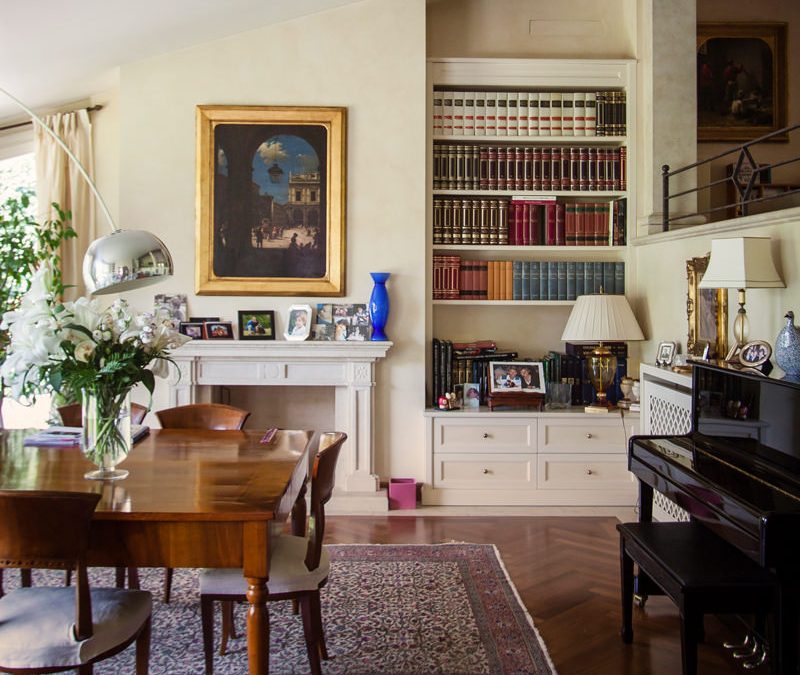
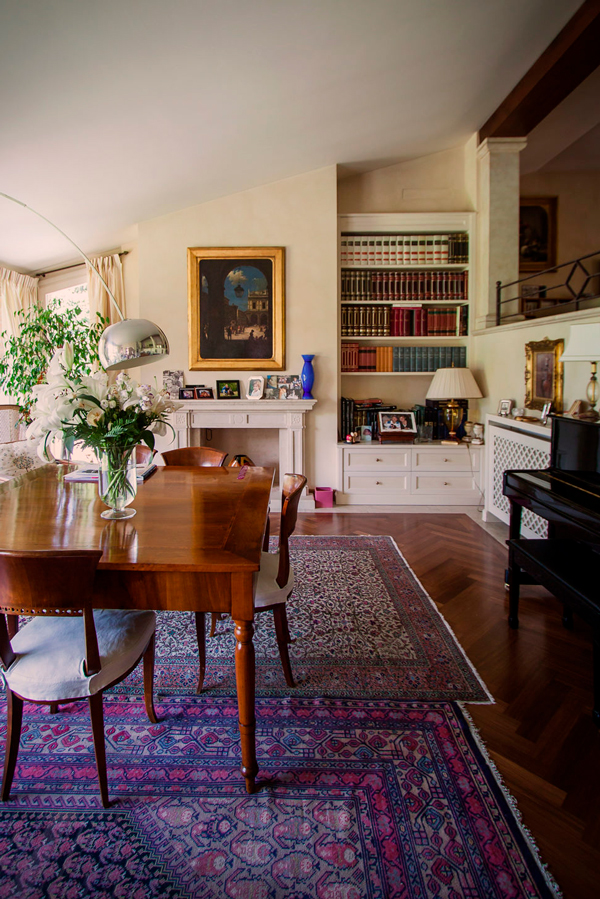
The living room has a central solid wood main table matched with other antiques that give elegance and prestige.
Among these, the large damask carpet, the adjacent wall piano and the Arco lamp by Castiglioni, a timeless design icon.
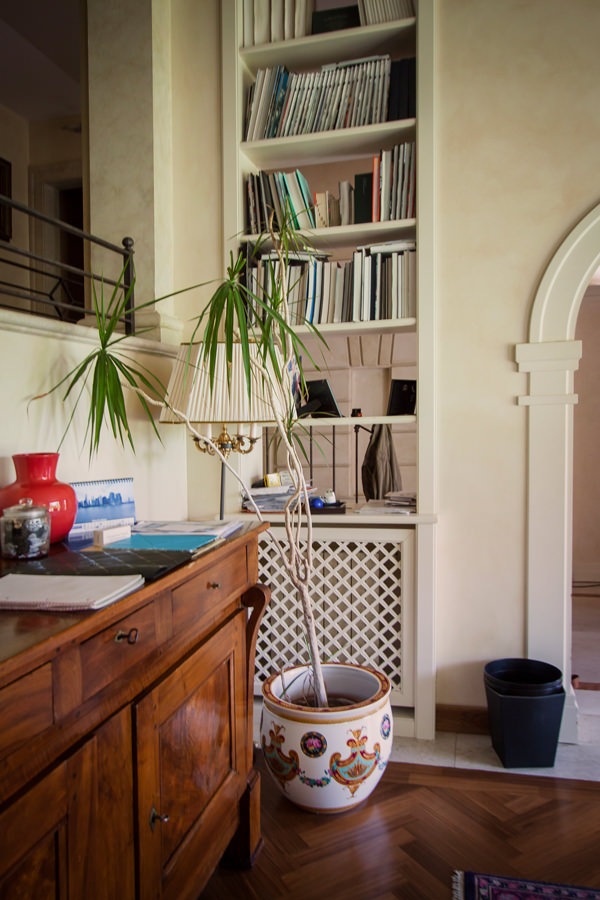
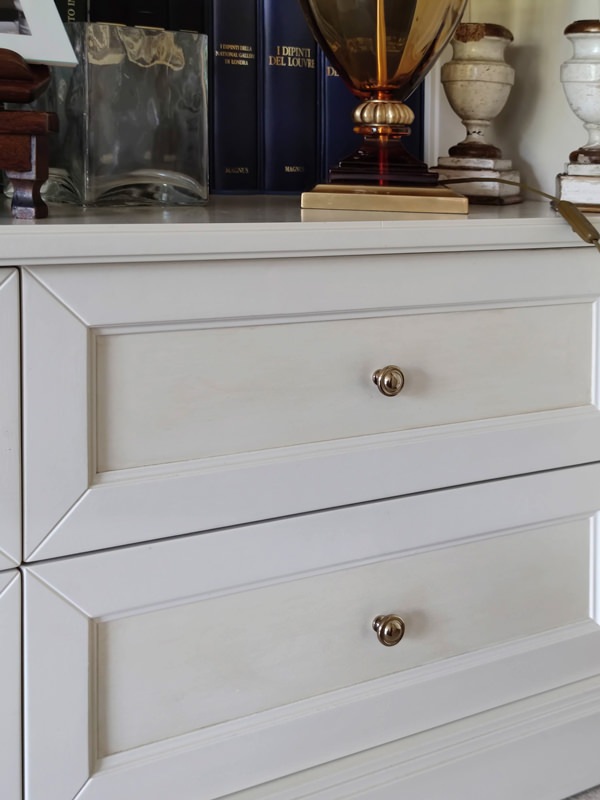
Low cabinets, honeycomb radiator covers and niche bookcases with recurring aesthetic characteristics accompany them. Moldings, doors decorated with tone-on-tone knockouts and brass knobs are in perfect classic style.
The chosen color of a light cream makes the interiors elegant, softening their features.

bookcase in niche details classic furnishings in the living area
details equipped windows bookshelves wooden furniture
classic style living room wood table
living room furniture classic niche bookcase
front molded drawers in classic style, tone-on-tone
bookcase niche living room classic furniture shelves

From the equipped corridors to the sleeping area

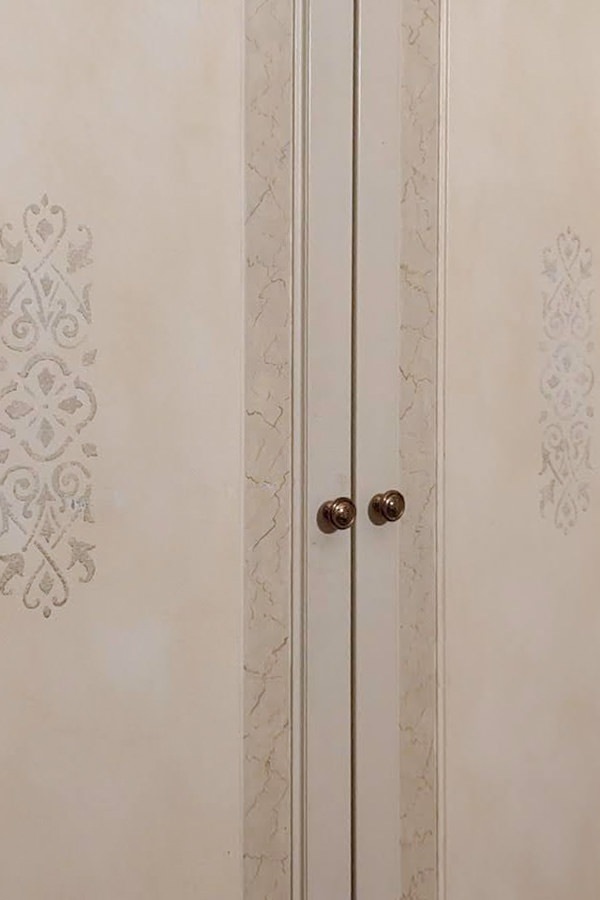
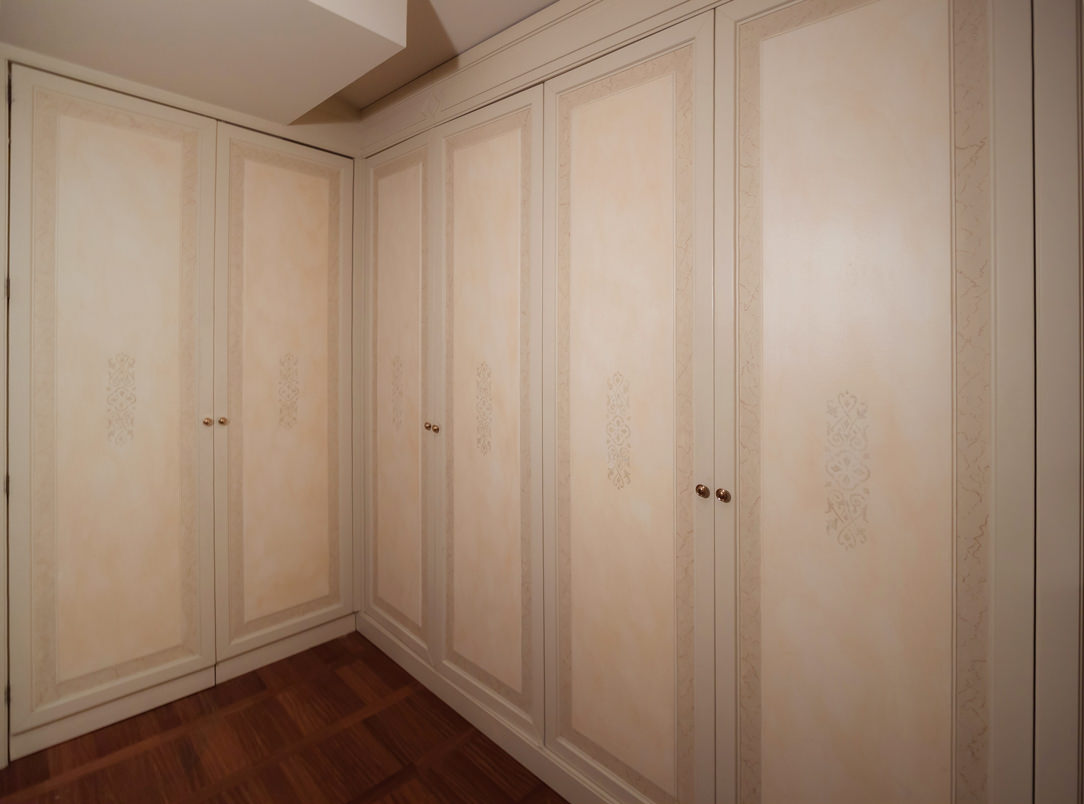
To anticipate the sleeping area, the corridors and passageways are equipped with full-height service wardrobes. These reproduce the characterizing lines of classic style furnishings, enriched with decorative floral motifs in a slight chromatic contrast.
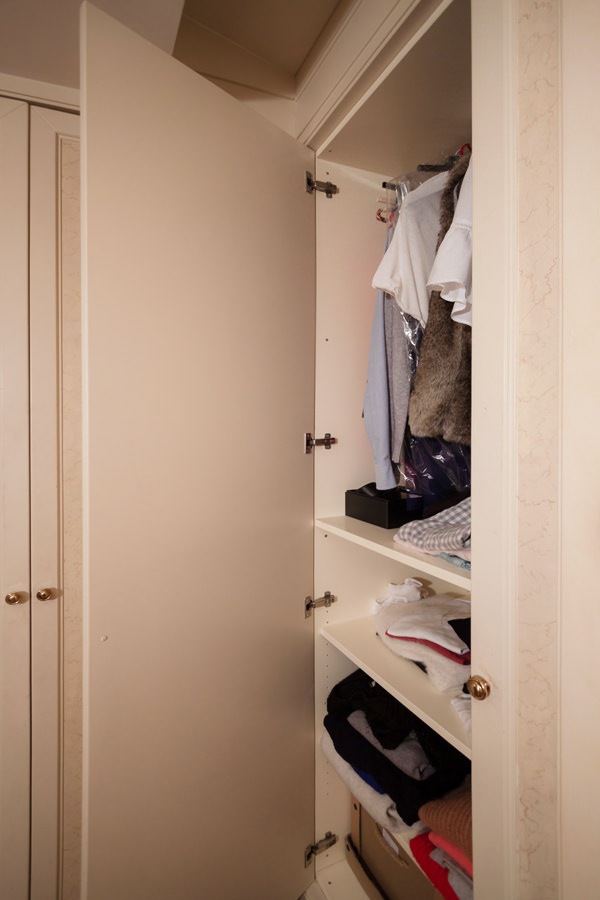
The warm tone of the walls is echoed by the knock-out of the doors in a delicate tone-on-tone play. Internally, shelves and hangers alternate to make the most of the environments.

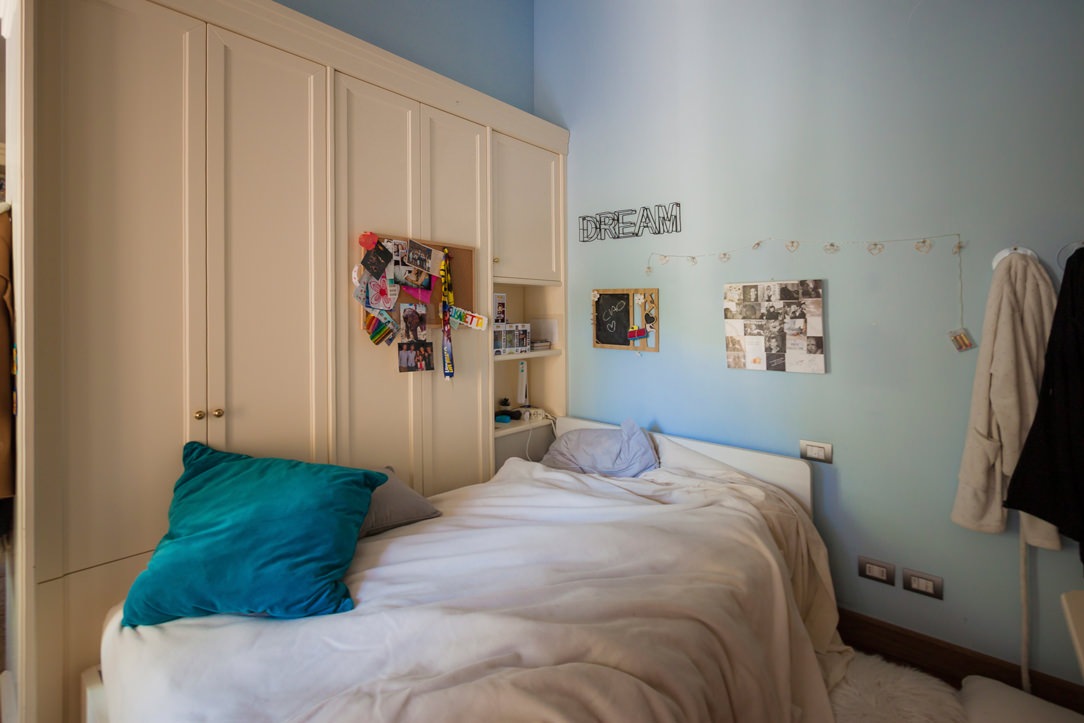
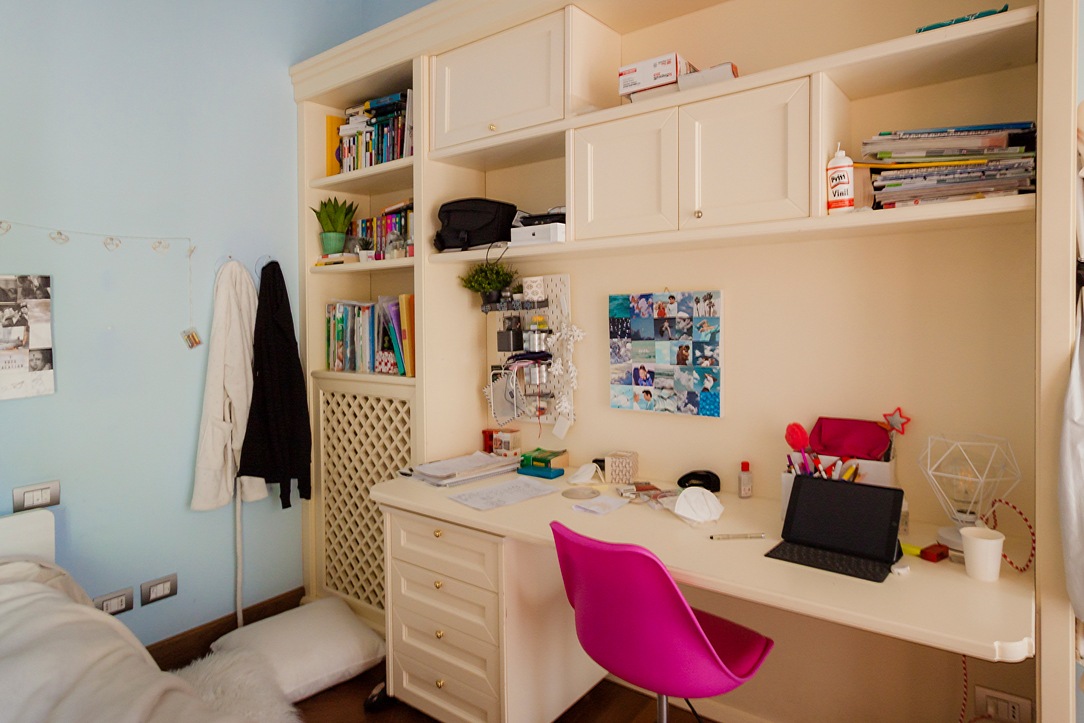
In the sleeping area, the bedroom uses a double-sided wardrobe that fits into the dividing wall between the sleeping area and the study corner, now equipped for distance learning. A structure with delicate warm tones which, combined with the light blue walls, is even brighter and fresher. Classic-style doors accommodate internal shelves and hangers, while in the terminal part they incorporate open compartments for small objects.
At the front, the equipped wall alternates shelves with wall units with molded doors, creating a dynamic visual rhythm. In the lower part there is a desk with a chest of drawers incorporated into the structure.

classic style bedroom bed
classic style bedroom desk
classic style wardrobes interior
detail decoration doors classic style furniture
classic style wardrobes decorated cream colored doors

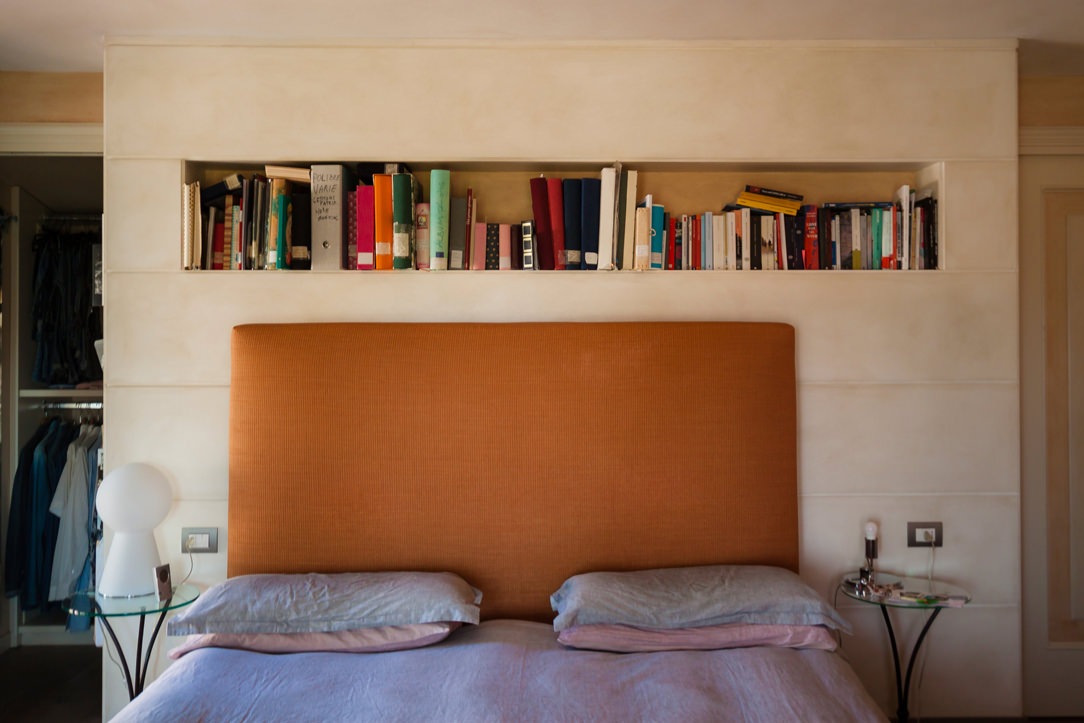
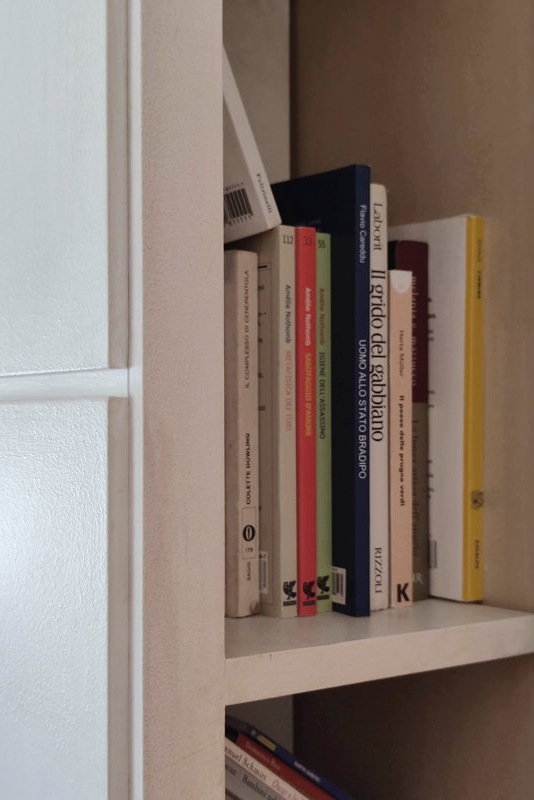
The master bedroom stands out for its contemporary elegance that only delicately hints at the classic tones of the remaining rooms. The caramel-colored padded headboard of the large double bed rests on the rear structure equipped with a front day compartment and bookcases along the side shoulders. To recall the classic style of the furniture is the linear aesthetic of the back wall with panels spaced at a fixed distance.
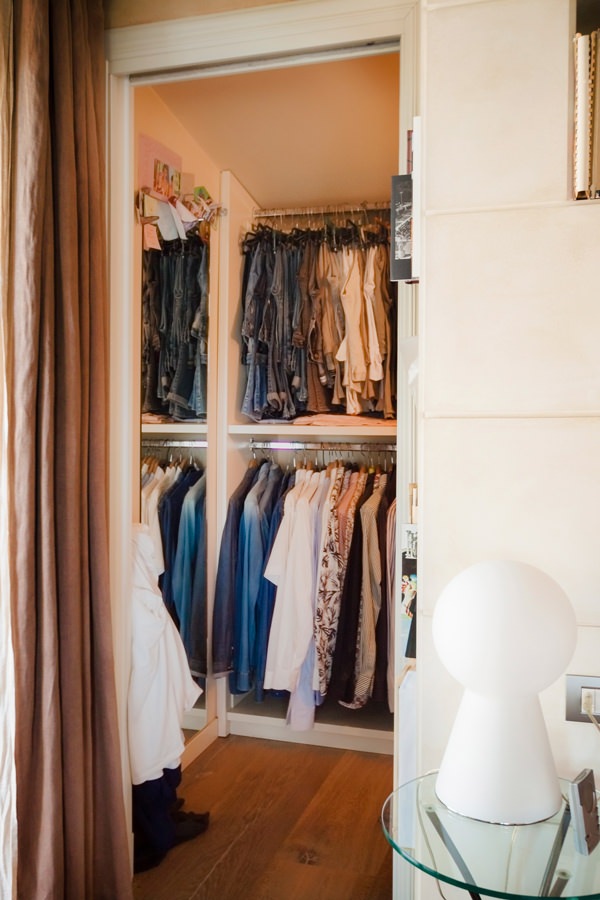
On both sides of the bed there is the access to the walk-in closet, contemporary in its design lines but with light tones that reflect the colors of the remaining furnishings.

cream colored shaped kitchen lacobel wall units
walk-in closet retro bed classic contemporary style
niche bookcase detail with headboard thickness
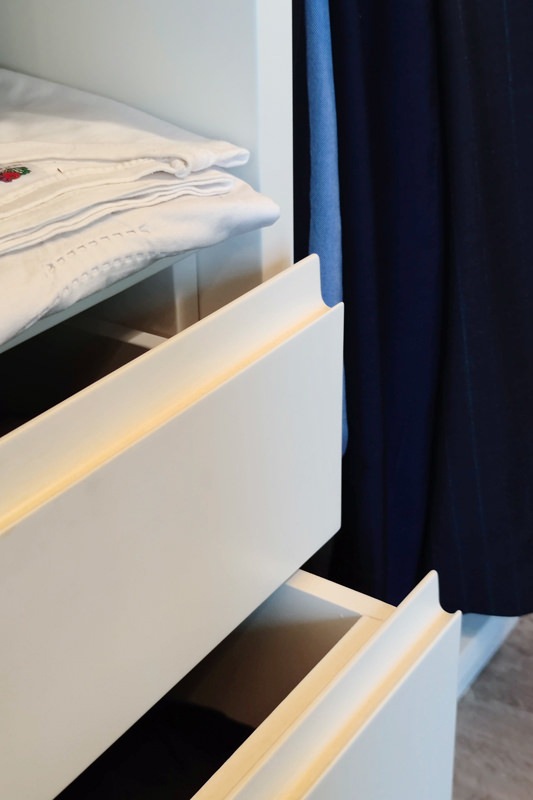
detail handles hollow linen drawers walk-in closet rear bed
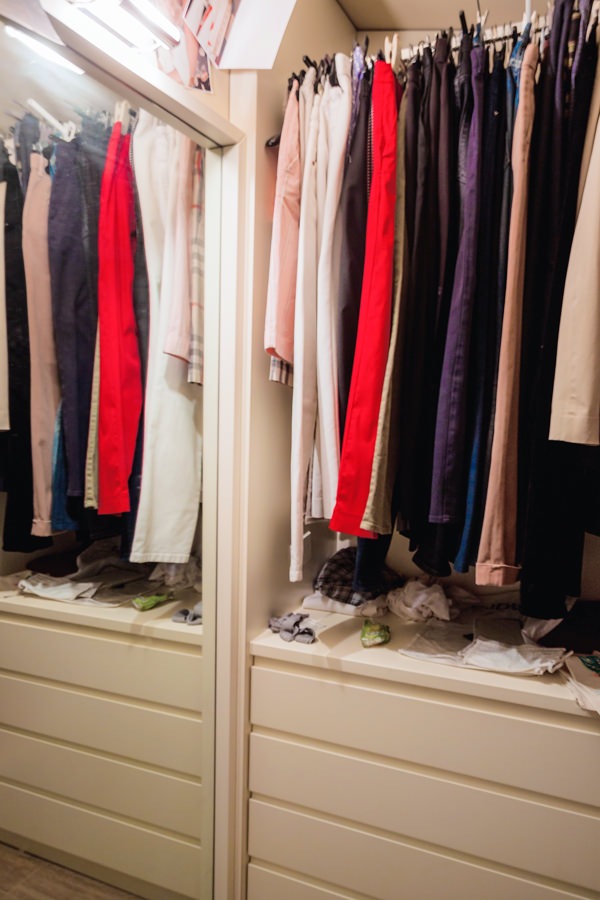
internal walk-in closet chest of drawers hanging mirror
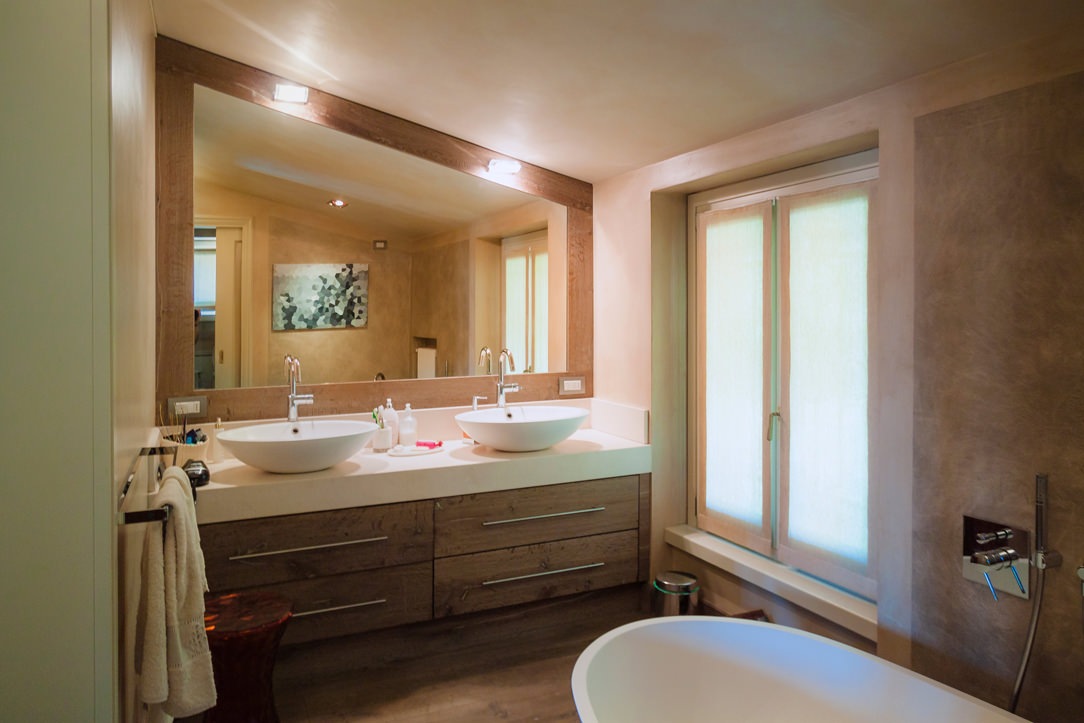
horizontal classic bathroom

The introduction of the contemporary style through the refurbishment of the kitchen

The timeless beauty of classic furniture, rediscovered even today, is confronted with the desire to renovate the interiors.
In terms of functionality and typology, the kitchen is the environment that best lends itself to a stylistic change with a contemporary flavor. Here then, after simplifying the existing doors with a linear aesthetic, this room also fits harmoniously into the existing complex.
A touch of lightness that balances the stylistic imprint of the villa.

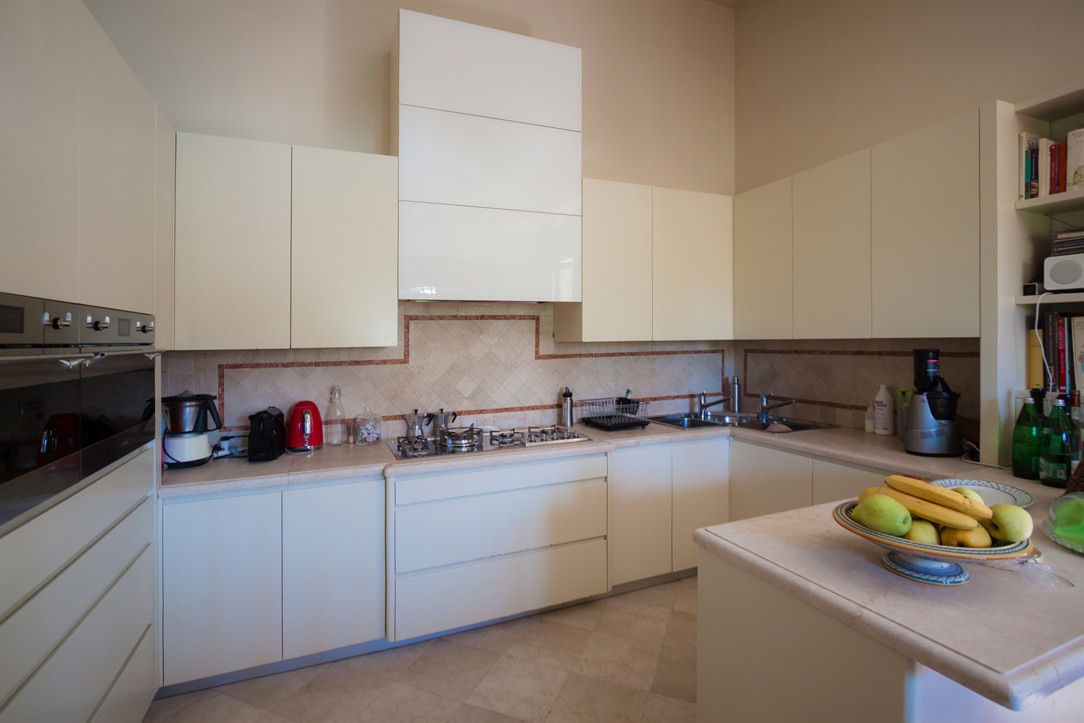
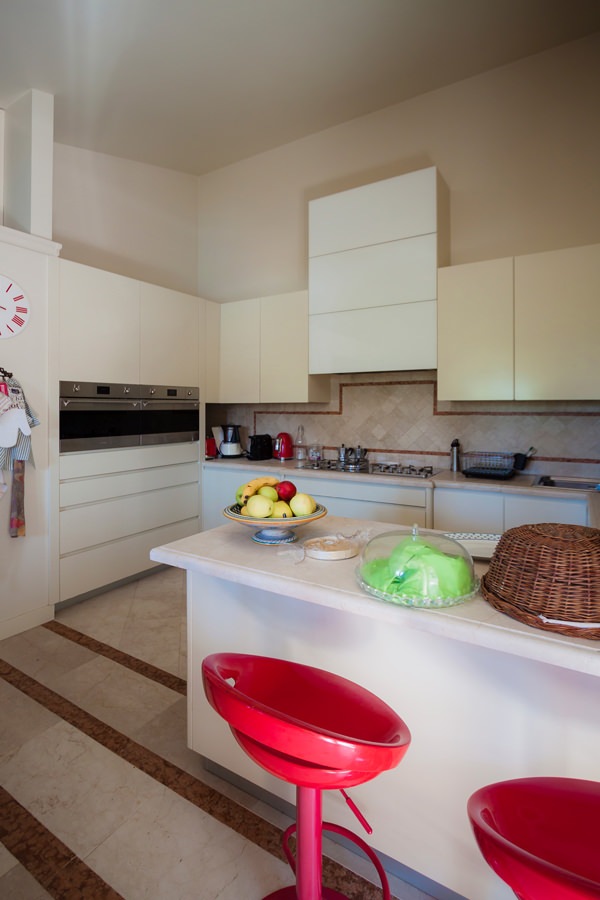
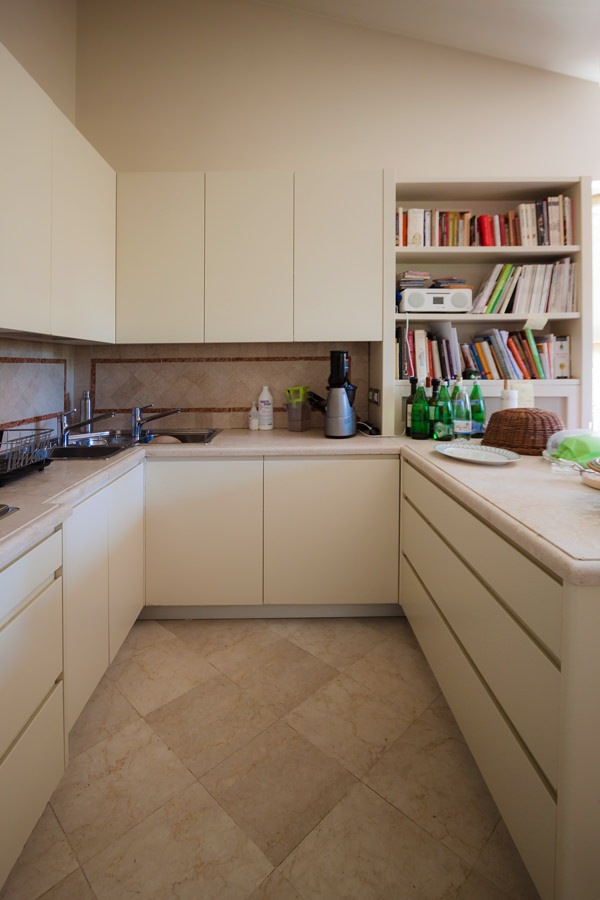
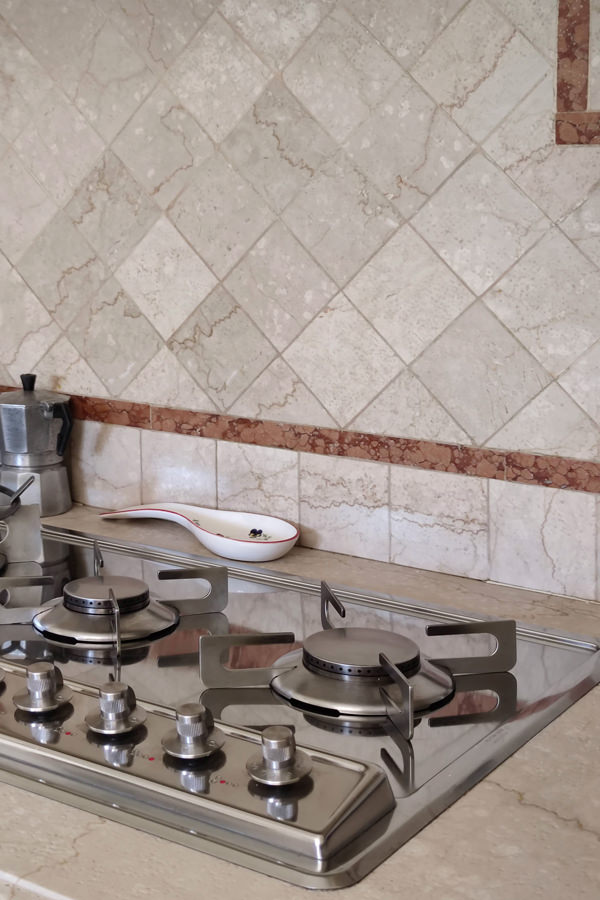
Preserving the top and the back surface of the terracotta kitchen with brick-colored geometric decorations, the refurbishment involved doors and front drawers of both the base units and the upper wall units. Recessed handles with a linear aesthetic and matt lacquer in full contemporary style are spread over the entire kitchen and the volume of the peninsula used as a snack bar placed at the front.
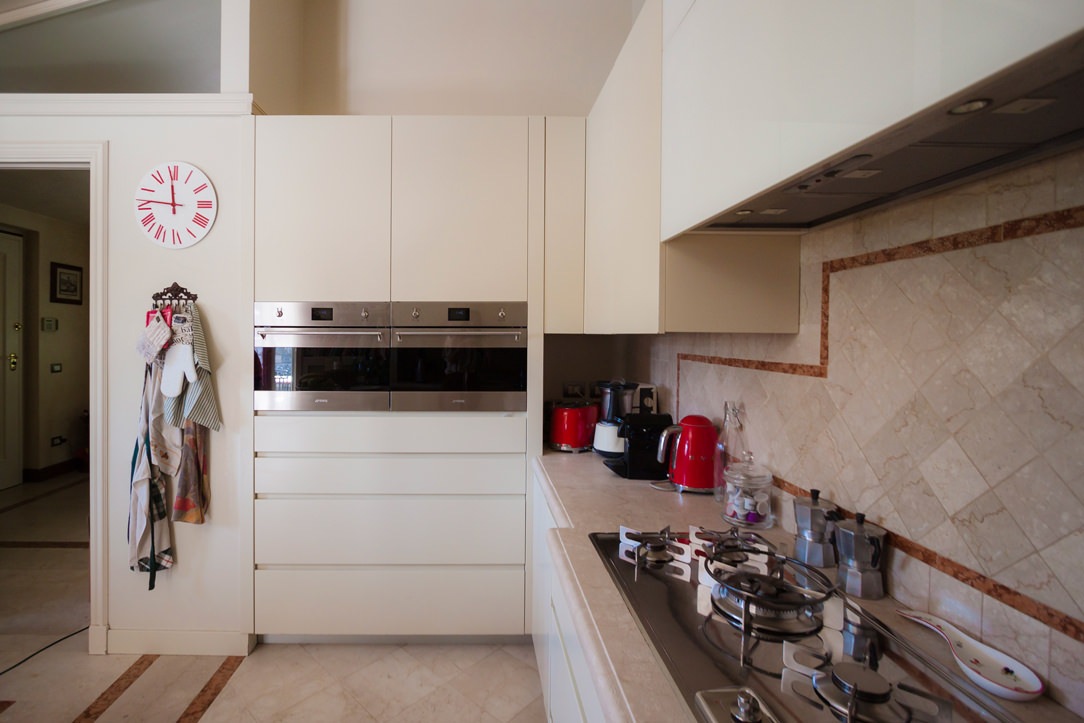
The hood, previously chosen as a “design” type, was inserted in a built-in structure entirely covered in white Lacobel, capable of giving brightness to the environment.
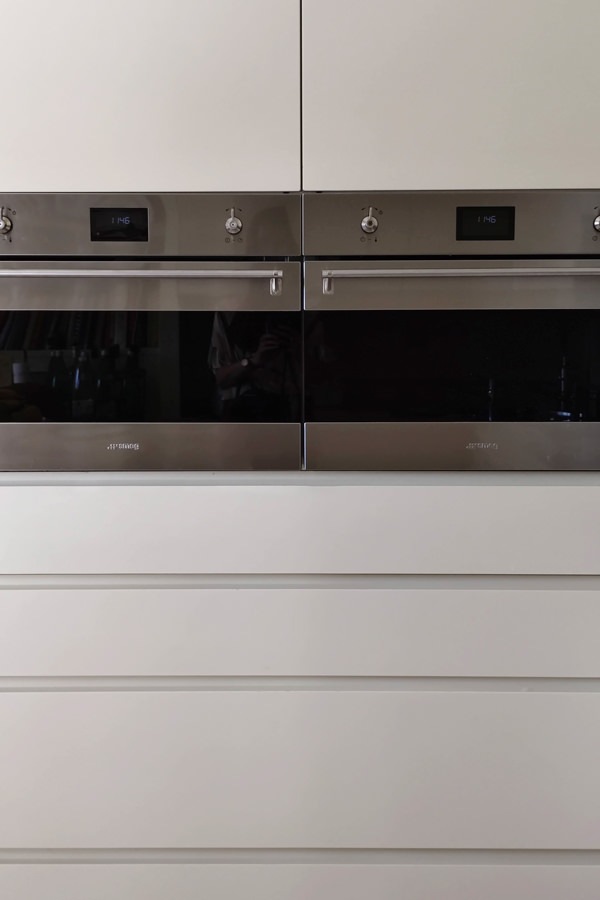
Appliances are also being renovated, including the built-in refrigerator and the pair of Smeg column ovens.

tubular horizontal hangers optimize coats space
contemporary style kitchen top snack bar red stools
modern classic style kitchen renovation on the peninsula side snack bar
modern classic kitchen 4
gas hob kitchen kitchen makeover
column ovens smeg contemporary kitchen drawers hollow handles

Conclusions: customize the classic furniture

The classic style, which today is witnessing a rediscovery, is easily combined with the essentiality of the contemporary style, creating an interesting combination. Restoring the stylistic balance of the interiors can also mean finding the right combinations between different styles, giving a decisive impression to the house.
To learn more, another example of a house with contemporary style and classic kitchen.

Giving new life to furniture: adapting them after a move

Giving new life to furniture: adapting them after a move

Facing a move means turning your life around, renovating your home and introducing new furnishing accessories.
Beginning to pack, you make a natural selection of the objects to take with you, recognizing for each their own emotional value.
Many times, this process also involves the world of furnishings, which accompany the owners in this moment of transition.
Giving new life to furniture also means renewing the context in which they are inserted, managing to adapt them in terms of aesthetics and functionality to the new environments.

Adapting furnishing to a new context

When the furnishings are custom designed, their conformation responds to the needs of the customers, perfectly matching with the architectural context in which they are inserted. In doing this, a strong link is born between the rooms in which they are inserted and the shapes, proportions and mechanisms of use of the furnishings.
This would suggest an indissoluble bond between the two components, which would break when the furniture undergoes a relocation.
It is absolutely not said!

In fact, among the potential of custom-made furniture there is a flexibility factor that allows us to give new life to furniture by making few changes.
These make it possible to transform the general imprint of the furniture in order to adapt it to the new context both in terms of aesthetics and functionality.

A perfect example are the adaptations made to these furnishing extrapolated from an apartment between classic and contemporary. Let’s discovery this apartment among transformed furniture and new additions.

The kitchen: increases the work space and storage volumes

The kitchen certainly represents the beating heart of a home.
In the case of this apartment between modern and contemporary, its conformation was born from a natural reading of the architectural context in which it was inserted.

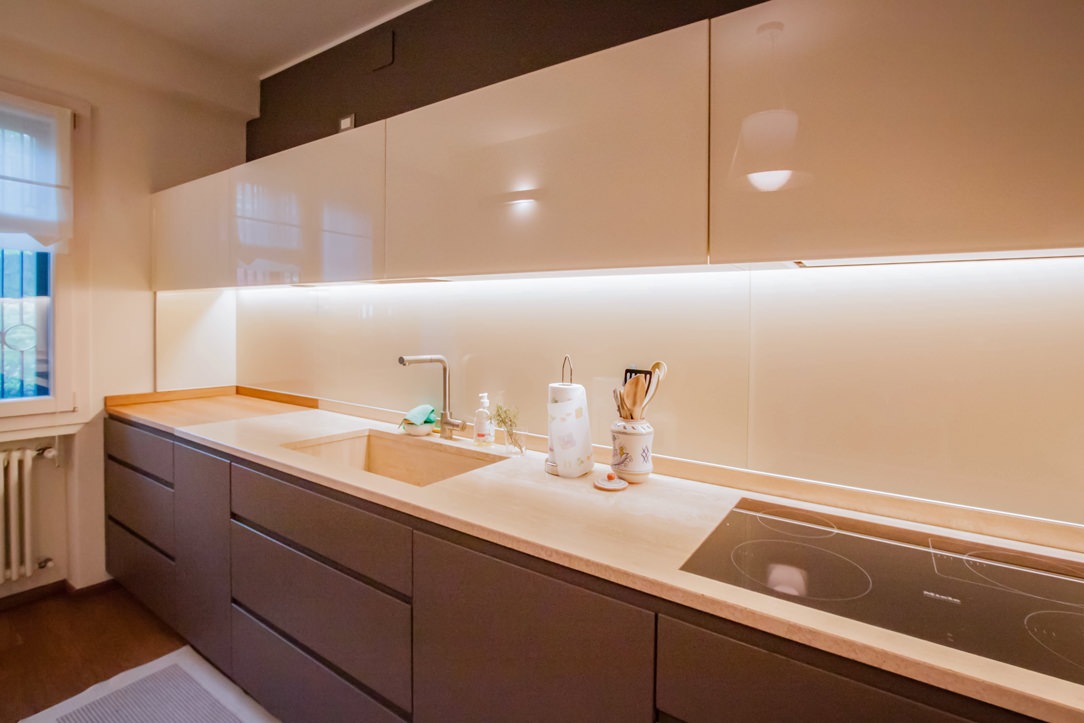
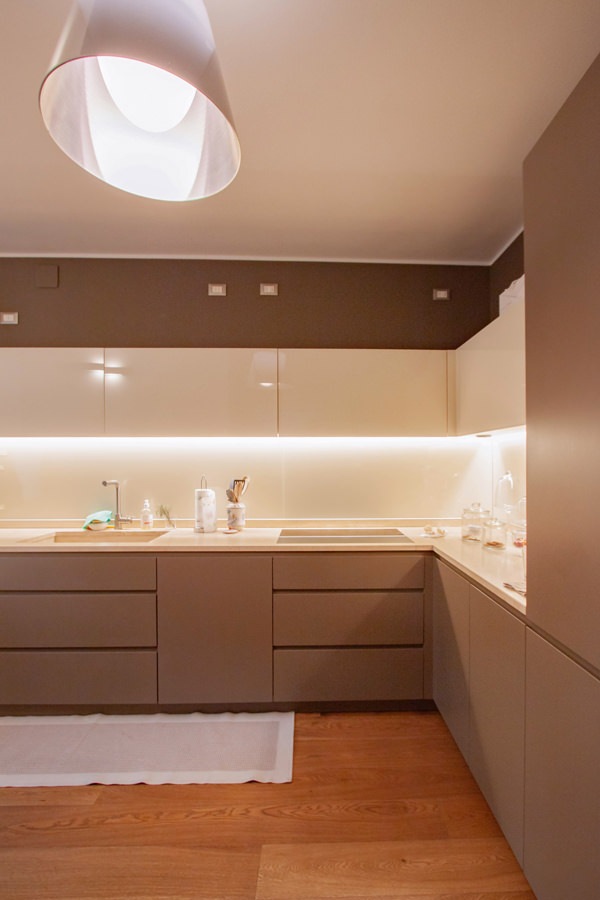
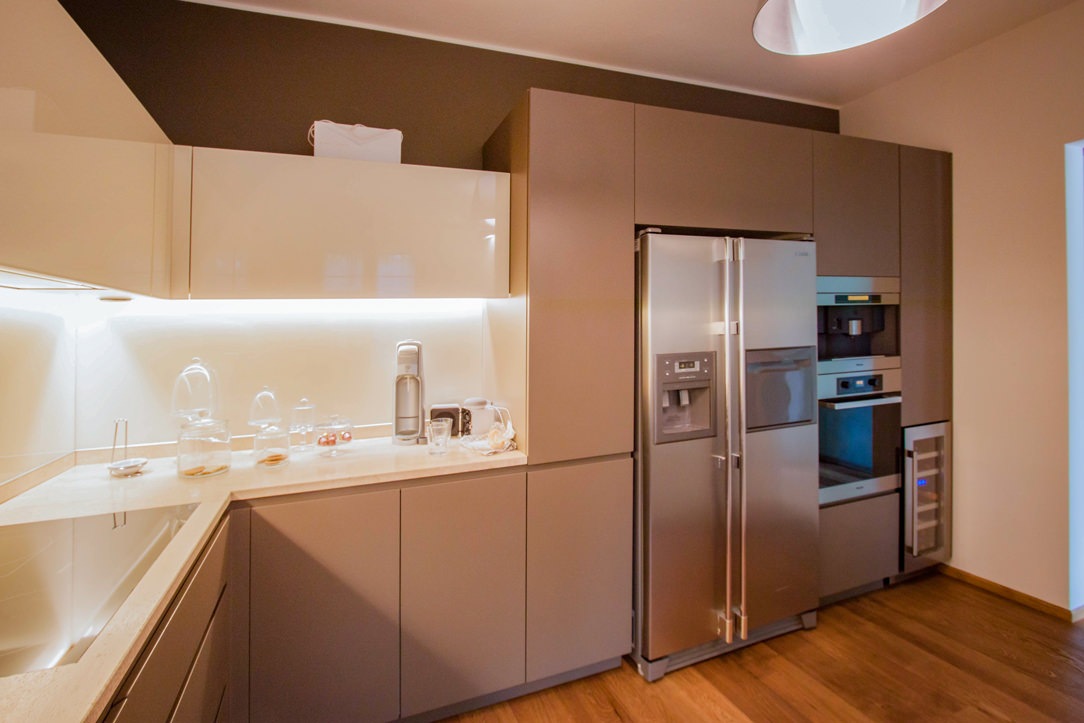
The corner development made it possible to exploit the side part with service columns with anthracite gray lacquered MDF doors.
These are equipped with column ovens on the right, pantry with removable trays and a central compartment for the free-standing refrigerator. The front is made up of lower volumes with large drawers and service doors and upper wall units in a brilliant white Lacobel.

The new arrangement has provided additional useful space for the overall dimensions. Being able to use additional space on both sides, the most natural solution was to exploit the remaining gaps with additional volumes.
On the right, we provide a service column which houses a modern wine cellar accompanied by a door with height-adjustable internal shelves.

On the opposite end, the main problem arises when the worktop is made of natural stone, which has undergone a chromatic change over the years.
To avoid incurring a visible difference between the added part and the existing one, a wooden top was thus created. It also acts as a cutting board for preparing meals. An element that not only solves an aesthetically weak point, but also provides a functional solution.

giving-new-life-furniture-kitchen-move-cupboard-modify
modern-kitchen-front-view-counterop-natural-stone
side-view-kitchen-undertop-sink-white-lacobel-cabinet
kitchen-countertop-detail-natural-stone-white-lacobel-back-surface
kitcehn-service-columns-wine-cellar

The living area: a new contemporary aesthetic

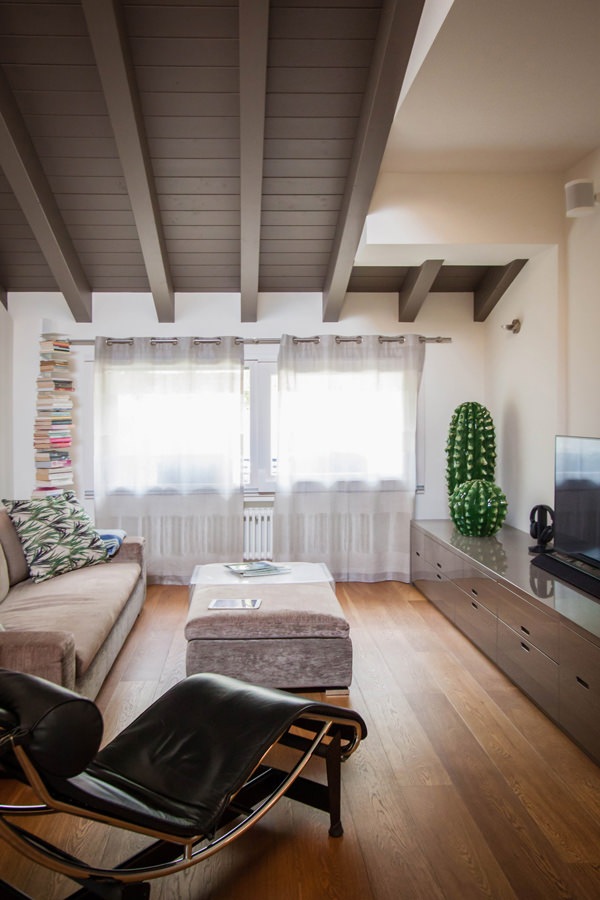
To equip the living area, we recovered the furniture made in 2006.
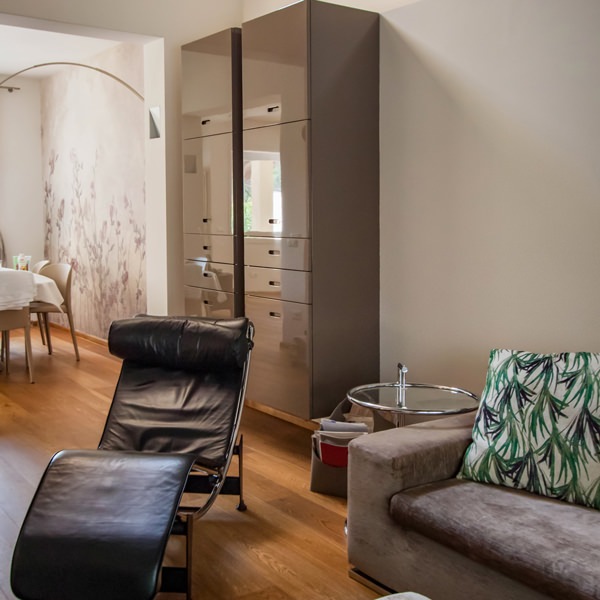
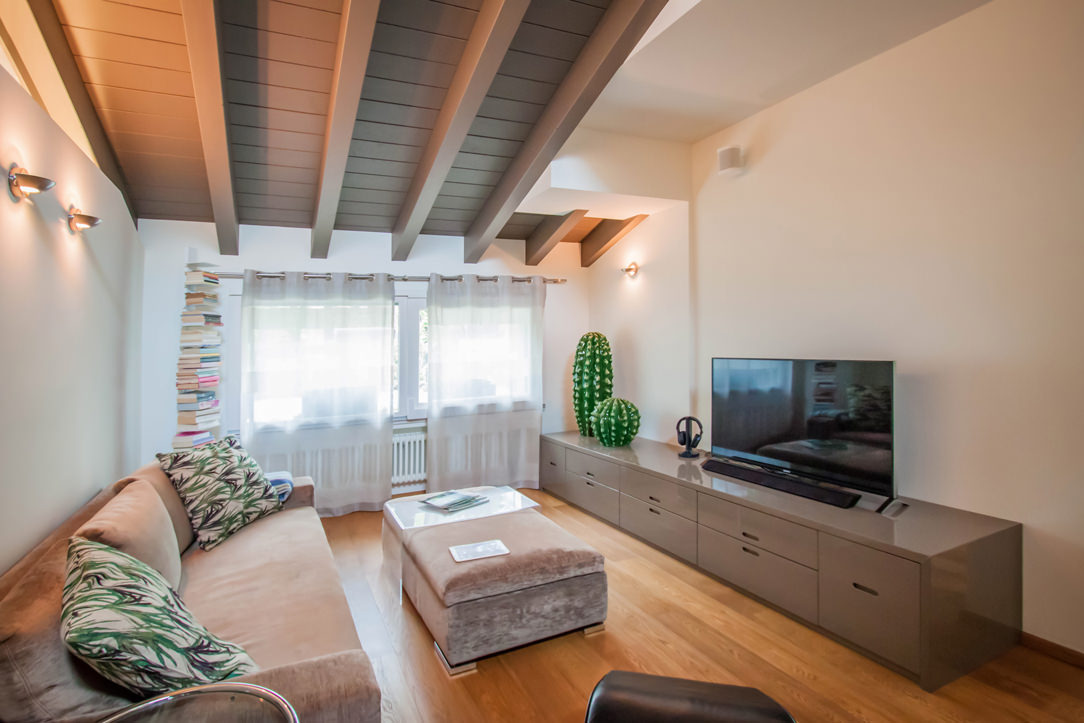
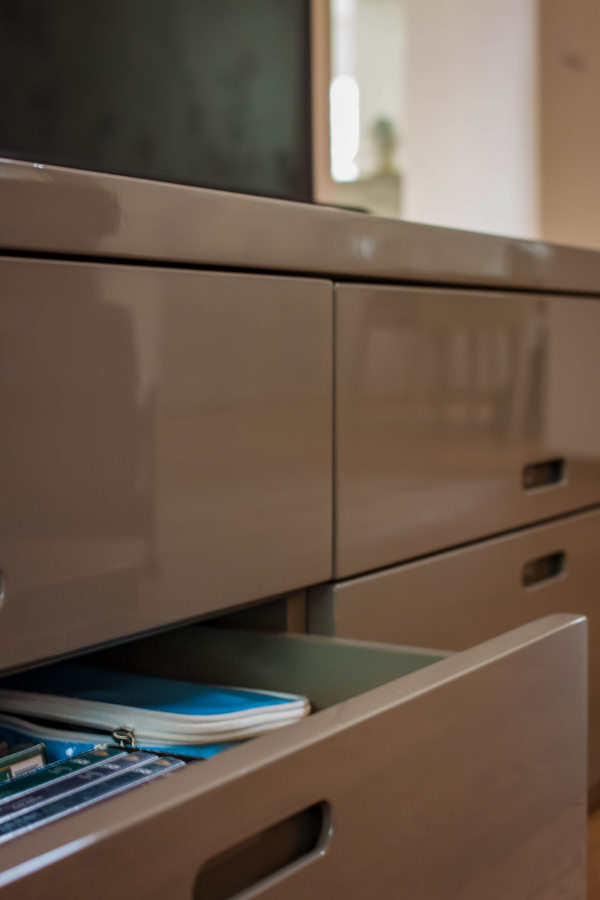
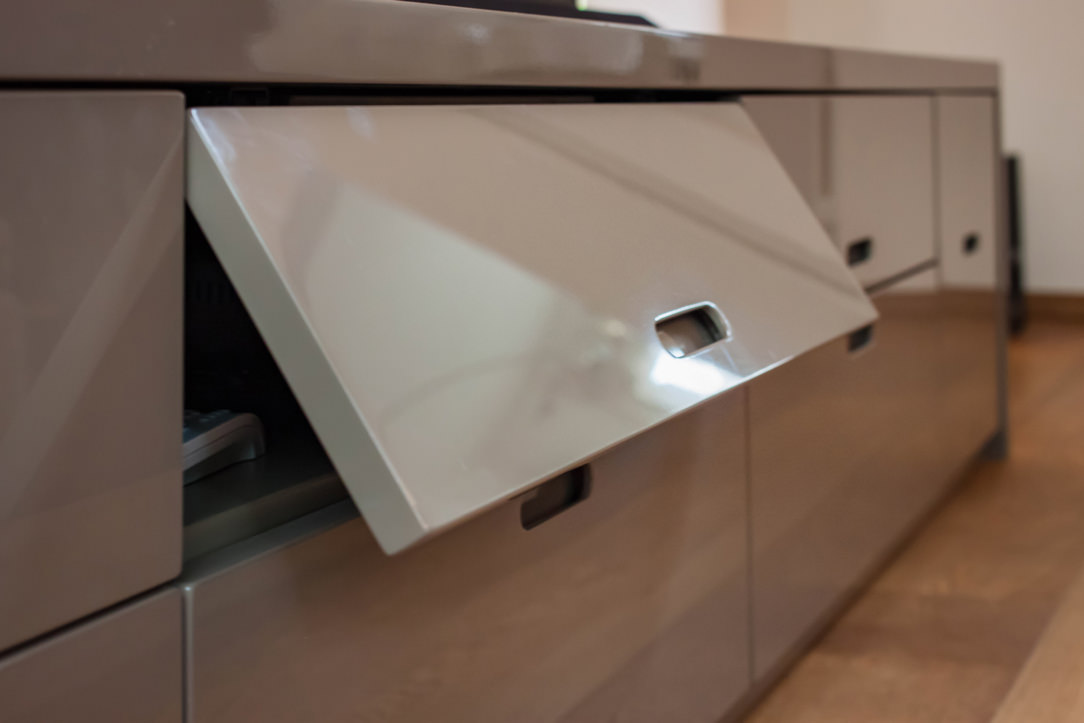
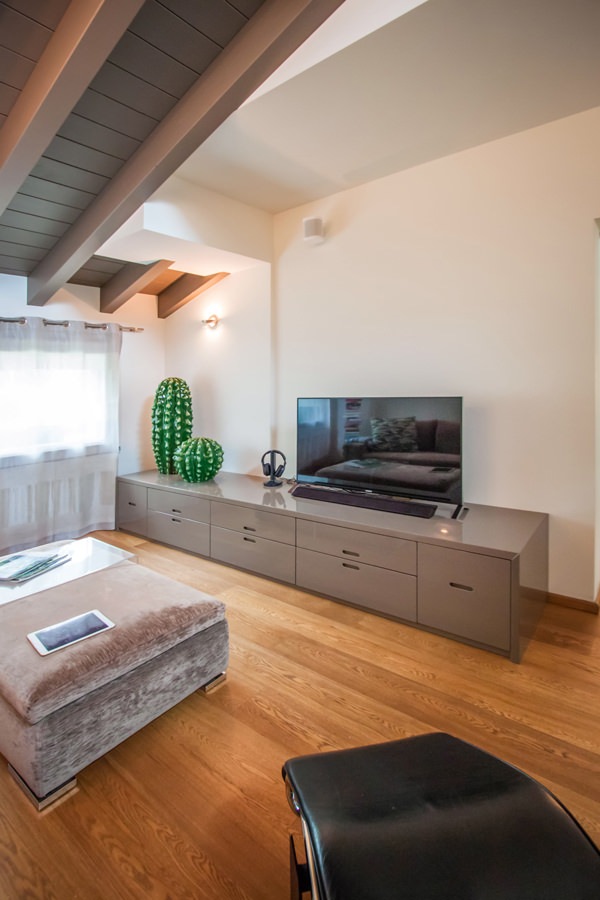
The choice of colors was already avant-garde at the time. Even in a contemporary reworking they can adapt perfectly, resulting elegant and current. The TV cabinet in glossy anthracite gray lacquered MDF alternates flap doors with service drawers, whose recessed handles give visual lightness.

In this case, giving new life to furniture means adapting them to the new context in which they are inserted, managing to exploit the flexibility of the same.
Small changes have been made, mostly considered maintenance. Re-lacquering where necessary or remaking of structural parts.

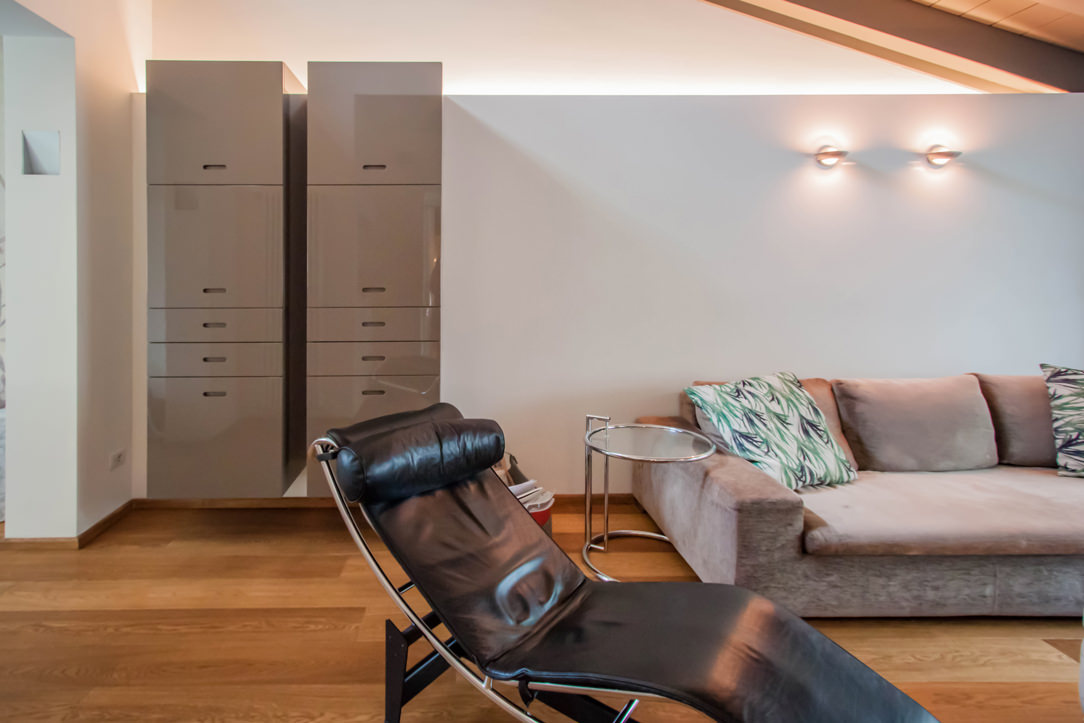
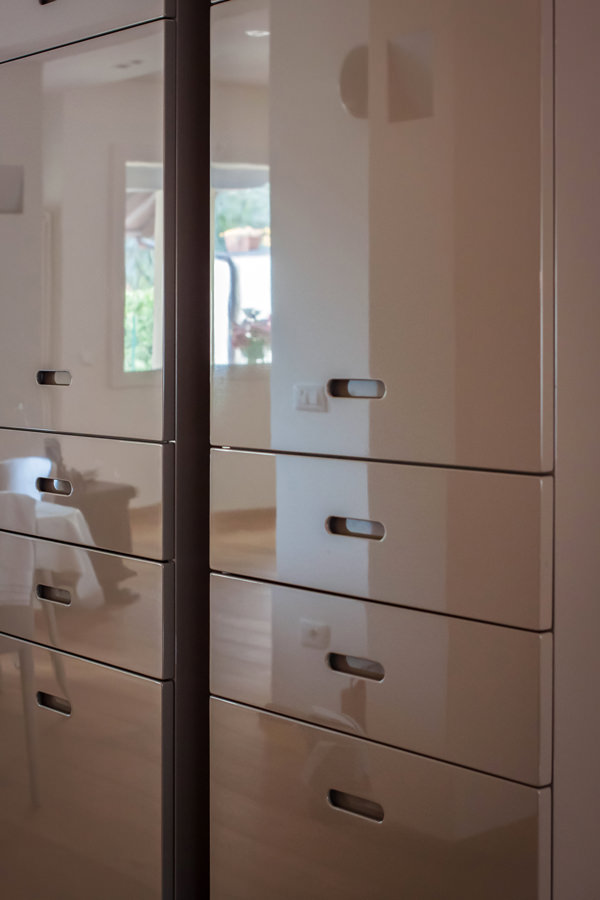
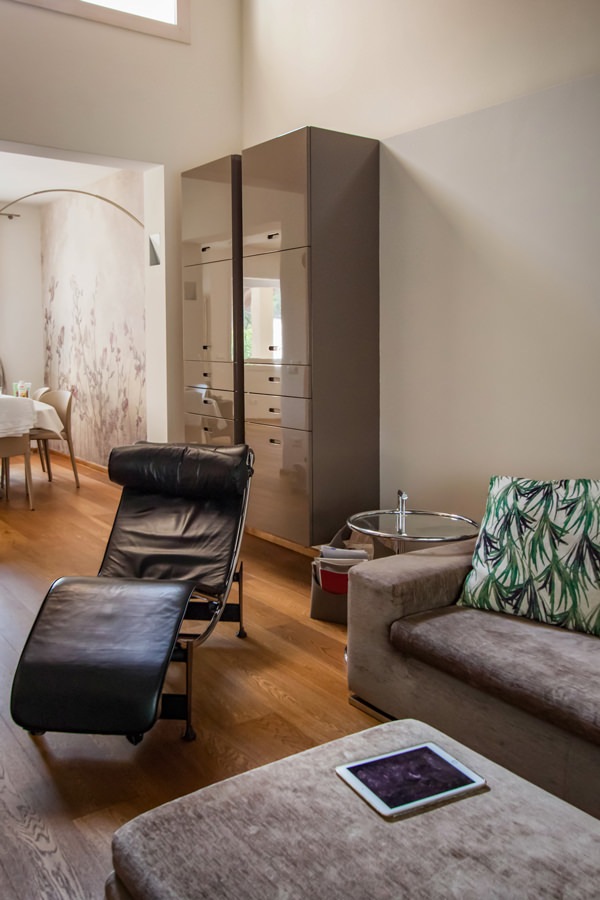
The same approach was then applied to the service hanging columns, which are made up of doors in the upper part and small drawers in the lower part. Their new position side by side allows them to welcome guests introducing them to the living area and, at the same time, create a visual divider from the more intimate dining room.

give-new-life-furniture-living-room-tv-cabinet
detail-top-MDF-shiny-laquered-dove-gray
open-drawers-flap-door-tv-cabinet
flap-door-recessed-shaped-handle-tv-cabinet
modern-living-room-design-tv-cabinet
give-new-life-furniture-living-room-tv-cabinet-shiny-laquered
service-cabinet-living-room-drawers-door-shaped-recessed-handle
shiny-laquered-doors-dove-gray-recessed-shaped-handle
modern-living-room-furniture-cabinet-shiny-laquered

Children’s bedrooms: new tailor-made solutions to exploit architectural voids

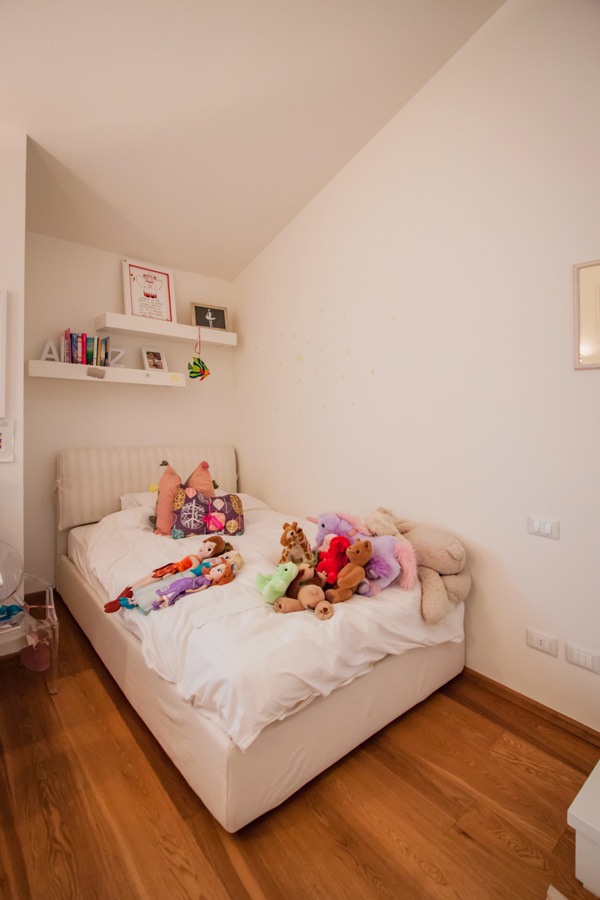
The sleeping area houses the two small bedrooms whose conformation alternates architectural voids with important structural elements.
A tailor-made solution was therefore designed in both rooms in order to include all the necessary furnishings without sacrificing practicality and visual freedom.

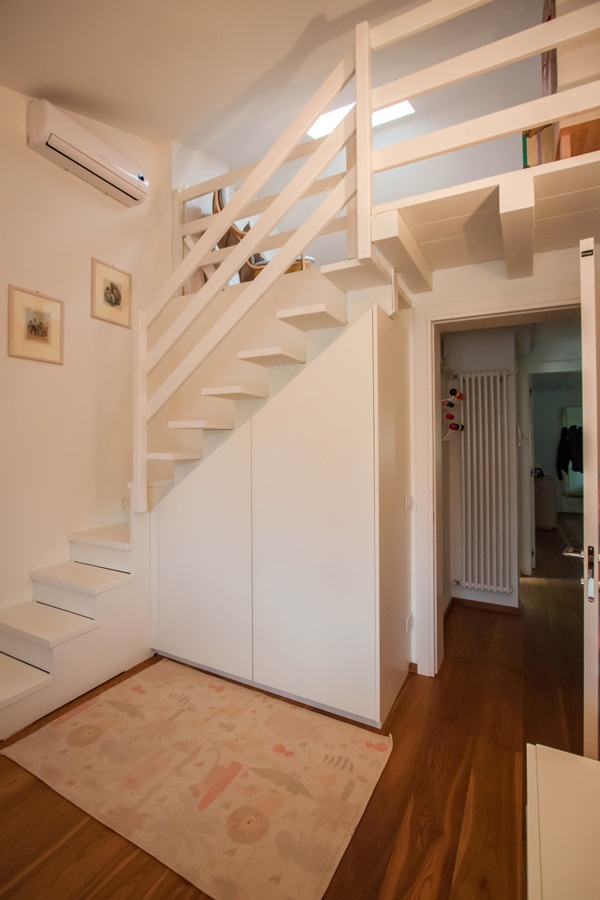
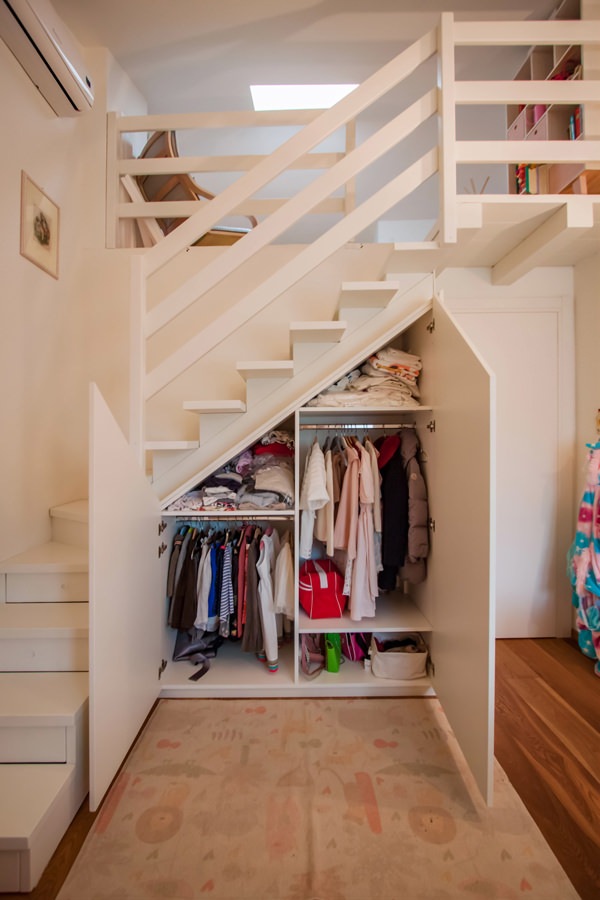
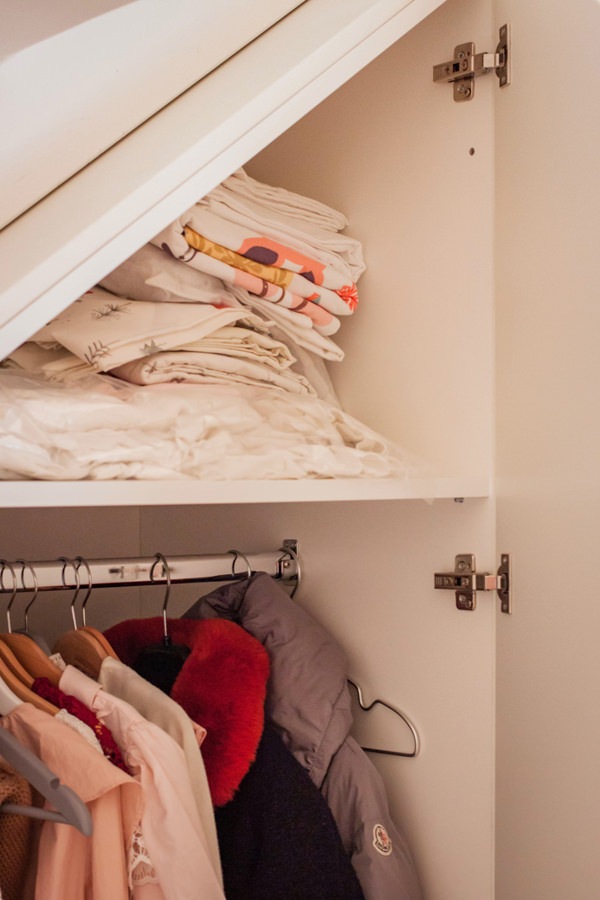
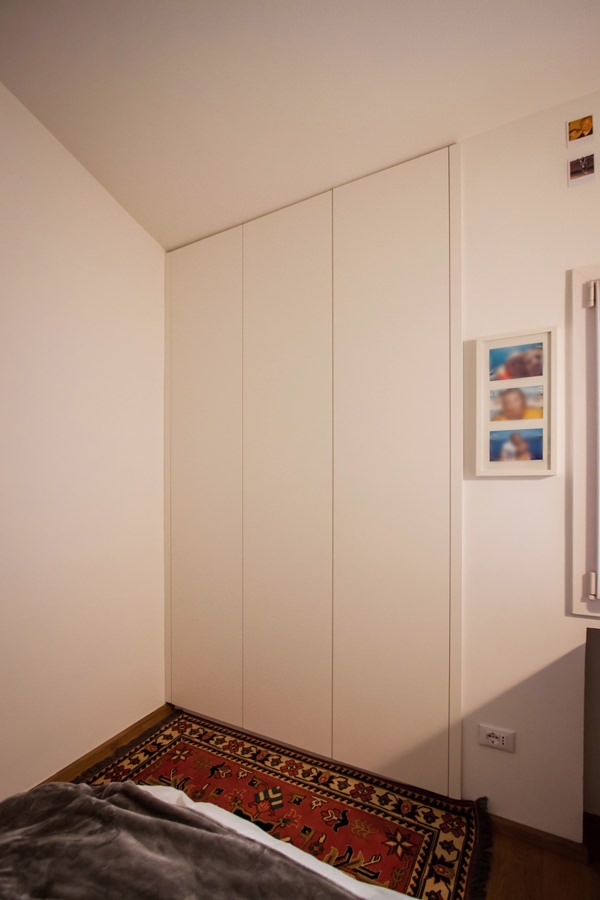
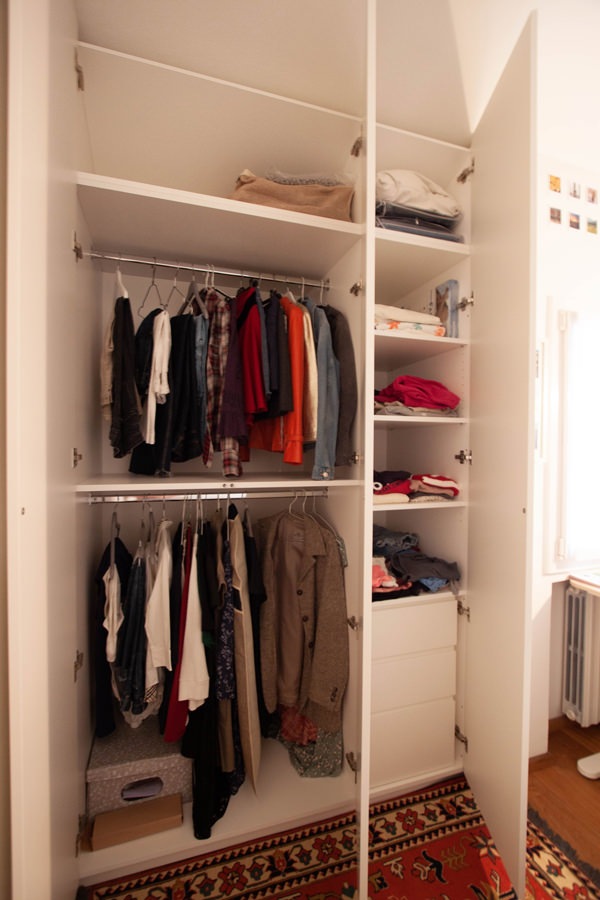
For the first bedroom it was therefore decided to take advantage of the basement that leads to the mezzanine area to equip it with a shaped wardrobe.
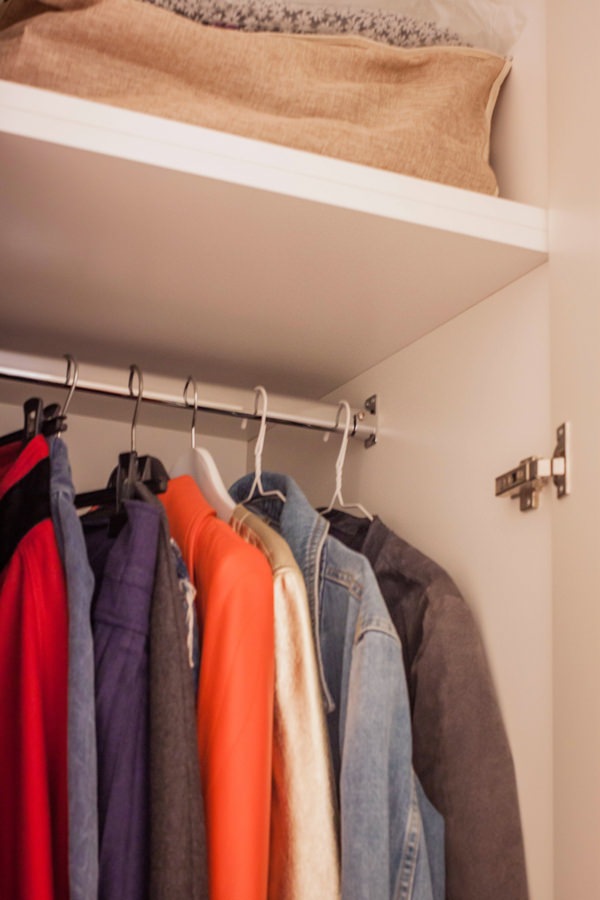
Since the room is intended for a child, the dimensions and heights necessary for the clothes have certainly facilitated the design. Despite having little space available, taking advantage of the inclined height of the basement, it was still possible to create a double-height wardrobe with alternating shelves with fixed hangers.
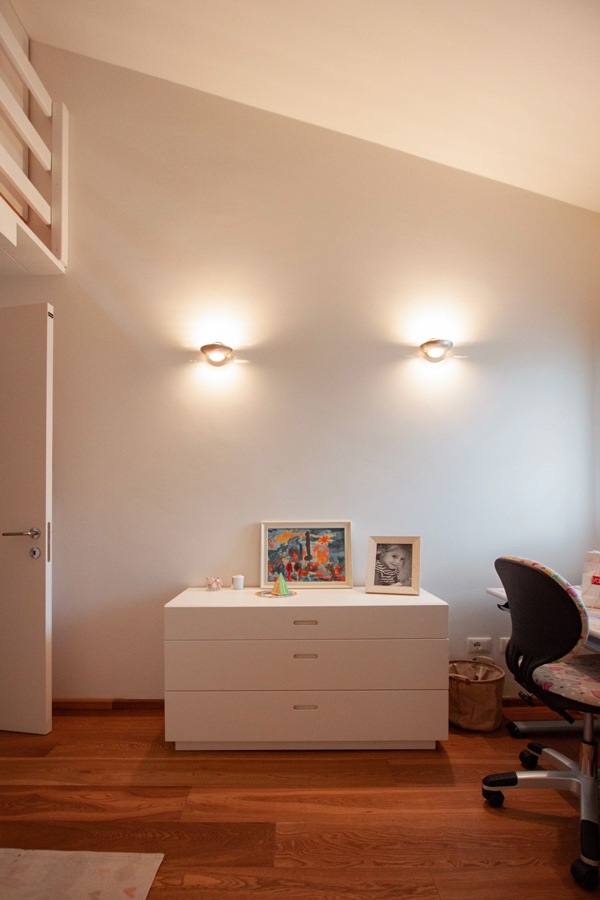
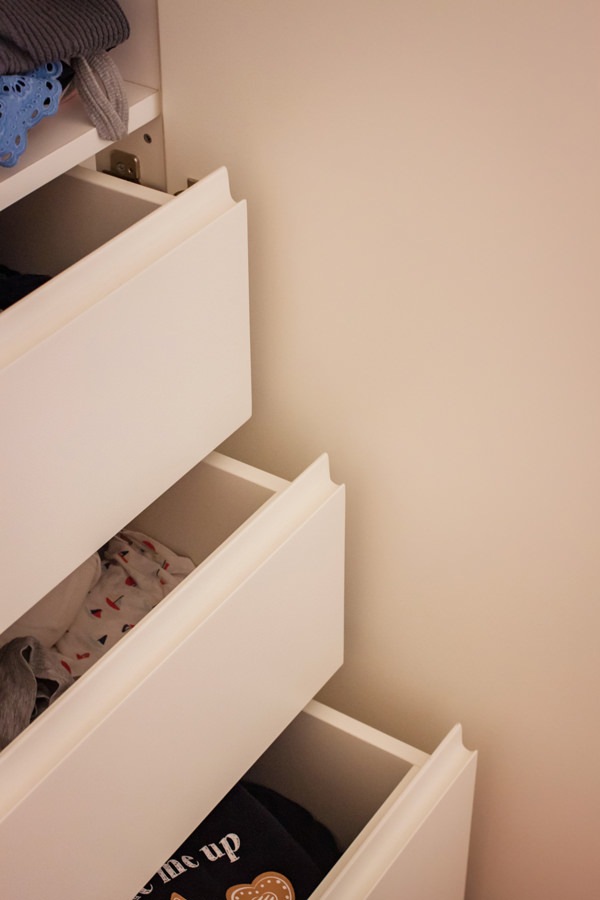
The wardrobe is accompanied by a standing alone chest of drawers which is also used as a support surface.
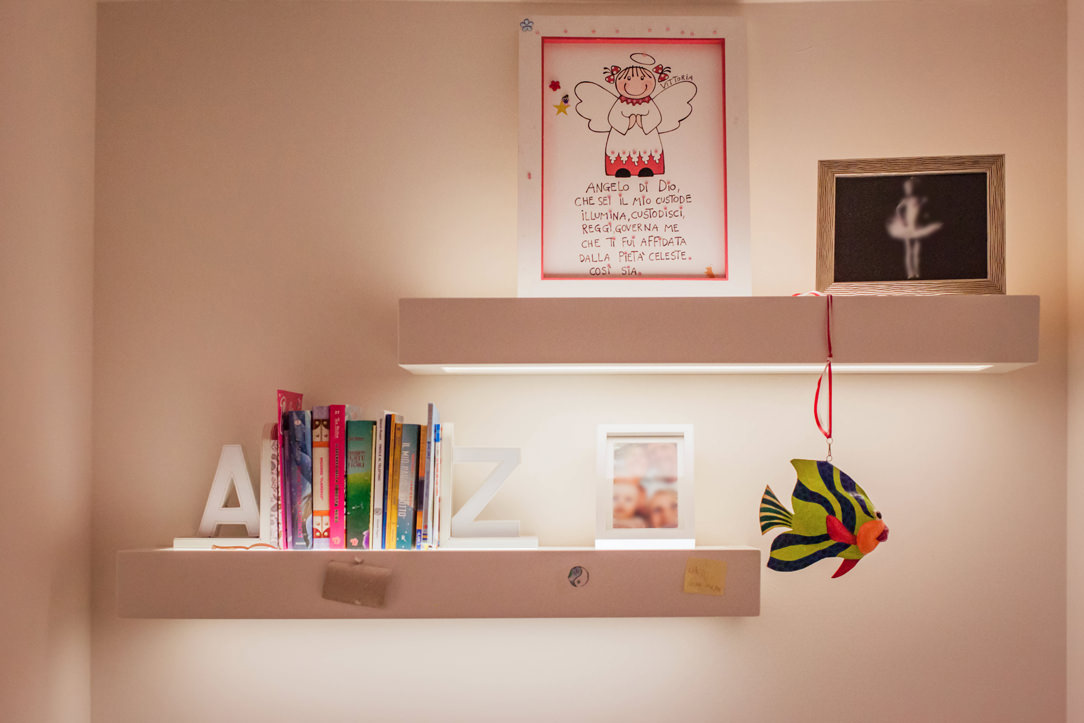
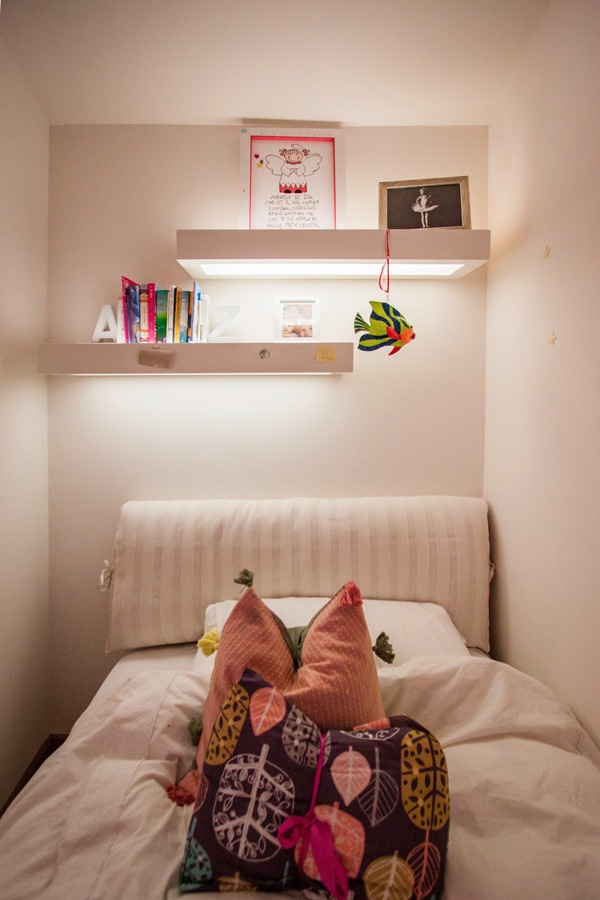
The large one and a half bed is inserted in a niche. The latter used in the depth to fix shelves with hidden lighting.

In the second small room, the depth of the niche is useful for a certainly wider wardrobe. Full-height doors with push opening accommodate fixed tubulars, drawers for linen and shelves for folded items to satisfy the needs of a young girl.

shaped-wardrobe-basement-niche
service-drawers-bedroom
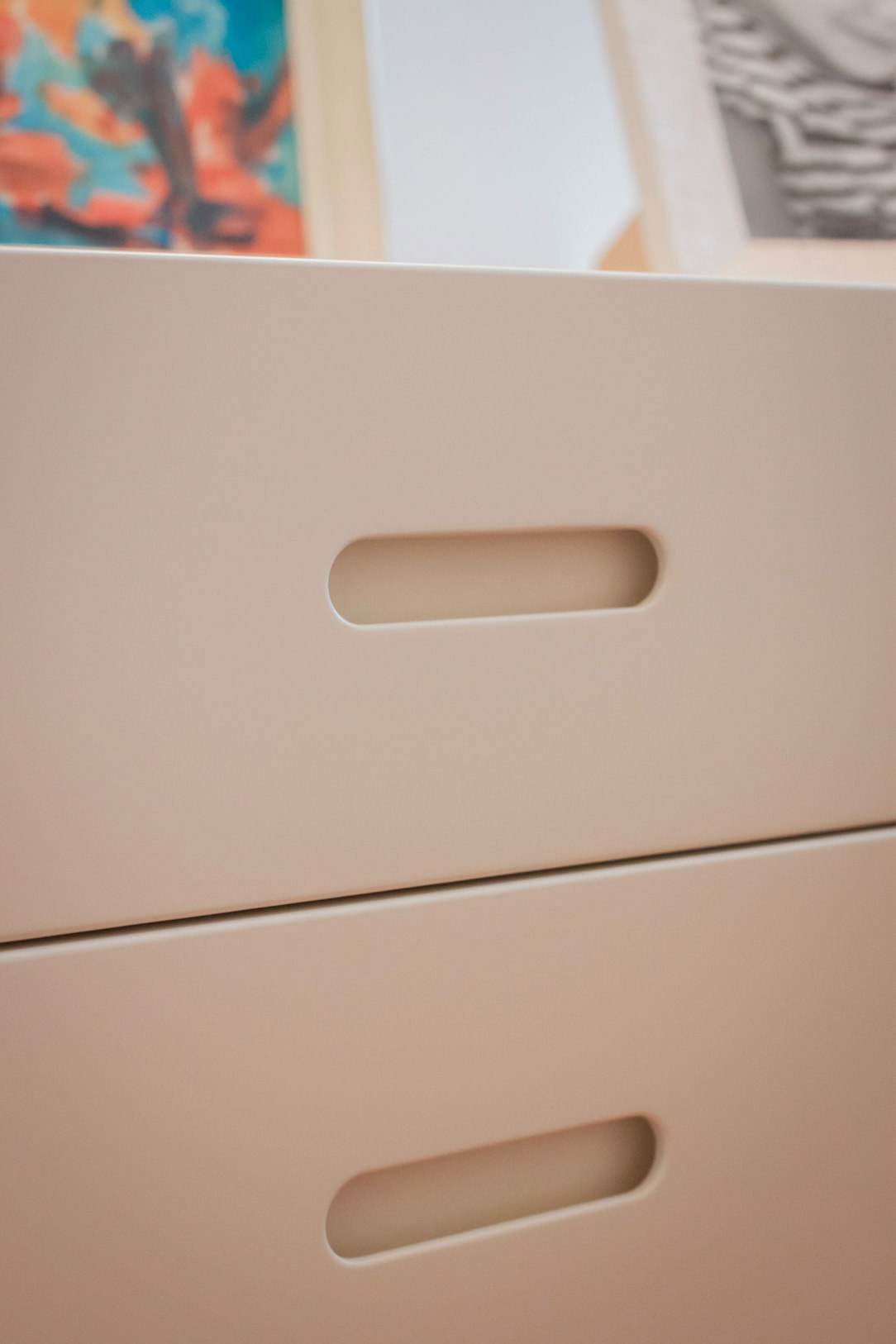
recessed-handle-shaped-detail-drawers
internal-wardrobe-composition-shap-bedroom
detail-hanger-shaped-shelves-wardrobe-bedroom
detail-shelves-integrated-lighting-bedroom
niche-bed-girl-illuminated-shelves
giving-new-life-furniture-niche-bed
shaped-niche-wardrobe-push-opening
interior-composition-wardrobe-bedroom-niche
internal-tubular-hanger-shelves-closet-bedroom
drawers-handle-hollow-inside-cabinet

The master bedroom: a wardrobe like new

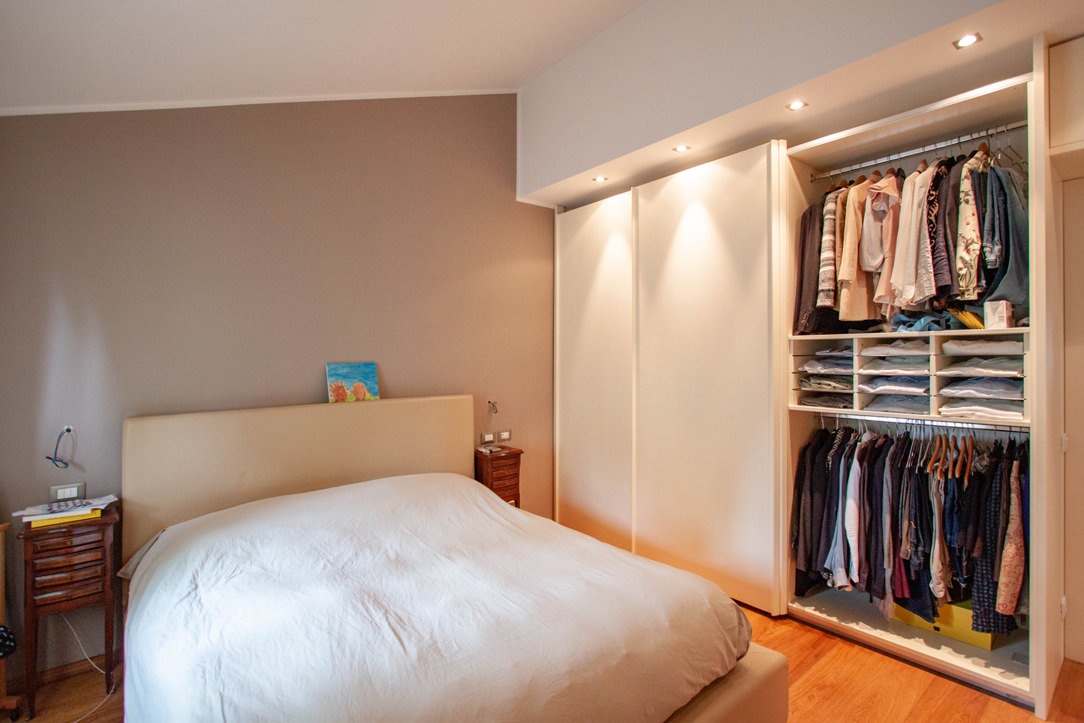
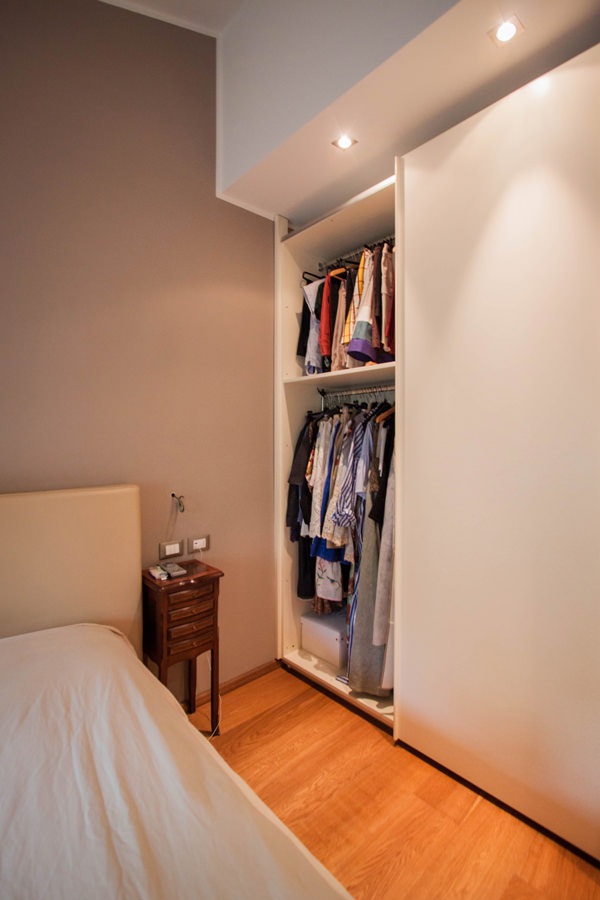
The master bedroom is best equipped with a large wardrobe with sliding doors placed parallel to the bed.
Its linear aesthetic combined with spot ceiling lighting allows at the same time to hide its grandeur.
The result is a capacious and functional volume which, in the aesthetic impact of the room, tends to disappear while giving character and elegance.
Relocated from the old house, the different internal height has led to a reduction in height which has thus made it possible to better adapt to new environments.

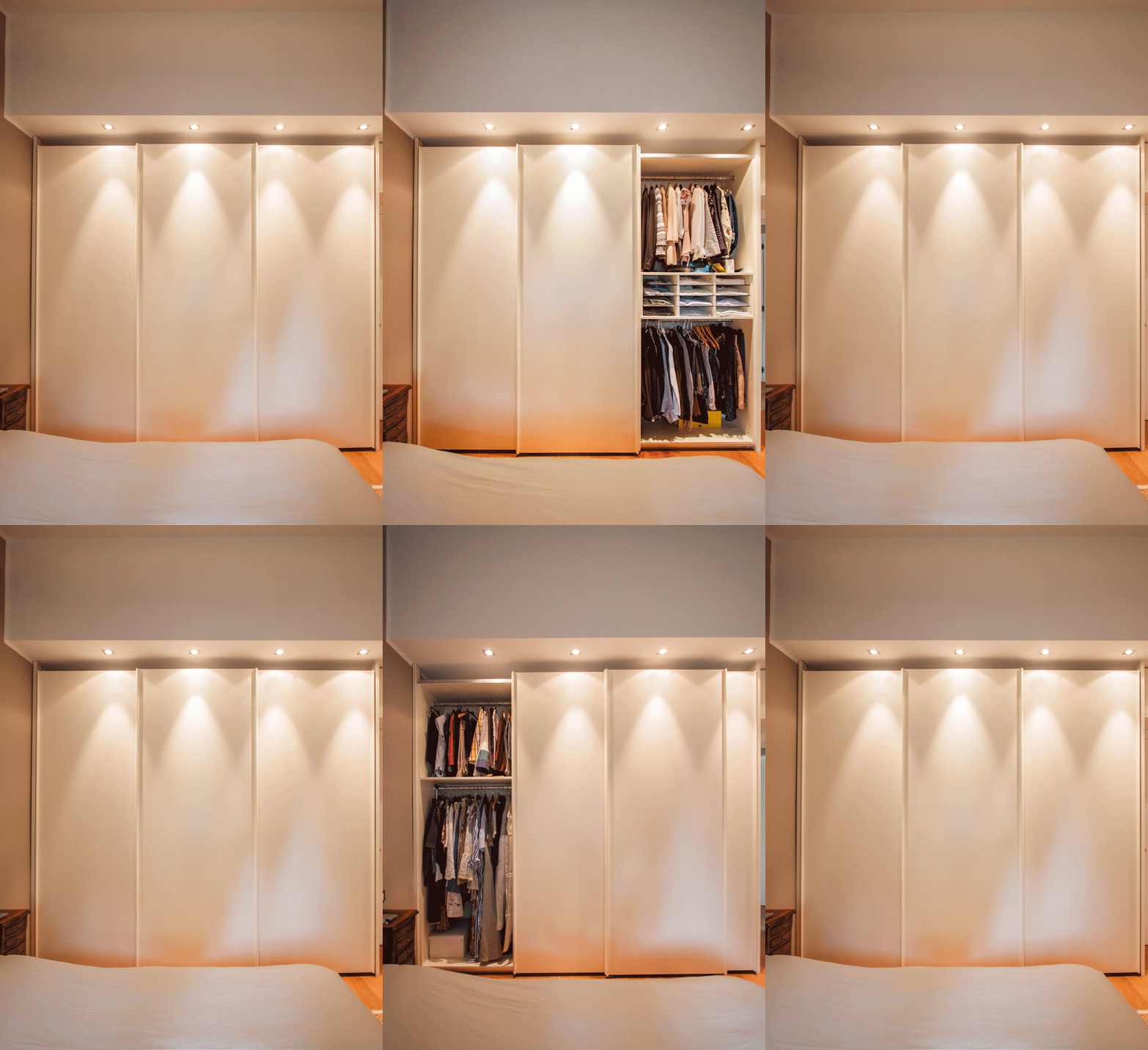
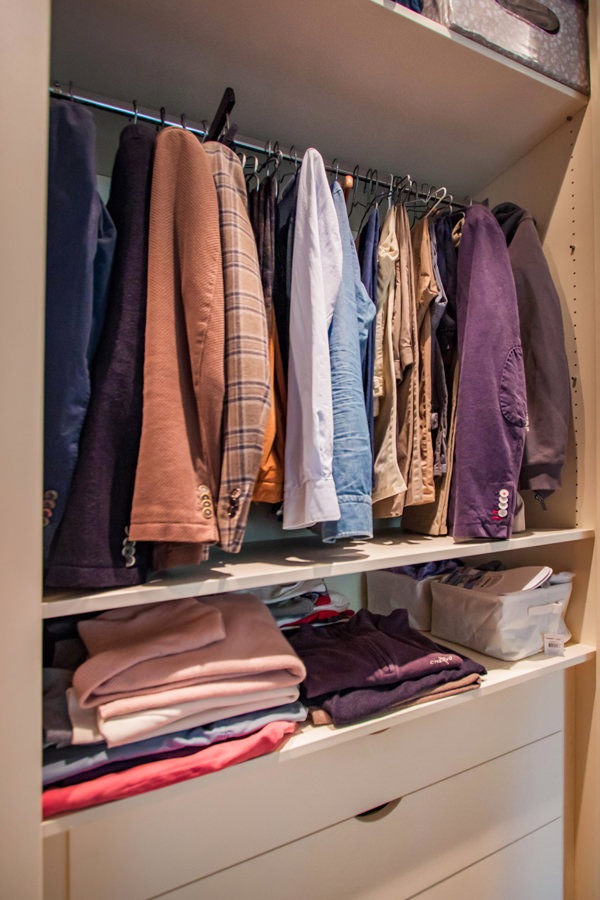
The composition of the wardrobe comes from a natural division into three departments, corresponding to the division of the sliding doors.
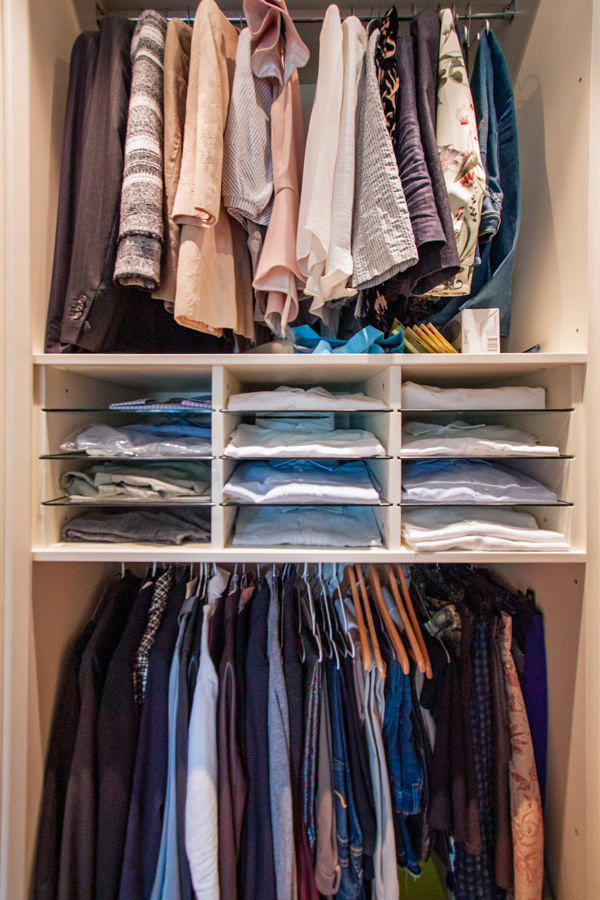
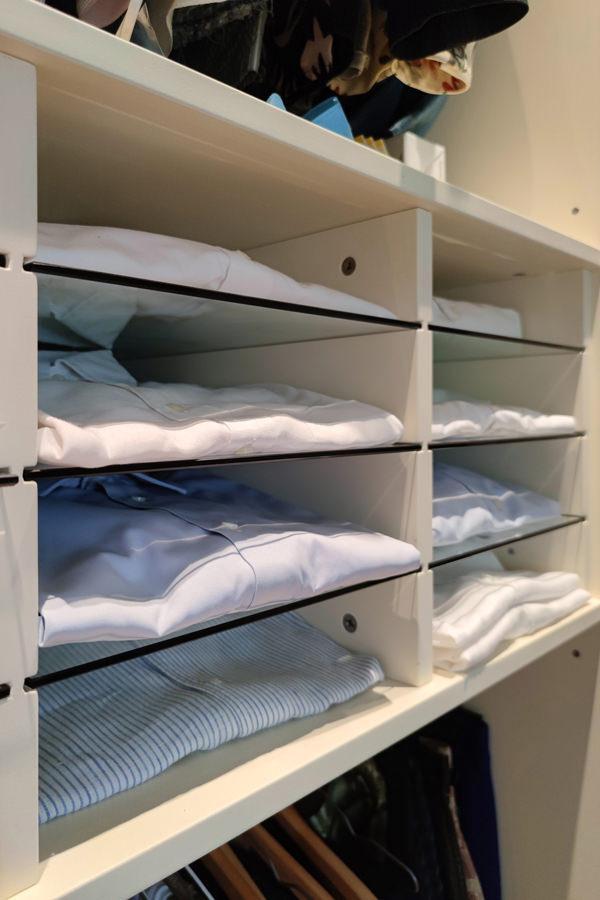
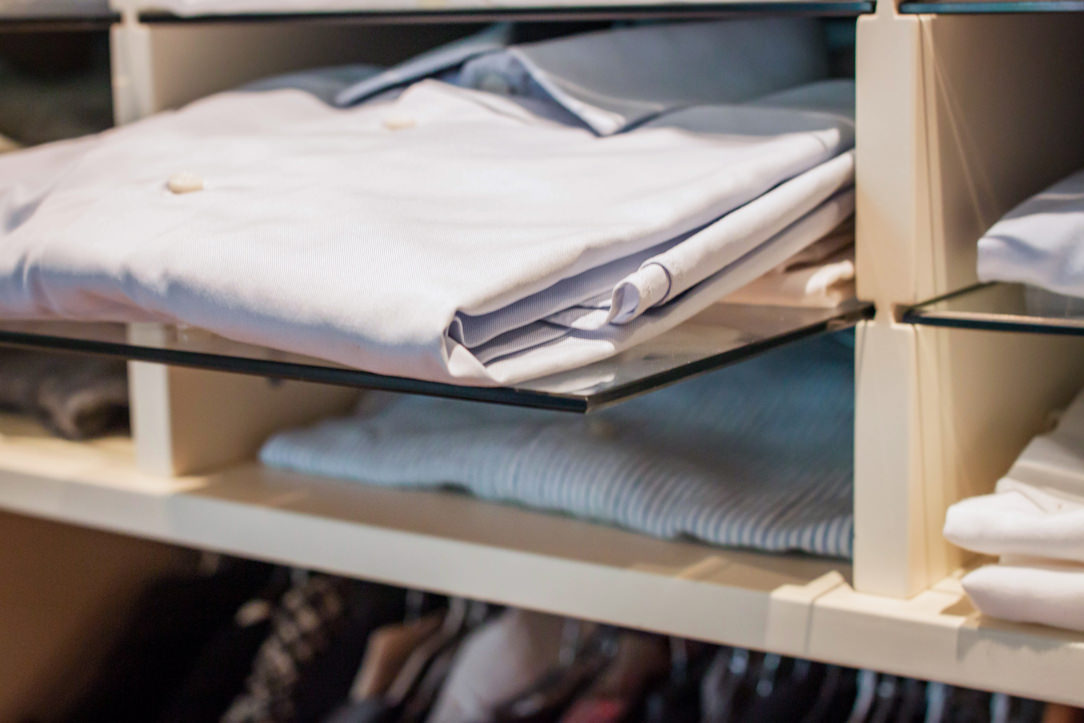
On the outside, the double-height hanger houses removable glass shelves in the center. These are particularly suitable for storing folded shirts using the external sliding mechanism to reduce the internal height between the trays.
In the central compartment, the large linen drawers are accompanied by a pair of shelves for folded items and hangers in the upper part.
The left compartment instead houses a double hanger to accommodate long dresses and coats whose greater height compensates for the reduced space reserved for folded trousers and skirts.

master-bedroom-wardrobe-open-tray-extractable
animation-opening-wardrobe-internal-composition-giving-new-life-furniture
internal-composition-wardrobe-hangers-pull-out-trays
detail-trays-removable-glass-wardrobe-bedroom
detail-trays-removable-glass-wardrobe
internal-wardrobe-double-hanger
internal-composition-wardrobe-hangers-drawers

Giving new life to furniture does not only mean rejuvenating it and making changes to its aesthetics. The bespoke design allows you to create furnishings that are versatile and able to adapt to new environments. Restoring a balance between aesthetic conformation in relation to the room and functional needs becomes the main goal.

If you want to deepen the theme of furniture flexibility, we suggest you this article in which series furniture and tailor-made solutions help each other!

Optimizing spaces with functional furniture: a studio apartment in Milan

Optimizing spaces with functional furniture: a studio apartment in Milan

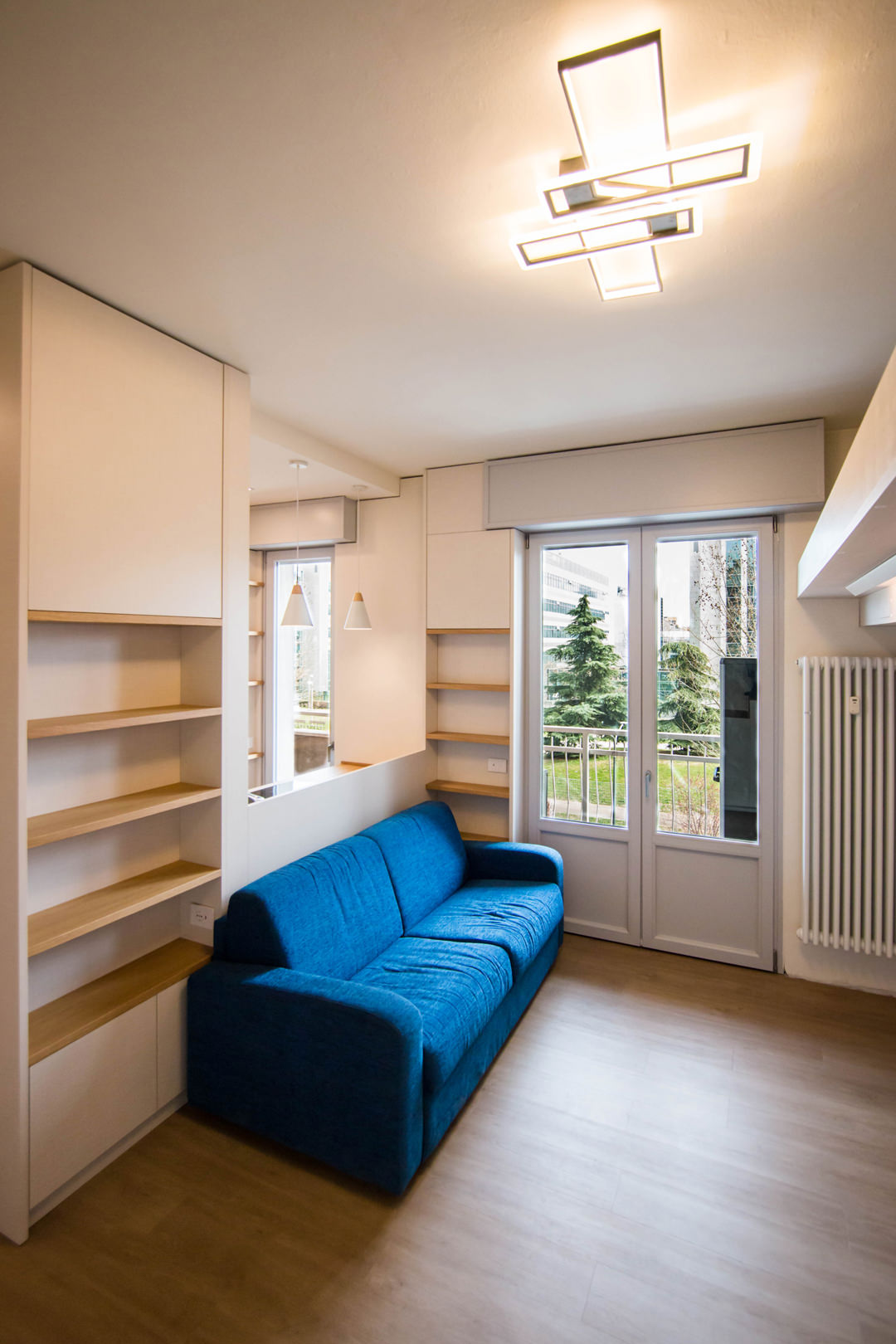
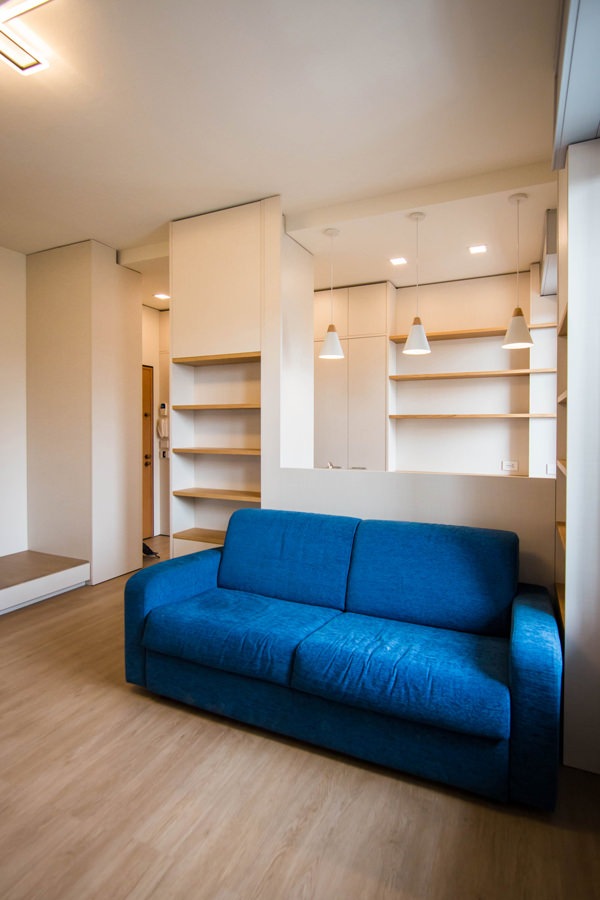
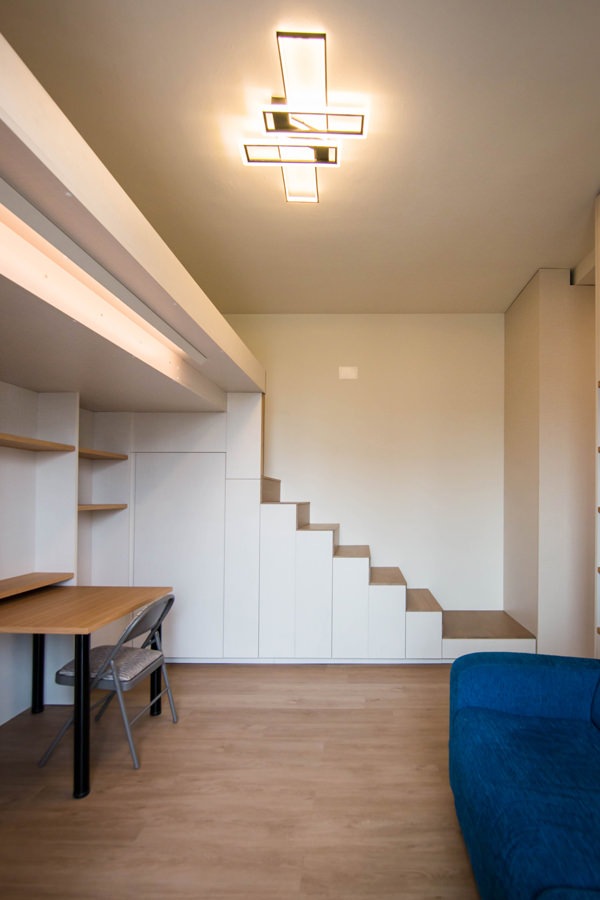
Optimizing space with functional furniture is the design intent of this studio apartment in Milan. The material selection expresses simplicity and naturalness, bringing a contemporary feel to the custom-designed interiors of this cozy home.

living-room-studio-apartment-open-table-position-optimizing-spoaces-with-functional-furniture
studio-apartment-with-furniture-to-optminize-space-01

A cozy looking studio apartment in Milan

We have already addressed the issue of living in small spaces with this minimal style apartment in the heart of Milan. After a few years, the need to optimize spaces has not lost interest but has instead increased the demand for functional furniture. The example of this studio apartment in the suburbs of Milan best expresses the concept of practicality combined with a natural aesthetic line.

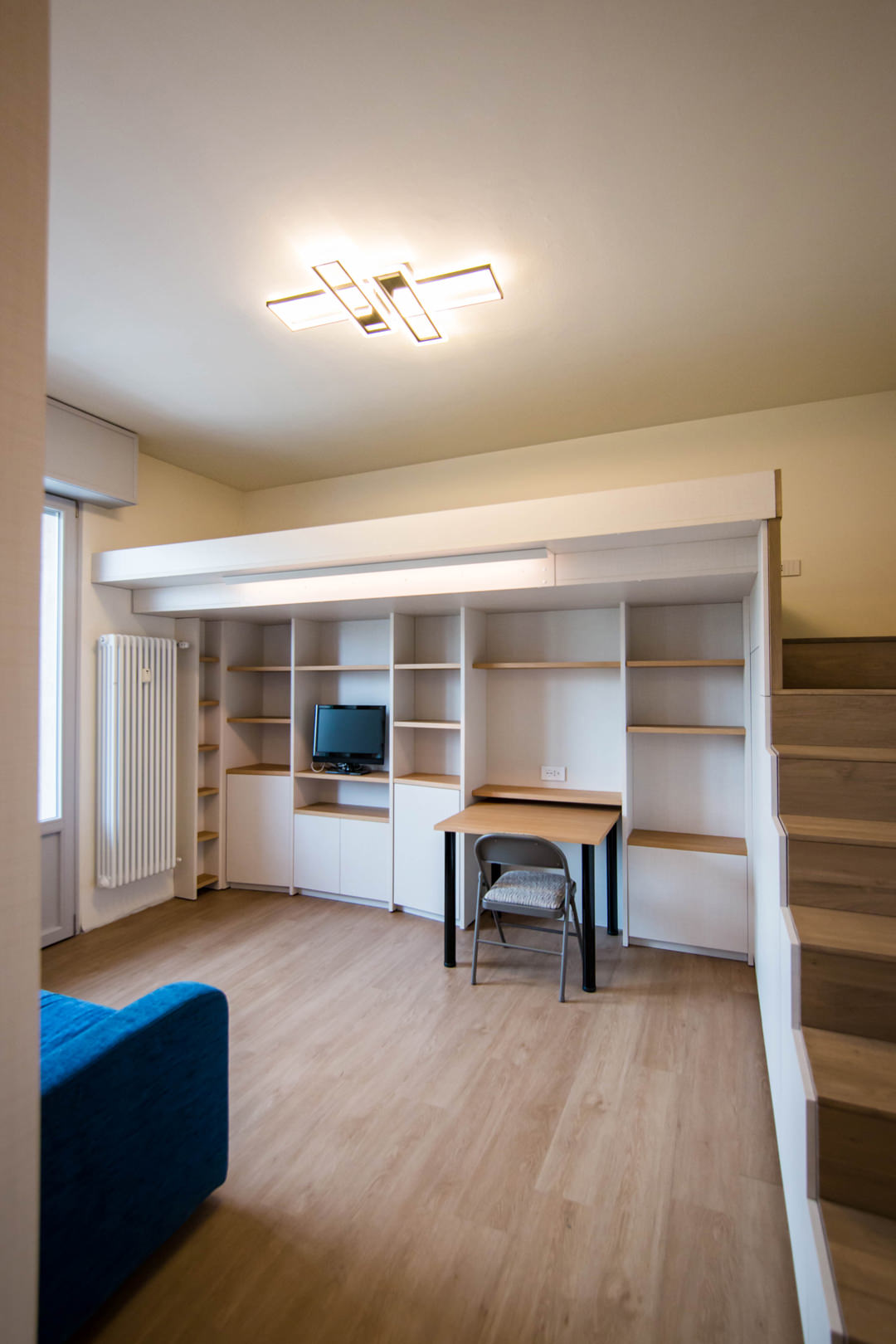
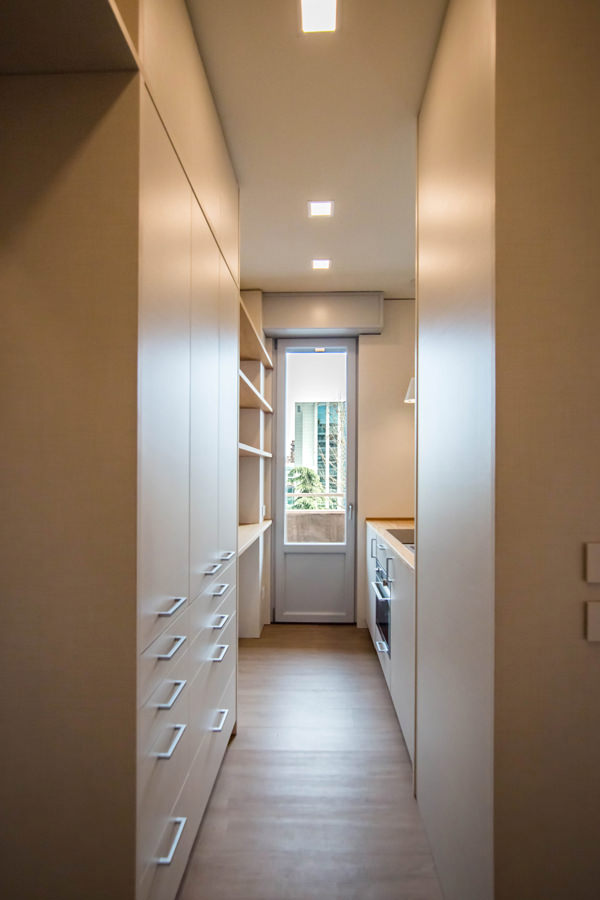
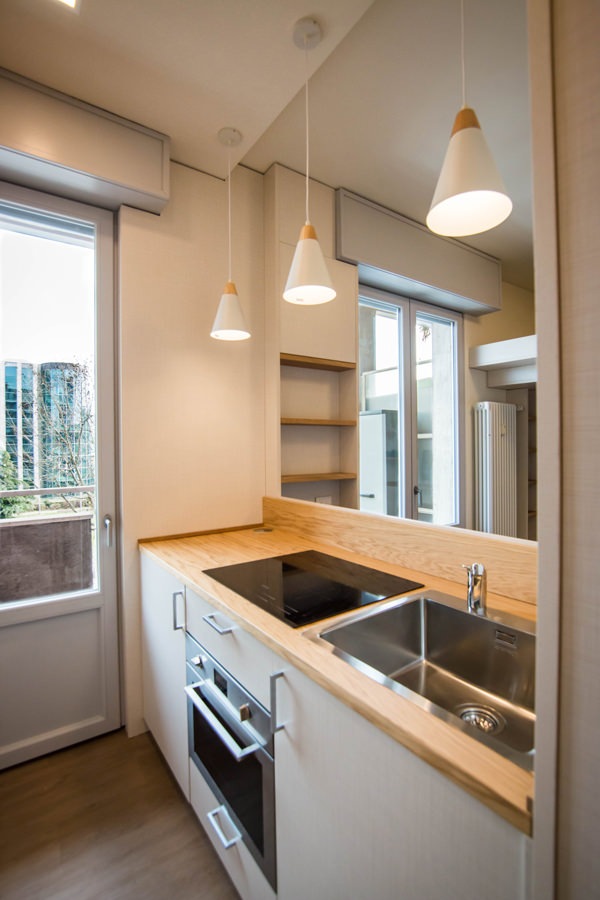
Starting from the original structure of the apartment, the renovation project began primarily with the spatial organization of the rooms. The entrance, working as a filter, acts as a pivot for the management of internal flows. From the front opens the view of the kitchen, essential but well equipped, which visually communicates with the loft living area where a large bed is located.

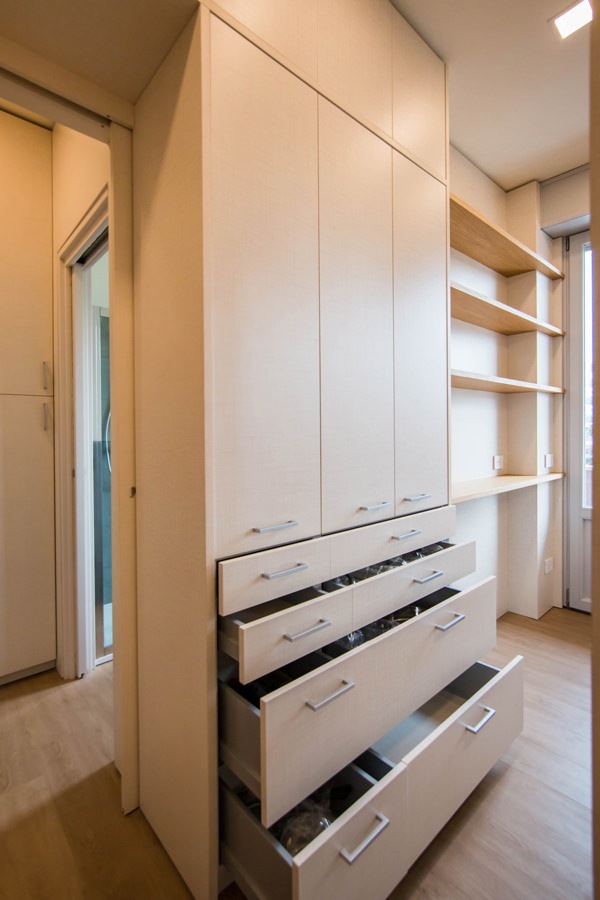
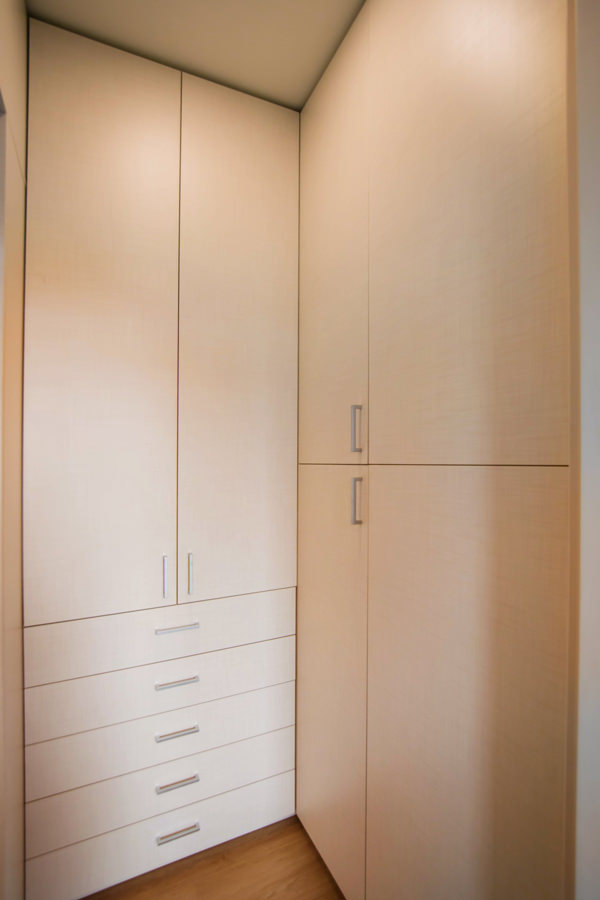
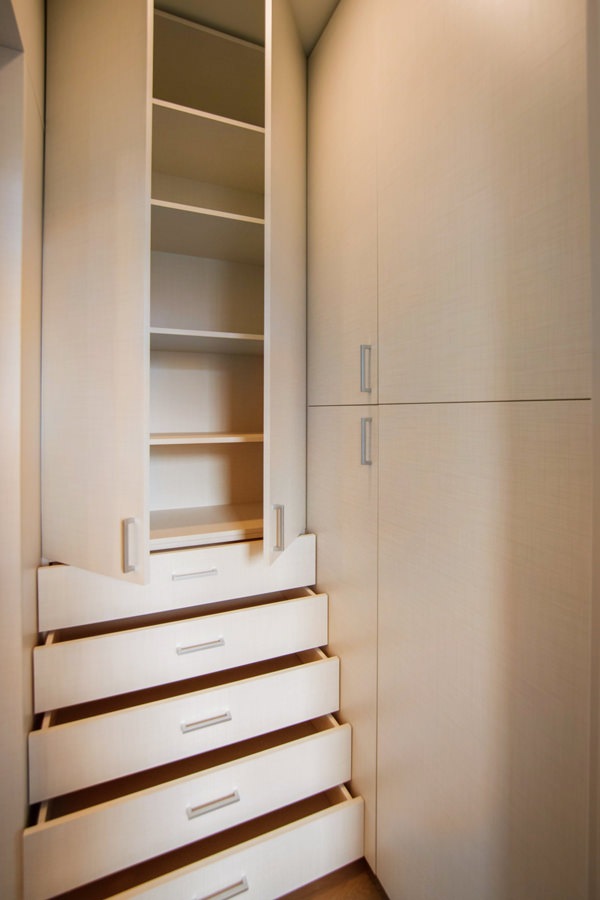
On the left of the entrance is the anteroom, equipped as a closet with service wardrobes. From here, direct access to the bathroom with a large glass shower and sink area with service cabinet.

equipped-columns-shelves-and-doors-living-room-optimize-spaces
equipped-wall-detail-furniture-to-optimize-spaces
living-room-desk-furniture-to-optimize-spaces
kitchen-access-with-full-height-doors-to-optimize-spaces
side-view-kitchen-with-windows-on-living-room-optimize-spaces-with-furniture

Optimizing space with custom-made furniture

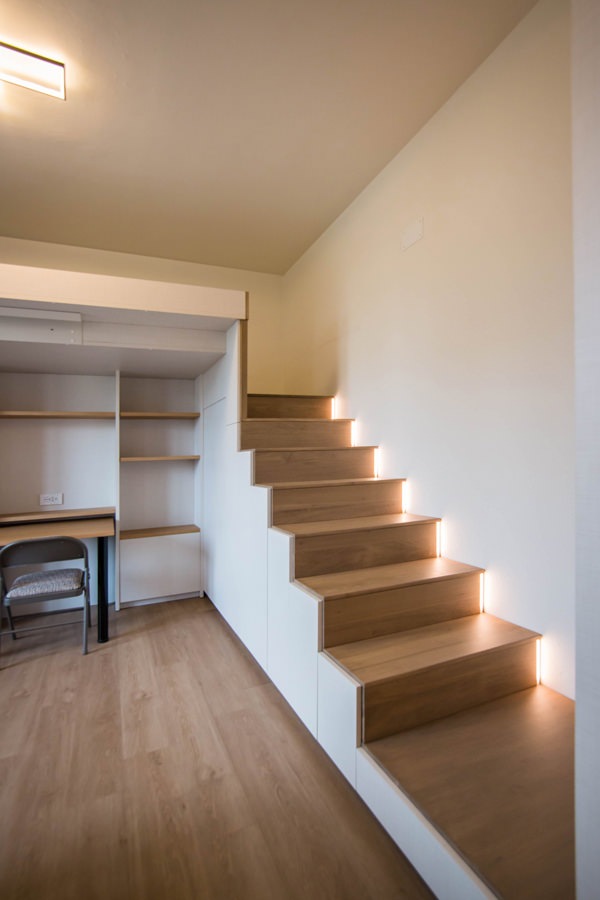
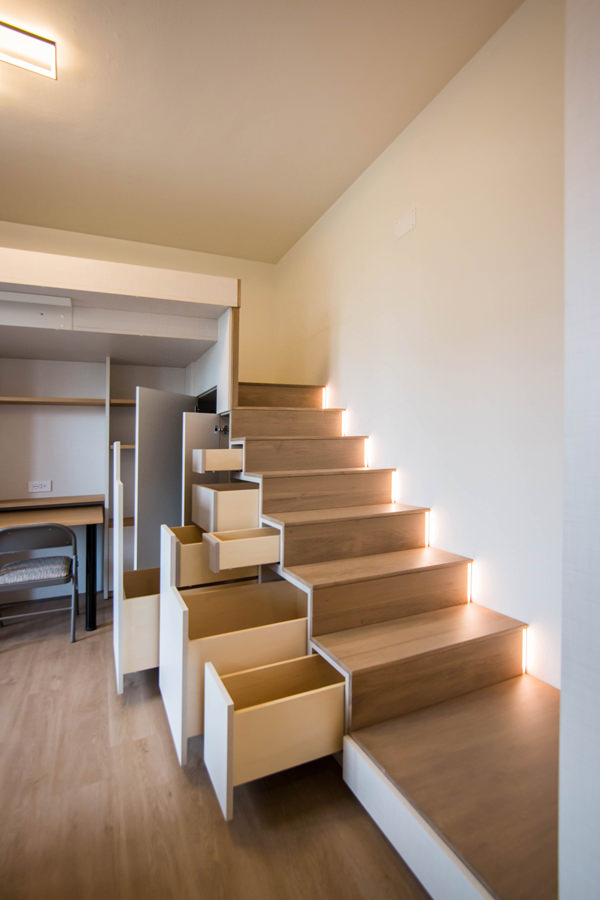
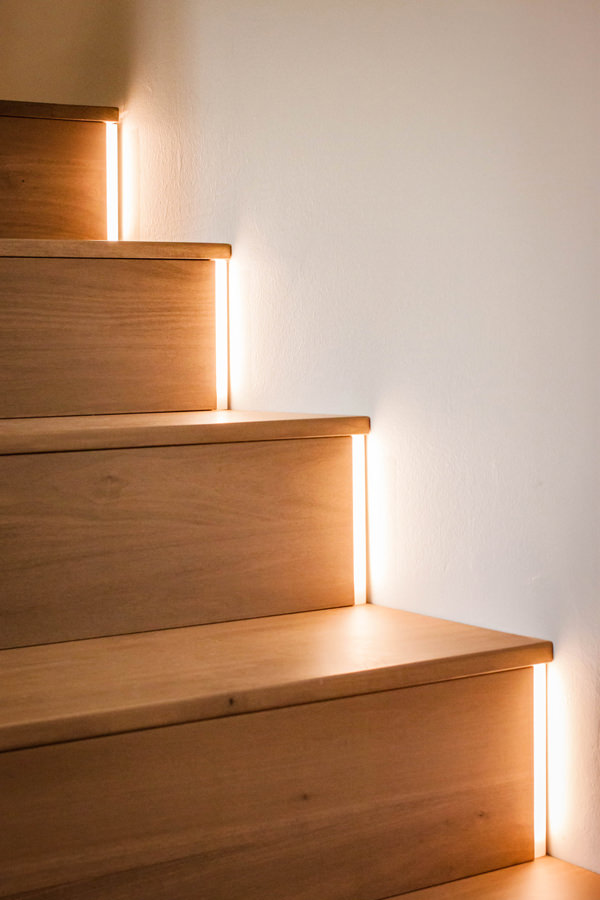
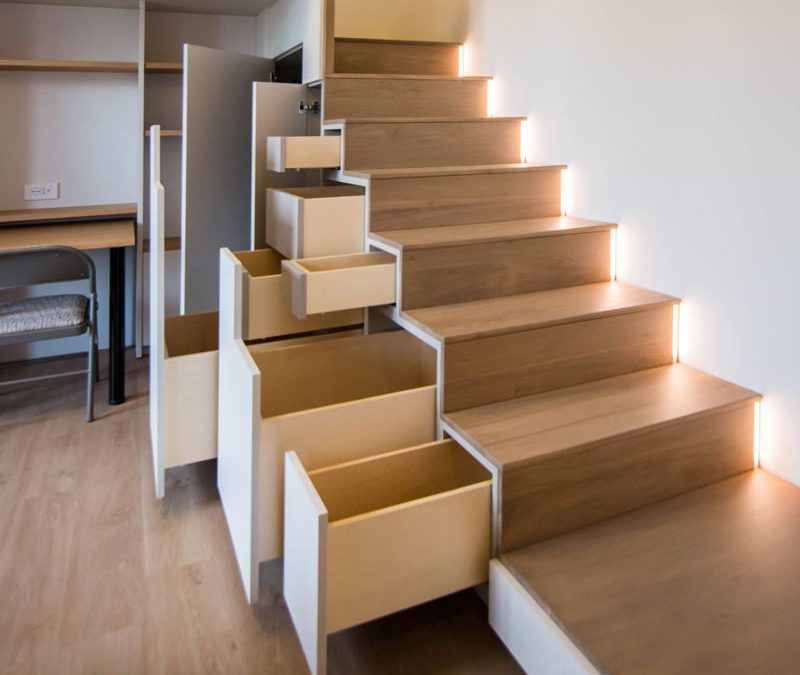
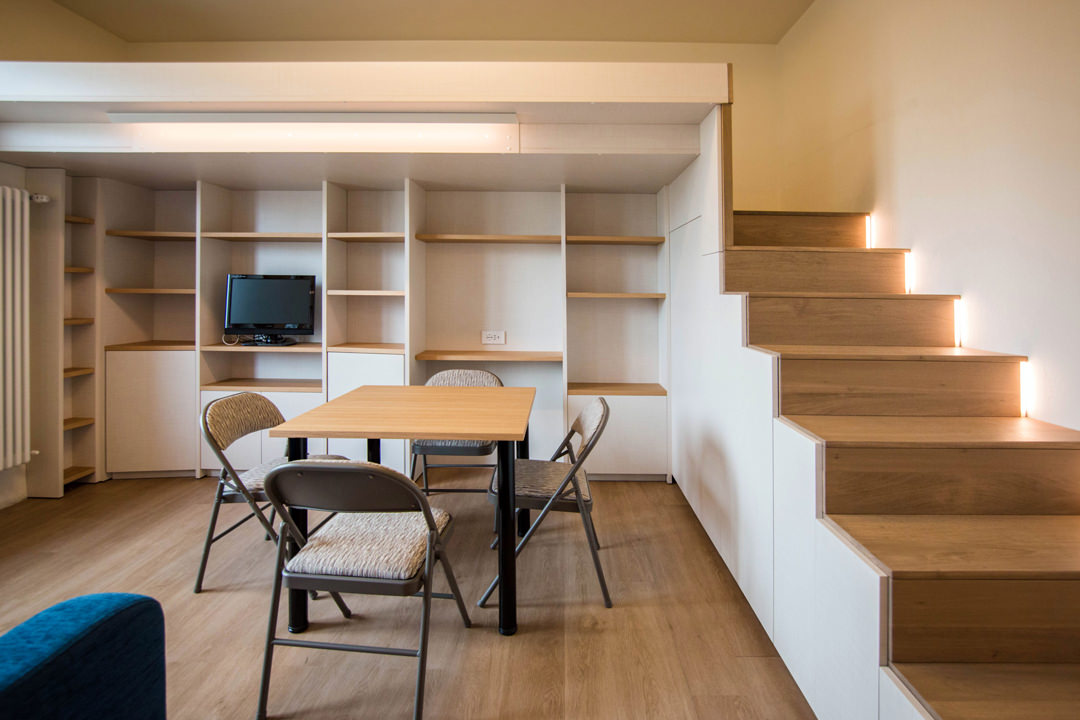
To make the most of the available space, the furniture of this studio apartment has been custom designed by obtaining service rooms from structural voids and architectural constraints. The best example is certainly the creation of the under-stairs compartment with doors and push-pull trays useful for arranging objects of various sizes. In fact, starting from the modularity of the risers and treads of the access ladder to the mezzanine, doors are created with a vertical reading whose opening takes place via push pull. Depending on the need, each internal compartment takes up the space of two or more steps, equipping itself with additional extractable volumes where necessary. From this perspective, the dining table can also be in a resting position, attached to the equipped wall of the TV area and used as a desk, or moved to the center of the room to accommodate other diners.

Even the equipped wall, to gain additional service space, is made up of three distinct modules, the sides of which are slightly inclined. The shaping of the different elements allows an optimal management of the architectural corners, also creating a greater sense of welcome.

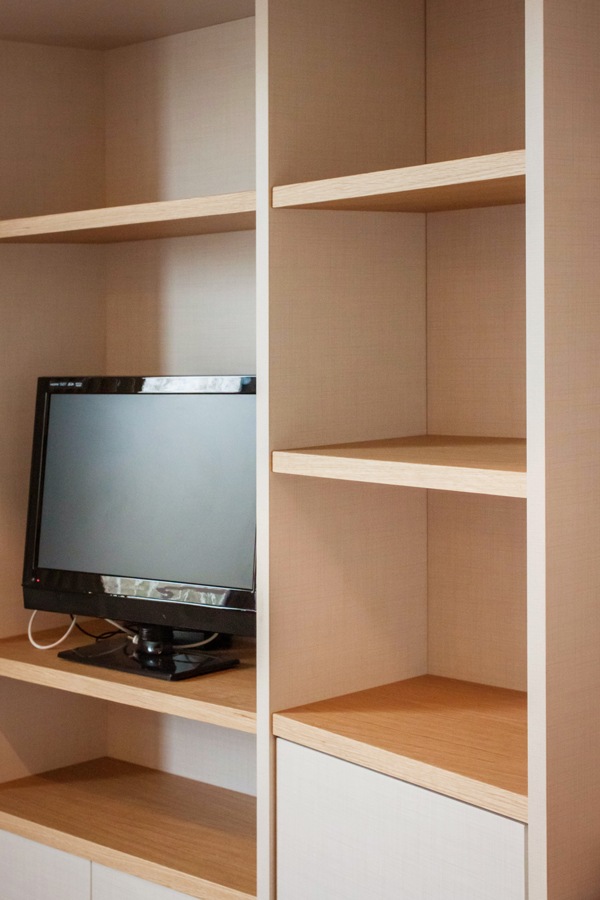
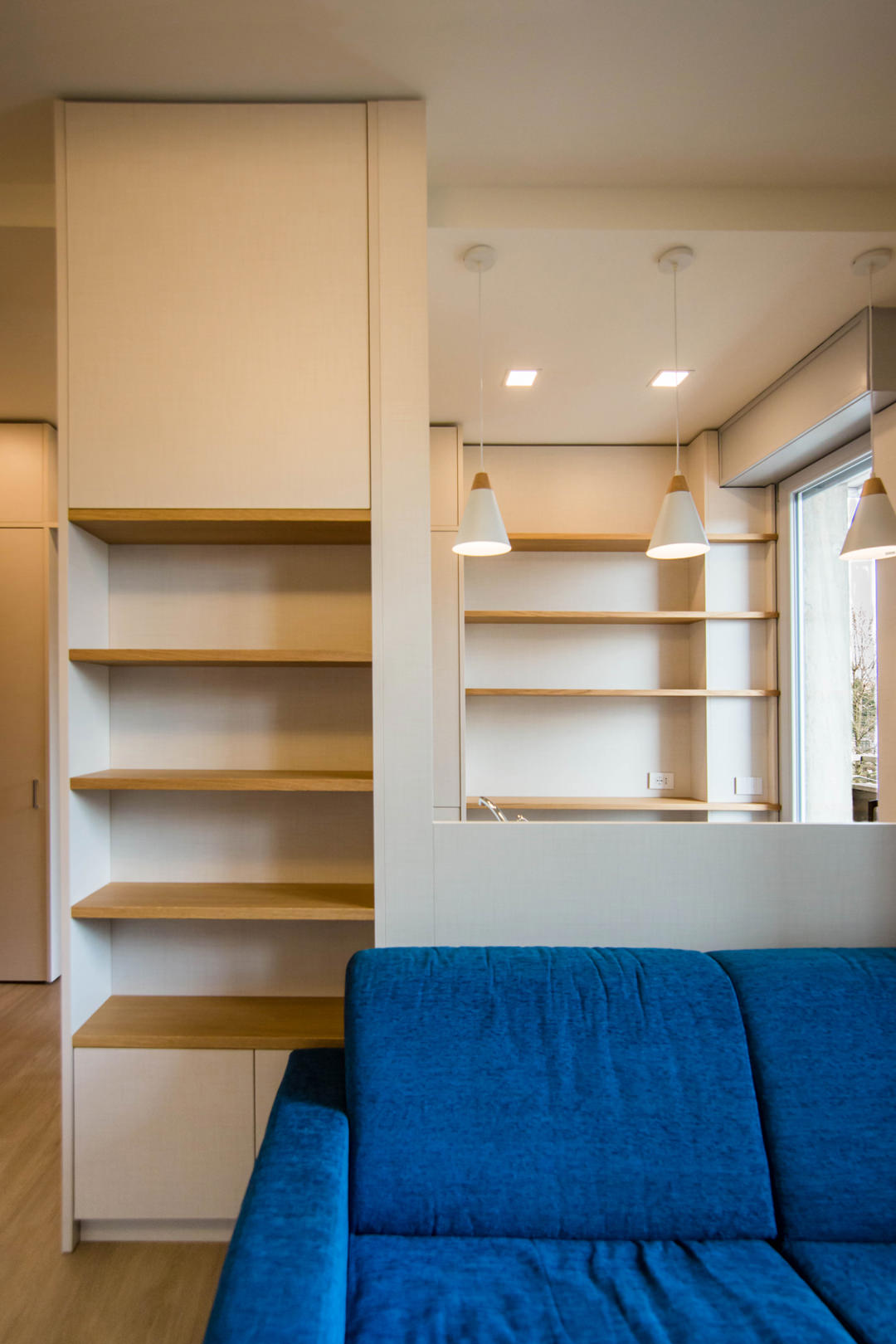
The architectural void then becomes the new design theme, equipping cavities and niches with shelves and open compartments. This is the case, for example, of the main pillar, incorporated in the dividing structure between the kitchen and the living area. The lower part houses internal shelves accessible through a door with push opening, while the upper part consists of exposed shelves in the niche.

under-stairs-equipped-closed-doors
under-stairs-equipped-open-doors-to-optimize-spaces-with-furniture
living-room-studio-apartment-milan-natural-material
front-view-equipped-under-stairs-compartments
kitchen-doors-to-organize-spaces-drawers-furniture-to-optimize-space
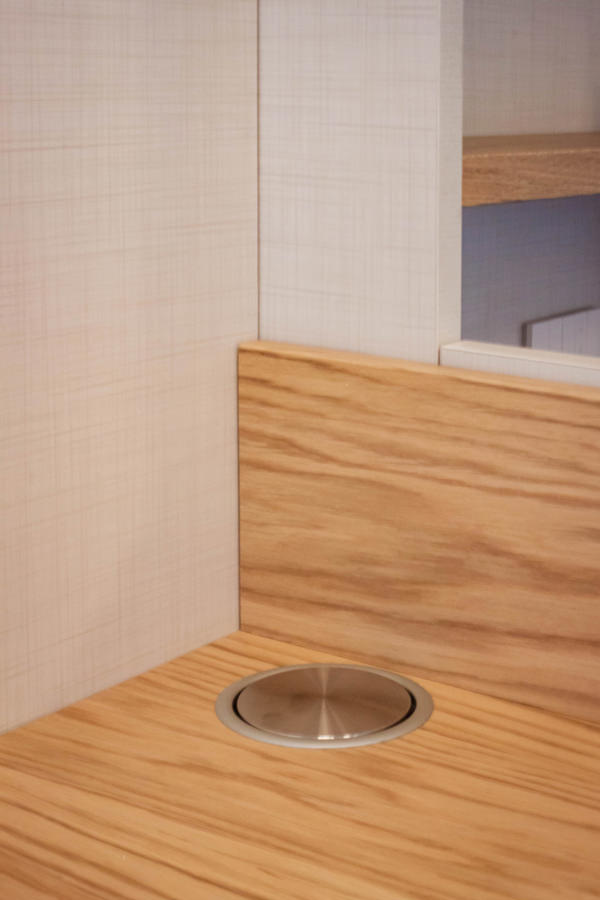
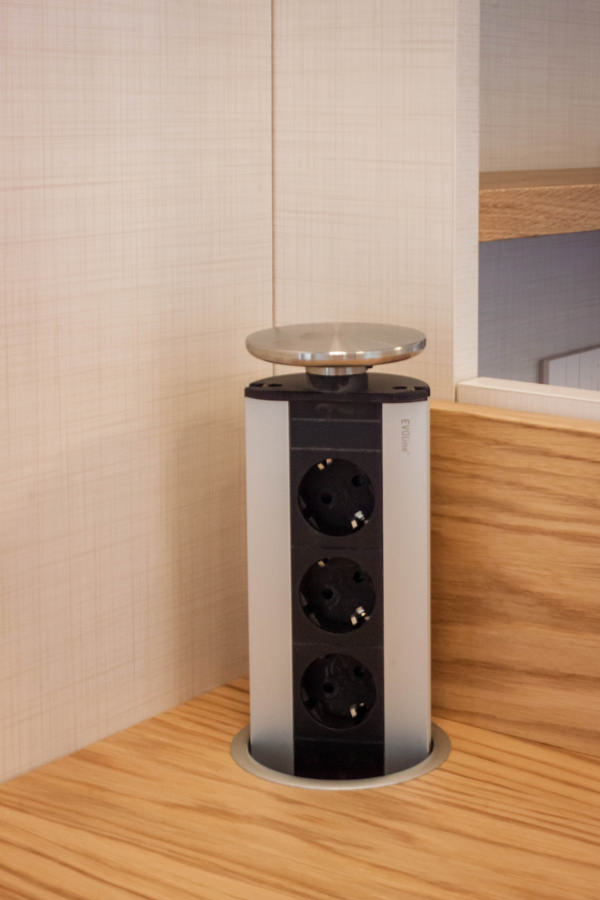
electrical-tower-down
eletrical-tower-up

Functional but also conceptual steps

Another focal point is the anteroom, which from an environment required by law also becomes a useful space for the storage of cleaning products and service cabinets. Drawers and doors with height-adjustable internal shelves are used for the products storage of different sizes.

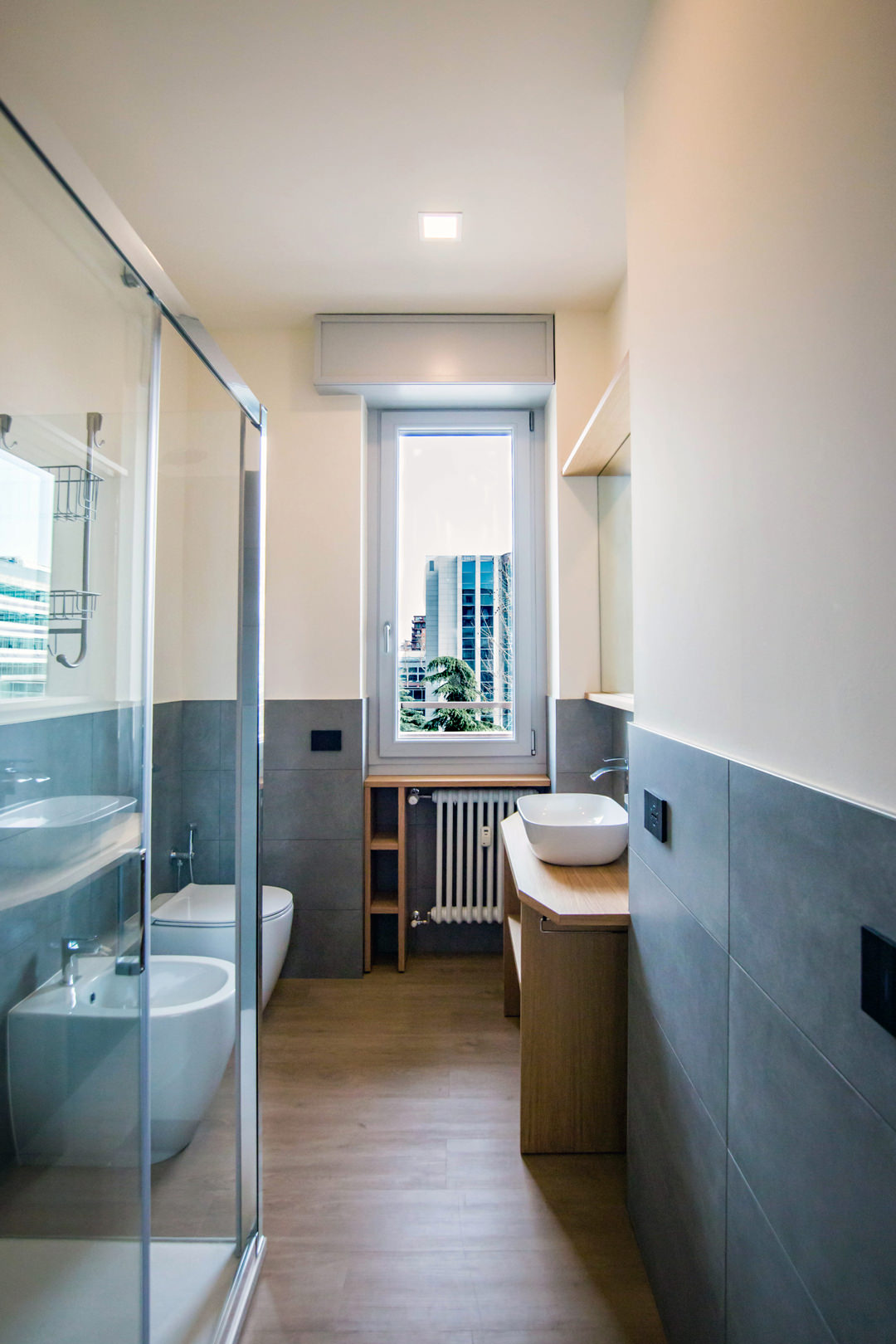
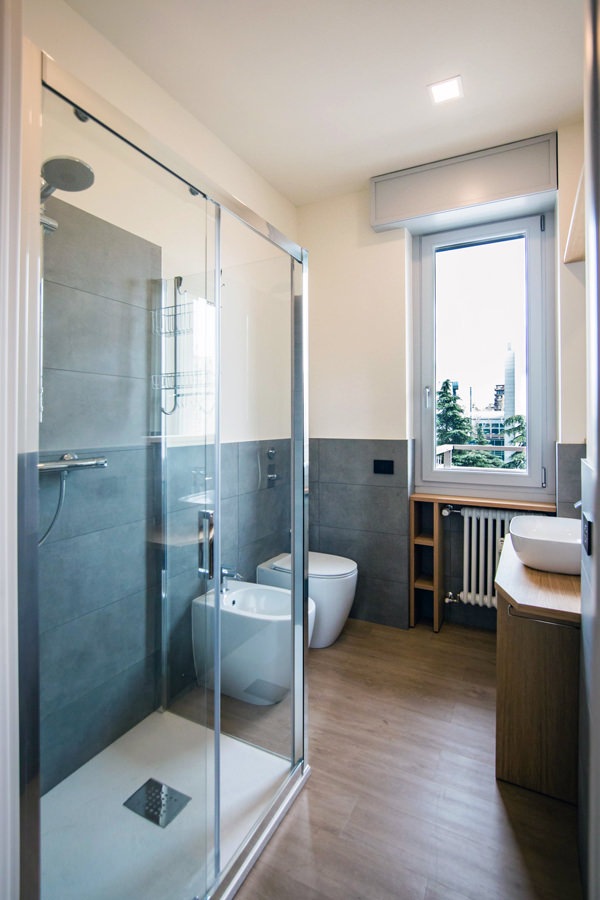
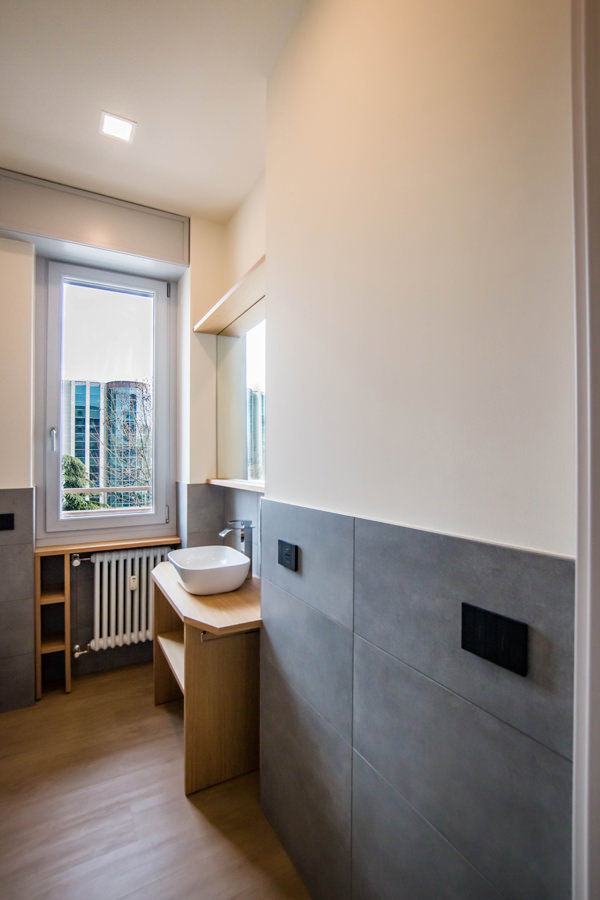
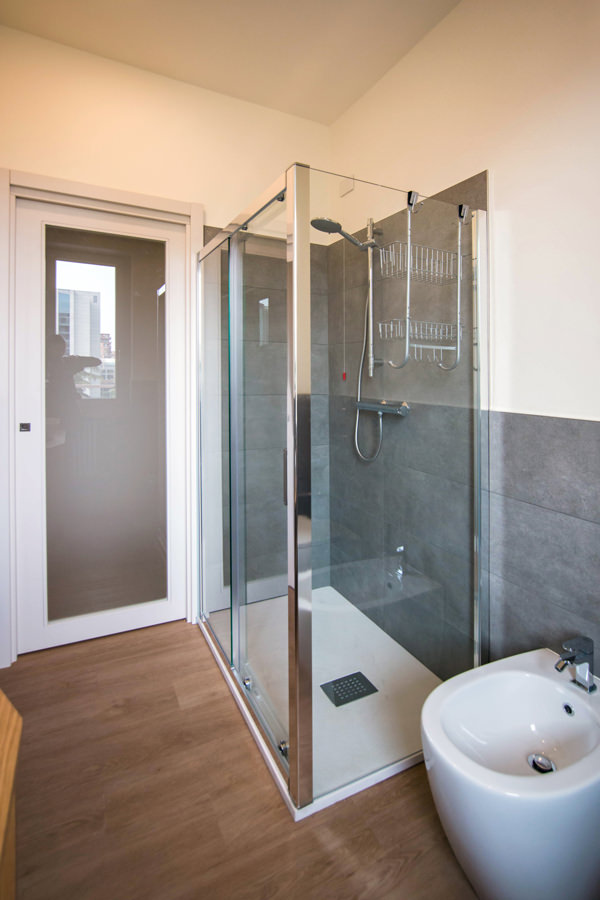
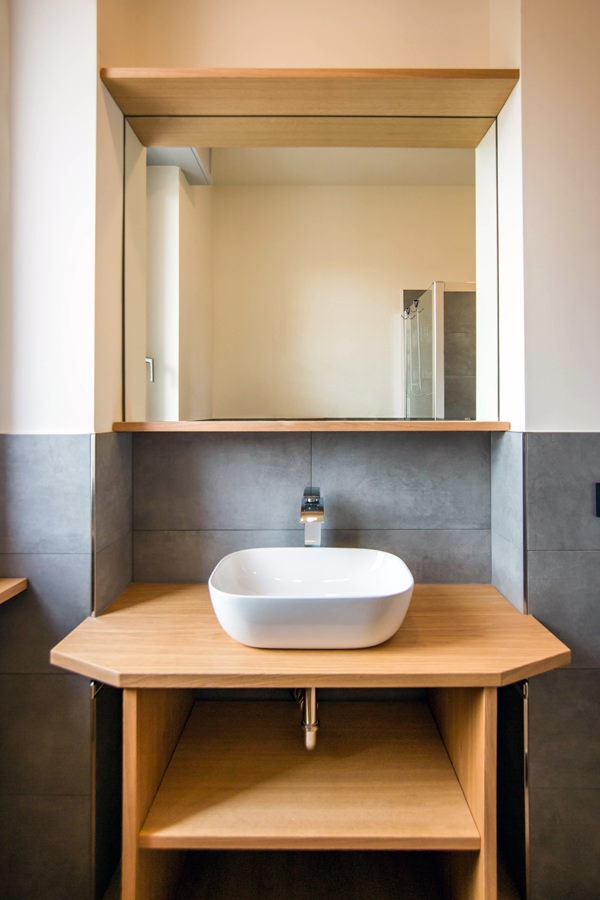
Even in the bathroom, the design of the furnishings in order to make them functional gives life to a large and bright environment. The change of flooring marks the transition not only physical but also conceptual and visual to a more intimate and reserved environment. The front view on the window offers ample natural lighting, diffused throughout the room thanks to the choice of materials. The glass closure of the shower minimizes the aluminum details, while the large mirror attached to the service cabinet expands the perception of space.

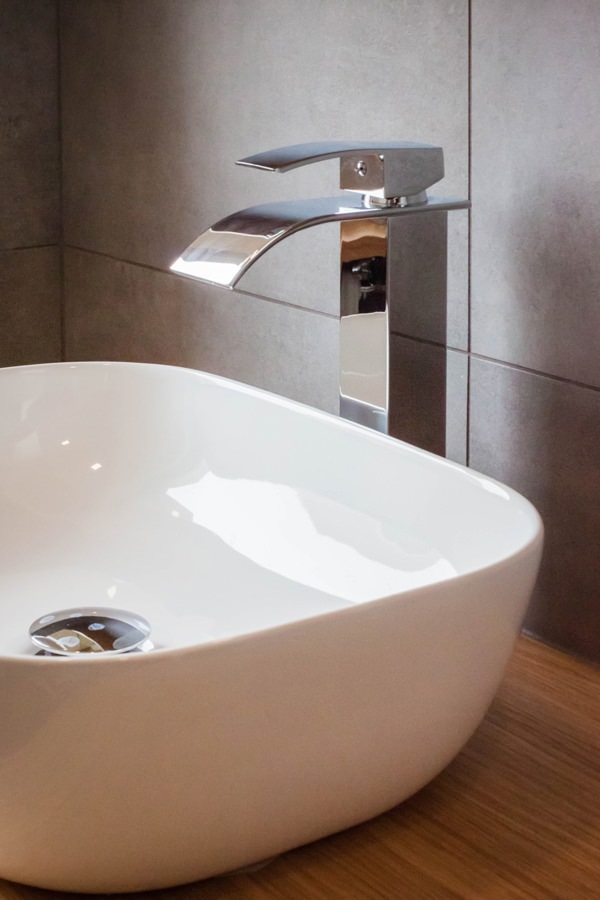
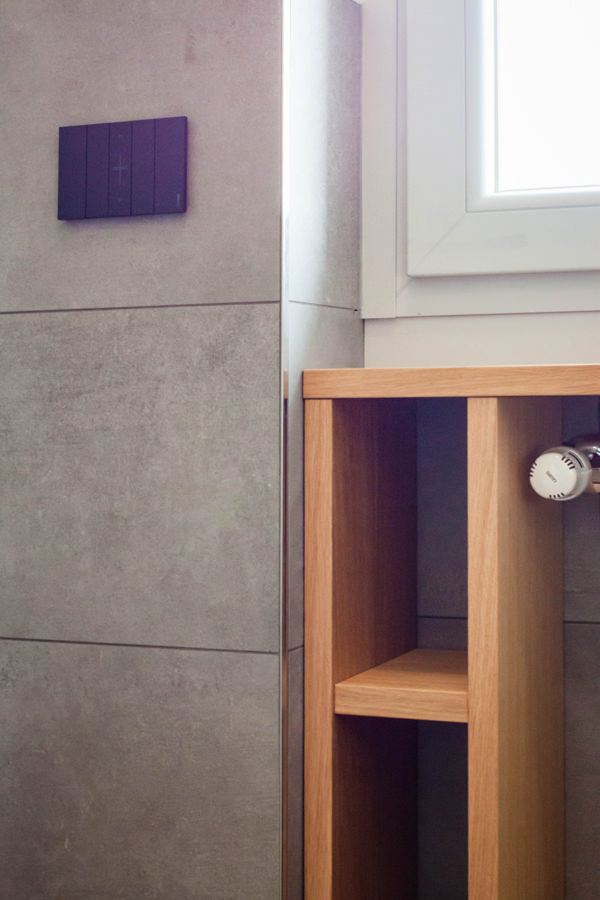
Optimizing the space in the bathroom means taking advantage of all the service cavities: an example is the open oak cabinet under the window. The service shelves for toilet paper and small personal hygiene products in wooden finish in fact obtain their space on the side of the radiator, without however being oppressive. Small accessories such as the pull-out towel holder enrich the functionality of an aesthetically simple and clean bathroom cabinet. Simple and authentic forms are thus valued.

equipped-anteroom-service-cabinet
optimize-spaces-with-functional-anteroom
contemporary-bathroom-gray-furniture-to-optimize-spaces
contemporary-bathroom-glass-door-shower
bathroom-studio-apartment-milan-optimize-spaces
glass-shower-bathroom-contemporary-gray
shaped-furniture-wood-bathroom

Natural colors and materials for a contemporary studio apartment

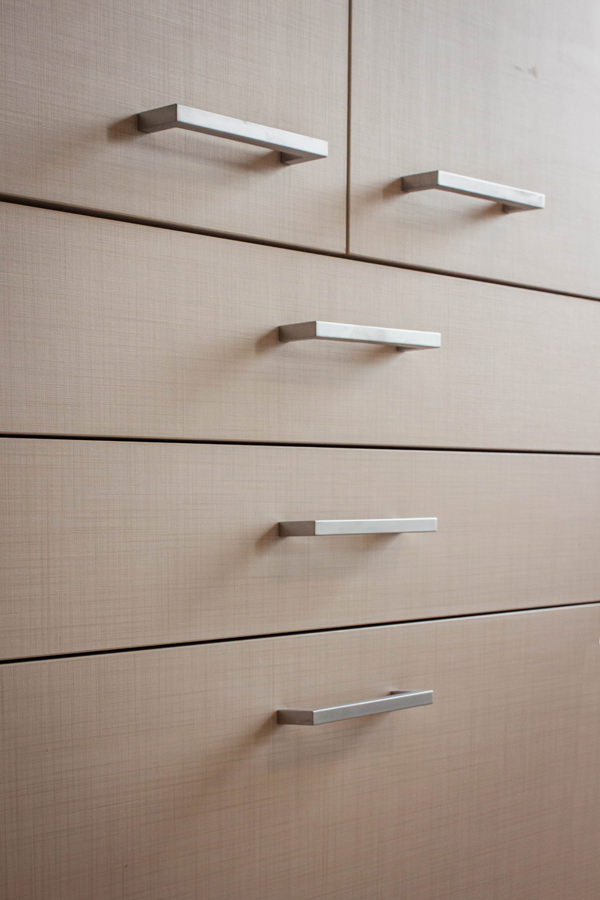
The practicality of the furnishings is not only found in their composition and spatial arrangement, but also in the choice of materials that characterize them. For horizontal surfaces, the choice fell on oak, a natural wood par excellence with great resistance and workability characteristics. Its aesthetic line with warm veins makes it welcoming and transmits spontaneity and tradition. From the parquet floor to the kitchen top and shelves of the open compartments, its presence becomes the touch of authenticity of the stylistic line adopted. For the vertical surfaces, on the other hand, the canvas bilaminate was chosen, whose warm but neutral tones make it delicate but incisive at the same time. Among the major advantages of this material, it certainly has high resistance combined with a very affordable price. Its finish also makes it soft to the aesthetic impact and textured to the touch, expressing attention to detail.

detail-LED-light-stairs
detail-canvas-bilaminate-doors
bathroom-countertop-basin-design-tap
detail-customed-bathroom-furniture

The renovation of this studio in Milan involved all levels of reading of the project. From the planimetric distribution of the rooms to the choice of materials and finishes. The choice of functional furniture allows you to optimize spaces by providing environments that are not only aesthetically pleasing but also practical and easily livable.

Architectural voids and structural elements hide great potential, just look at them with creative eyes!

To see other examples of small rooms optimized in spaces with functional furnishings, you can take a peek at this minimal style studio apartment or at this shabby chic style creation