Design Week 2026 seems to have chosen a clear direction. Not one of disruption, nor of extreme spectacle, but rather one of reassuring continuity.
The intuitions of recent years are becoming more defined, more confident, more mature. Contemporary design appears to have paused to reflect on what truly matters: the relationship between space, wellbeing, and materiality. As if, in a present shaped by constant change, the way we inhabit spaces had felt the need to reconnect with a few essential certainties.
The result is a softer, quieter, more human design language.
A return to the past that is not driven by nostalgia, but by the possibility of imagining a more harmonious future.
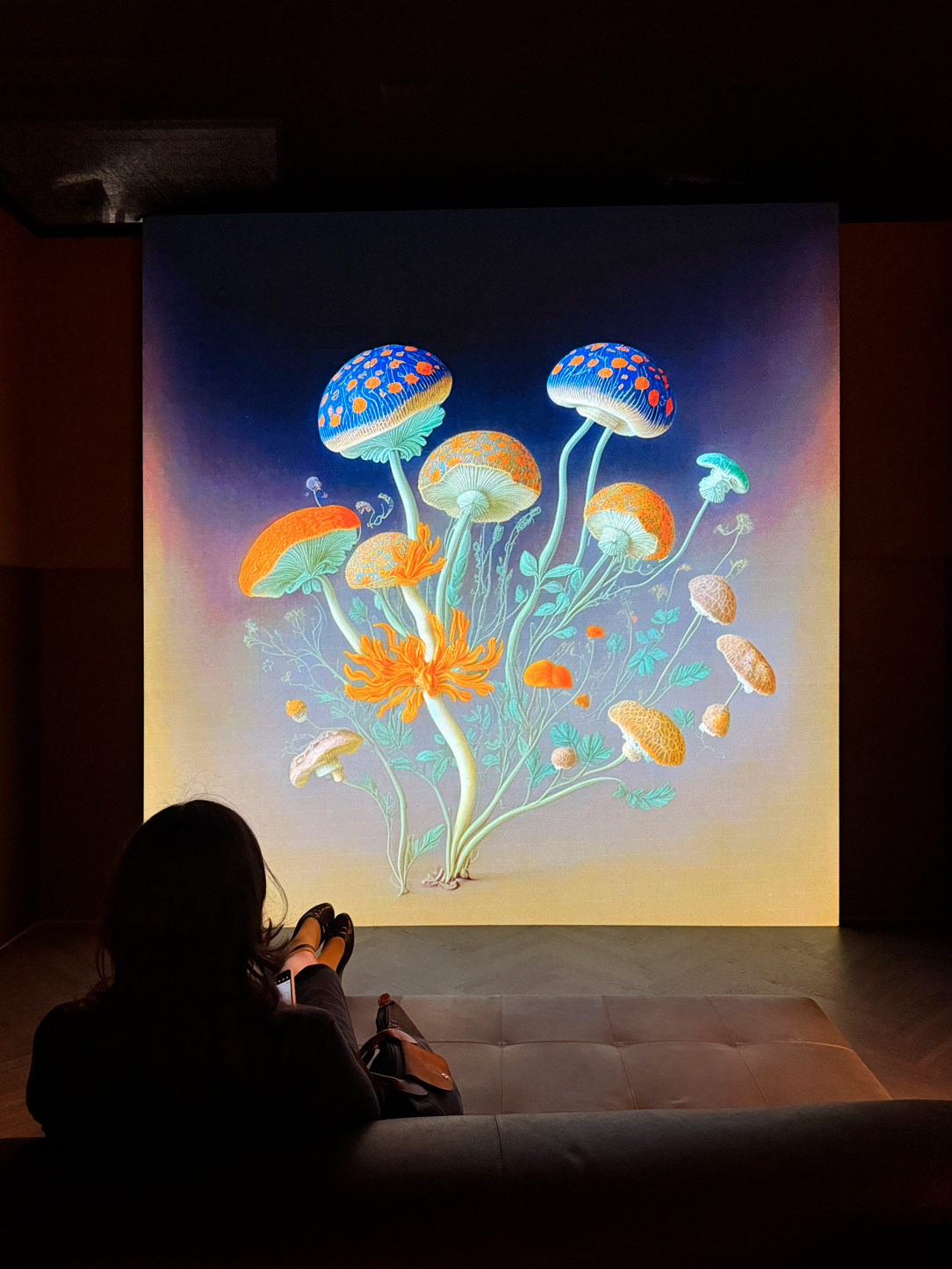
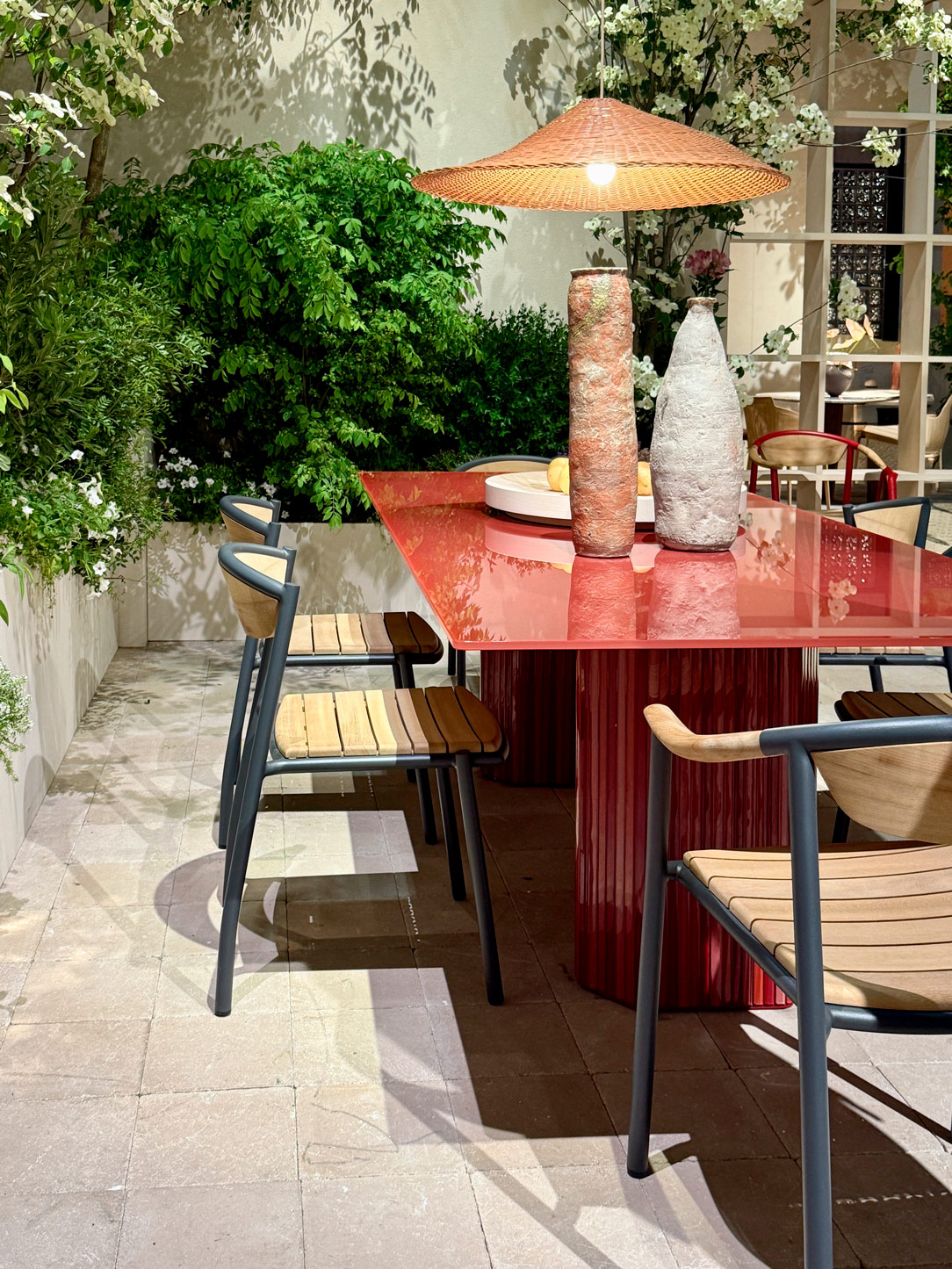
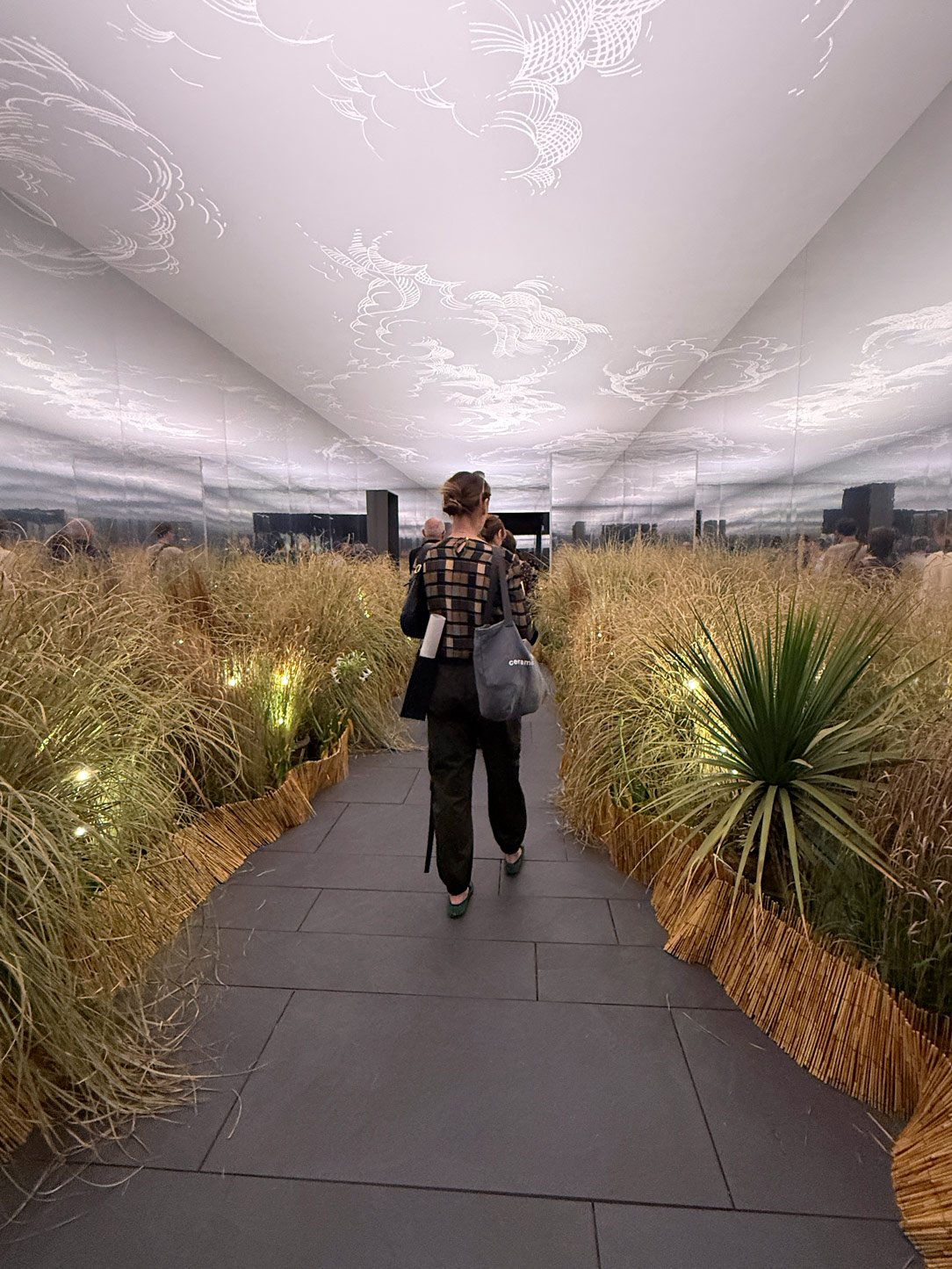
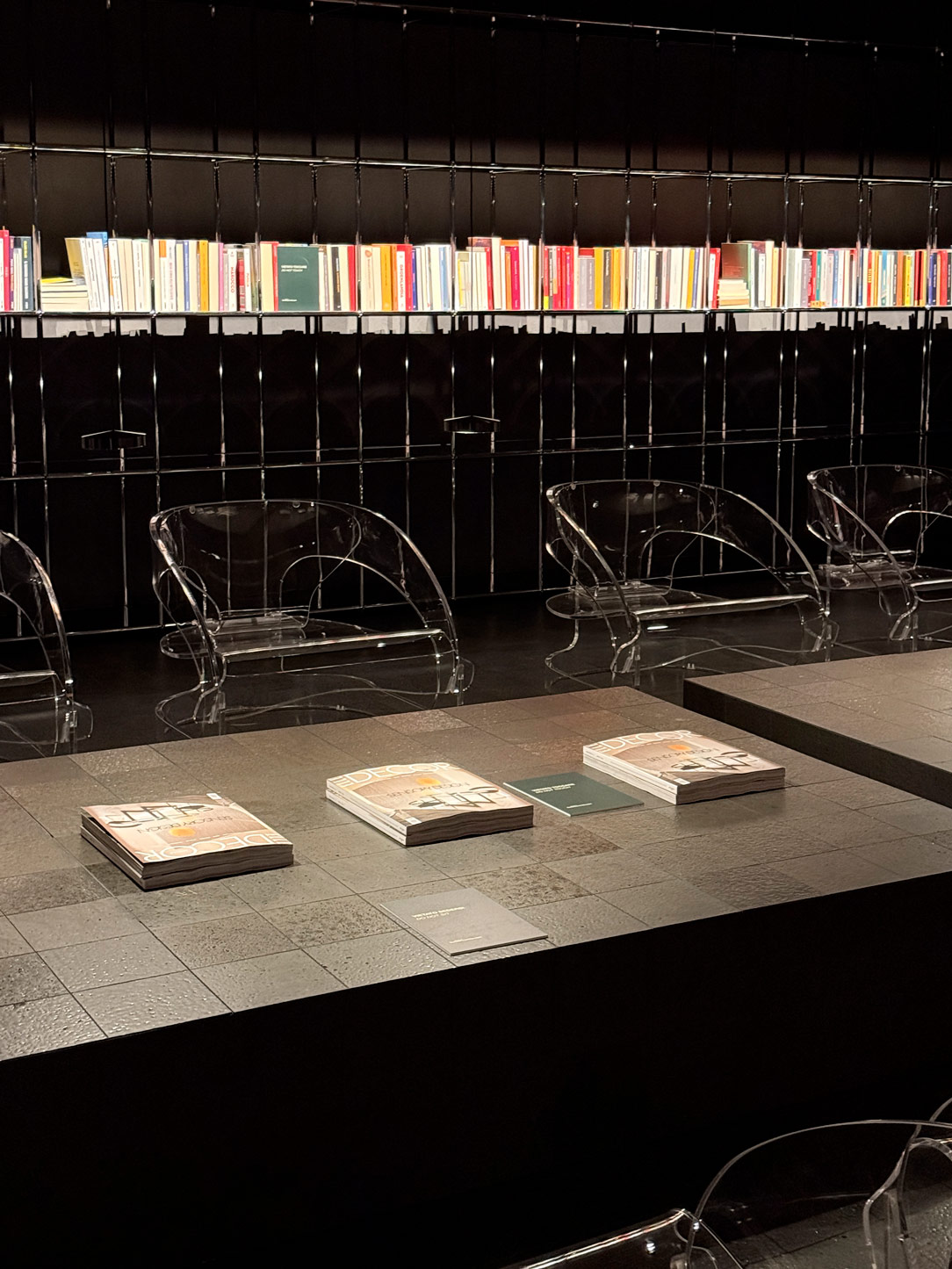
“Sensory Landscape” by Elle Decor at Palazzo Bovara
The Comfort of Materials: Wood, Stone, and Surfaces Meant to Be Lived
If there is one element that defines Design Week 2026, it is undoubtedly materiality.
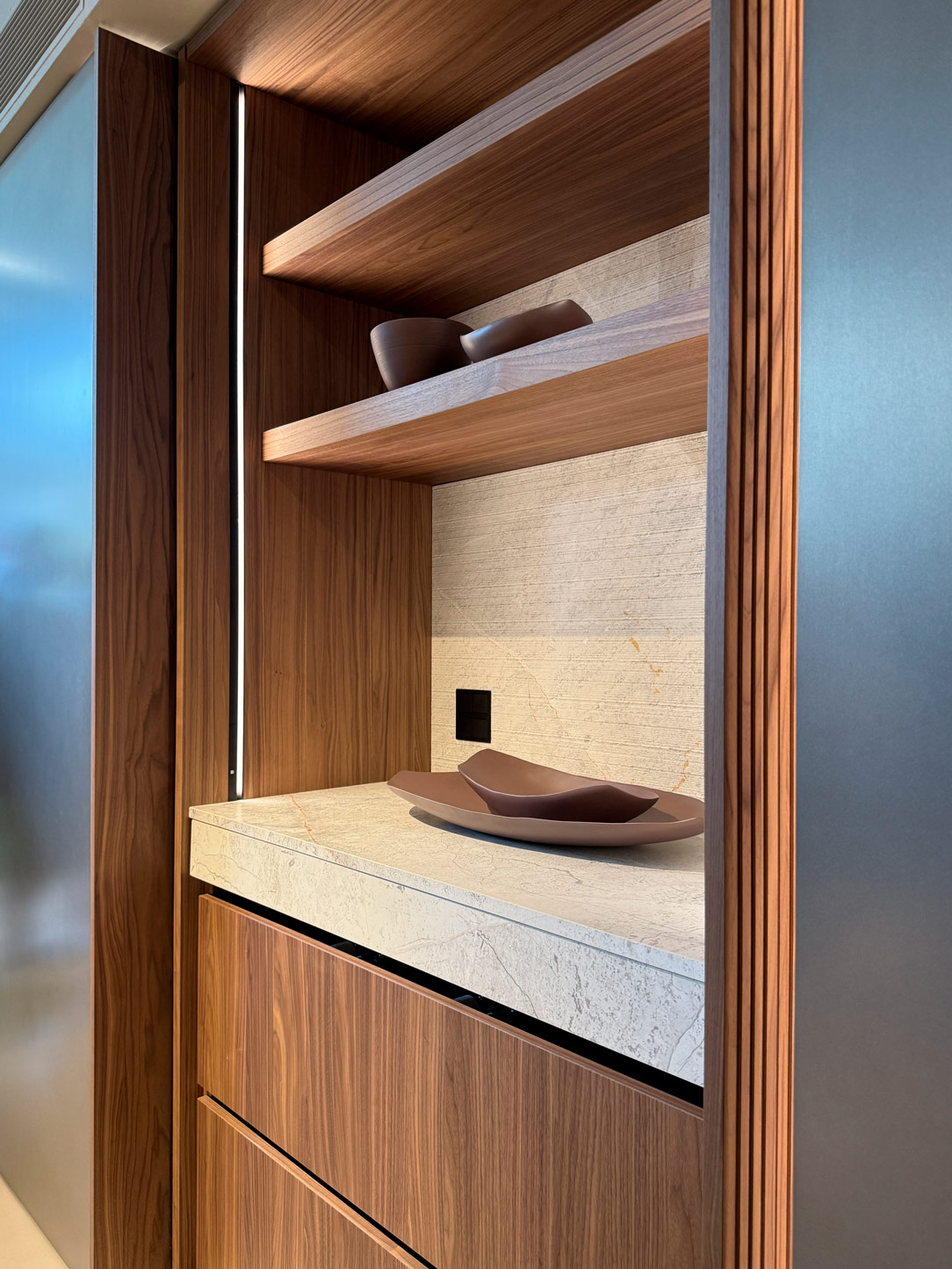
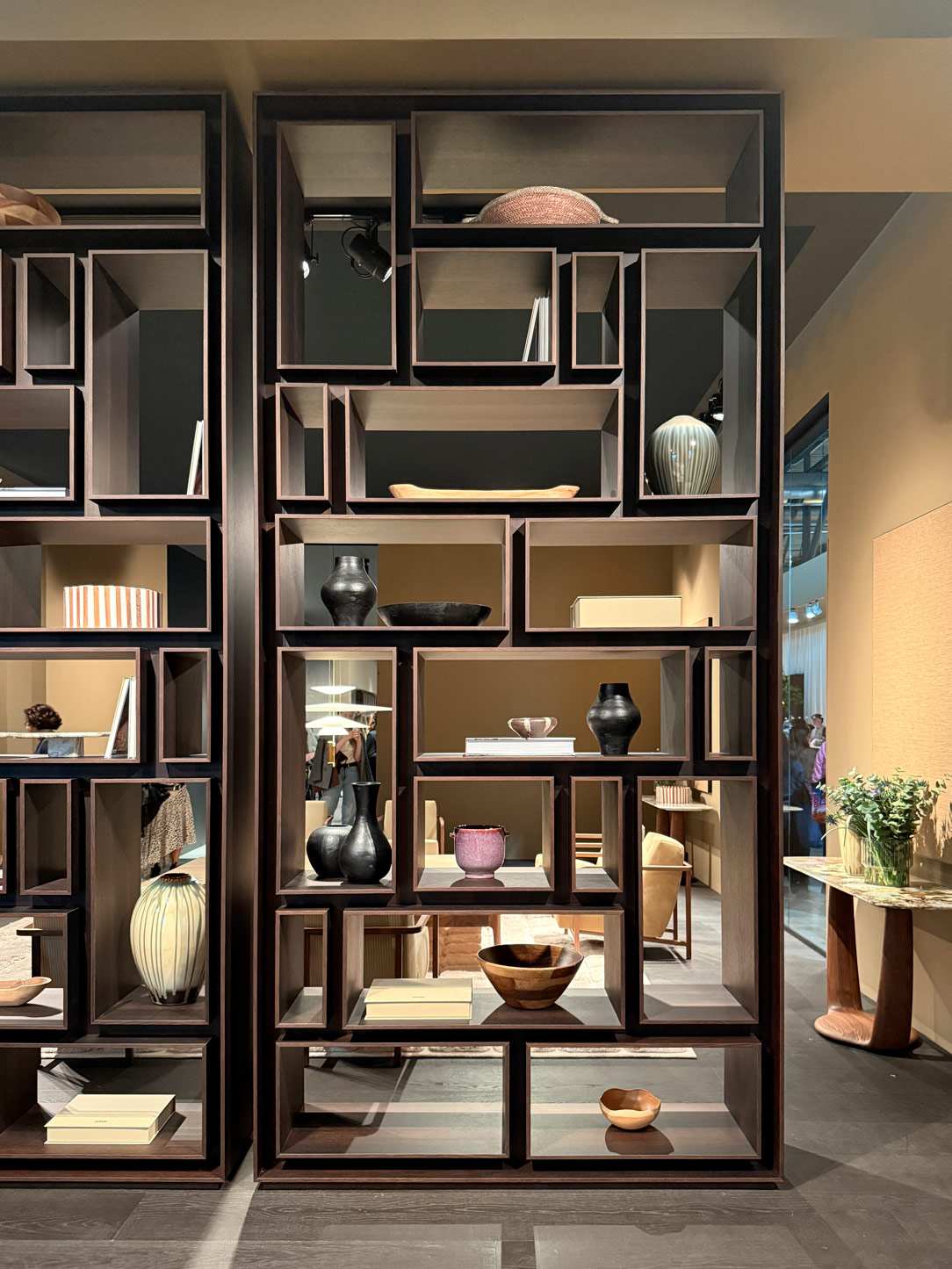
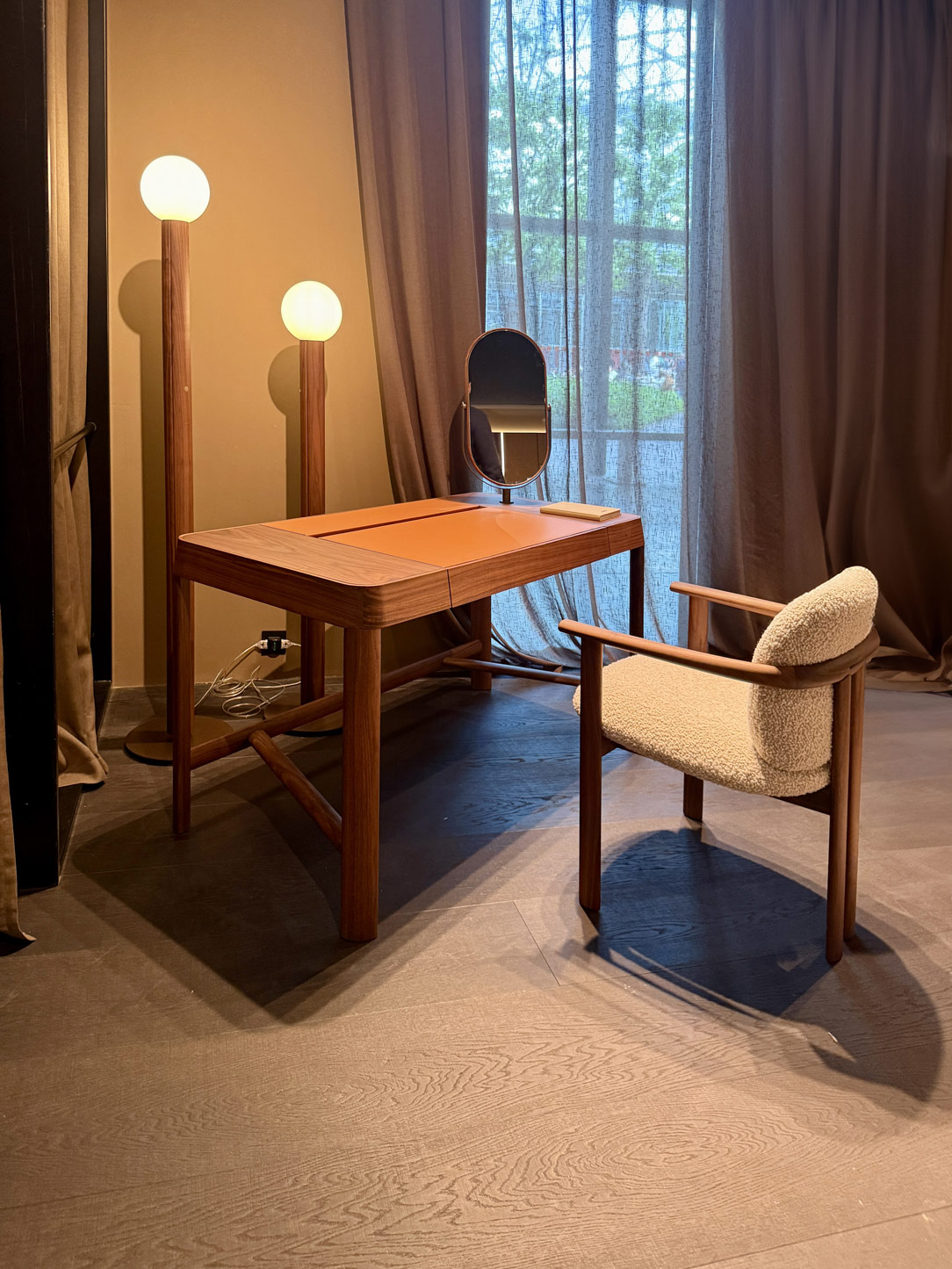
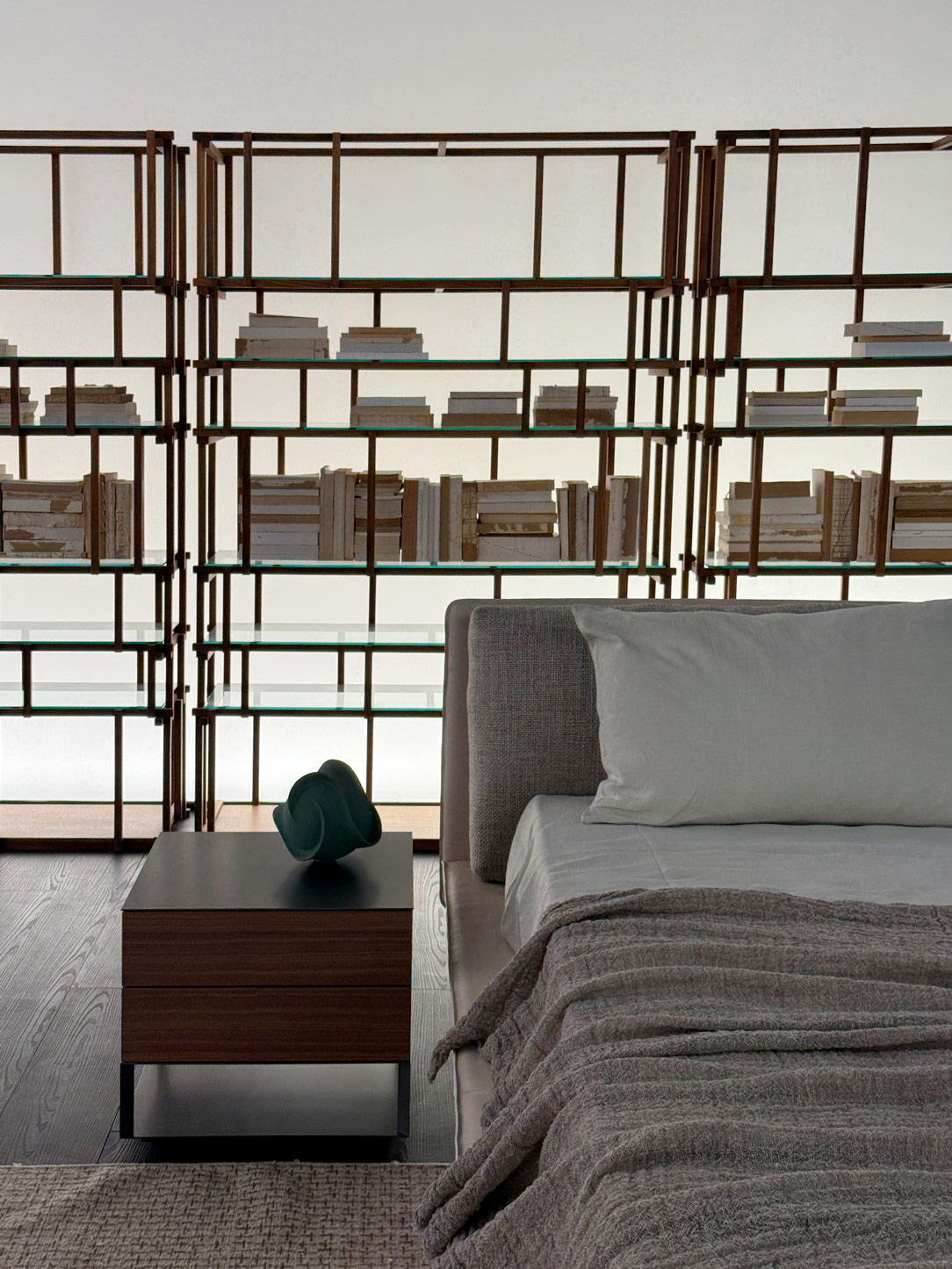
Wood continues to take centre stage, yet the way it is interpreted has evolved. No longer merely an aesthetic surface, it becomes a living presence — capable of conveying warmth, familiarity, and comfort. Finishes appear softer to the eye, tactile, often matte, shaped by natural tones that seem to restore a sense of balance within interiors.
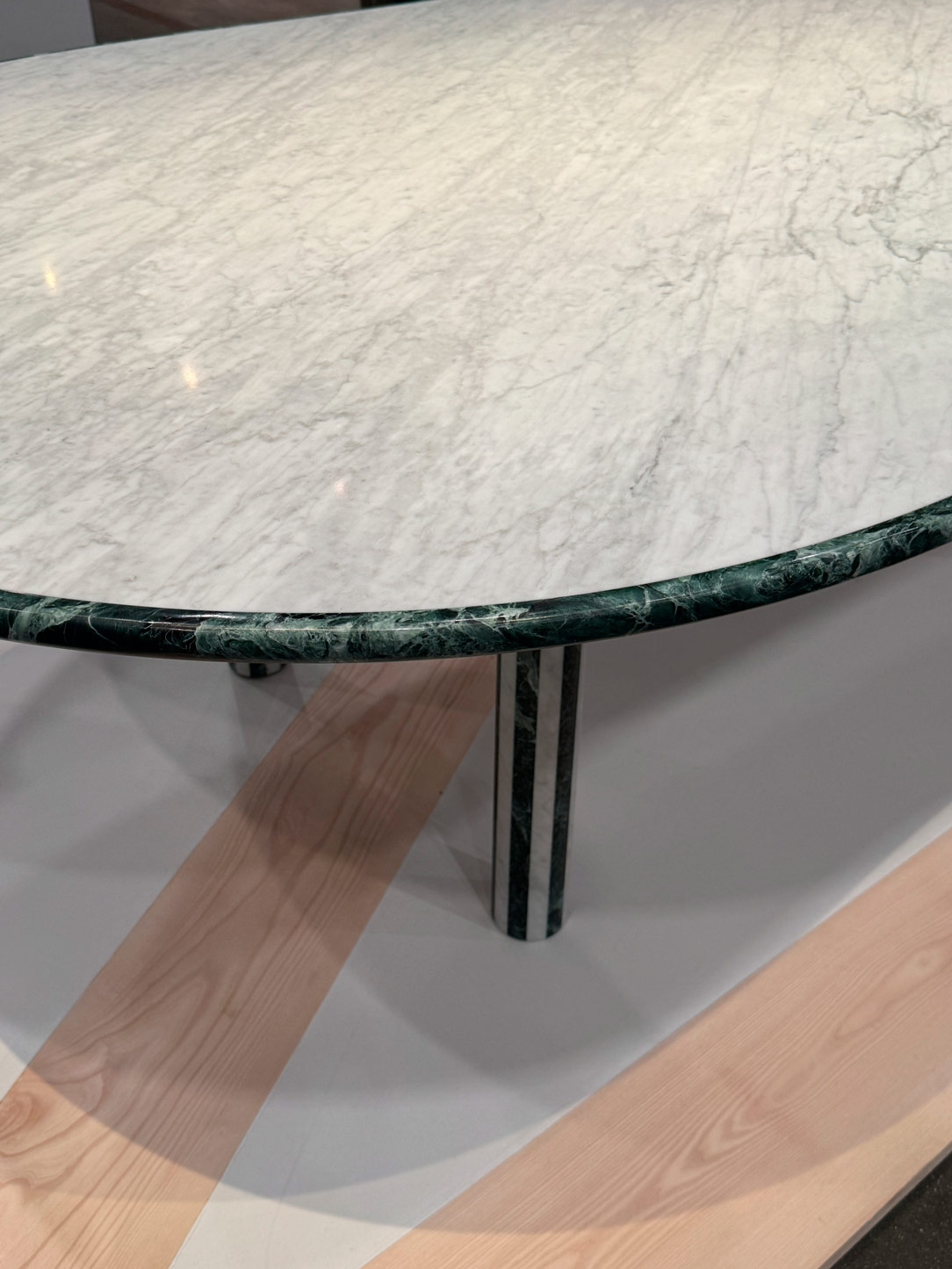
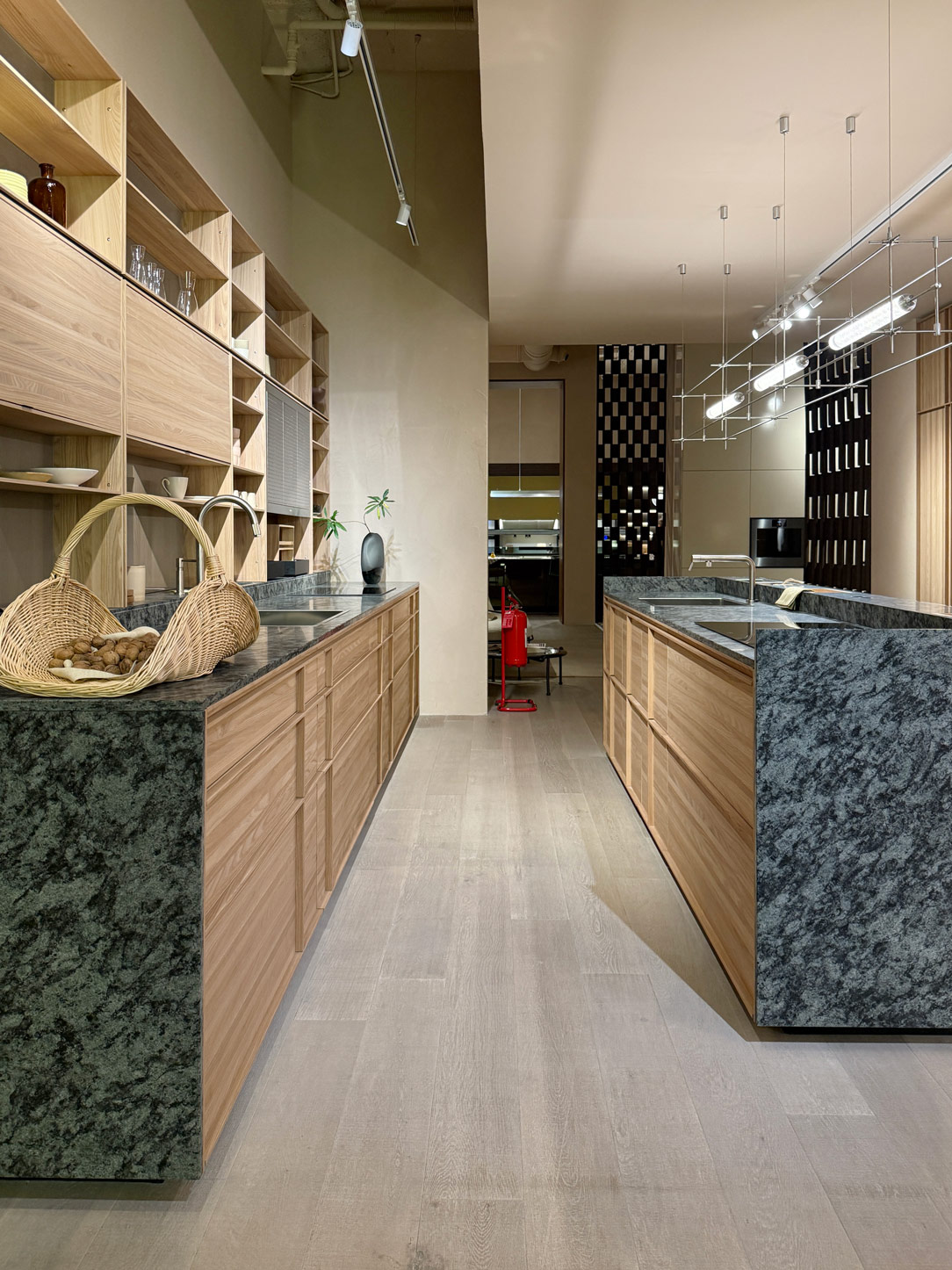
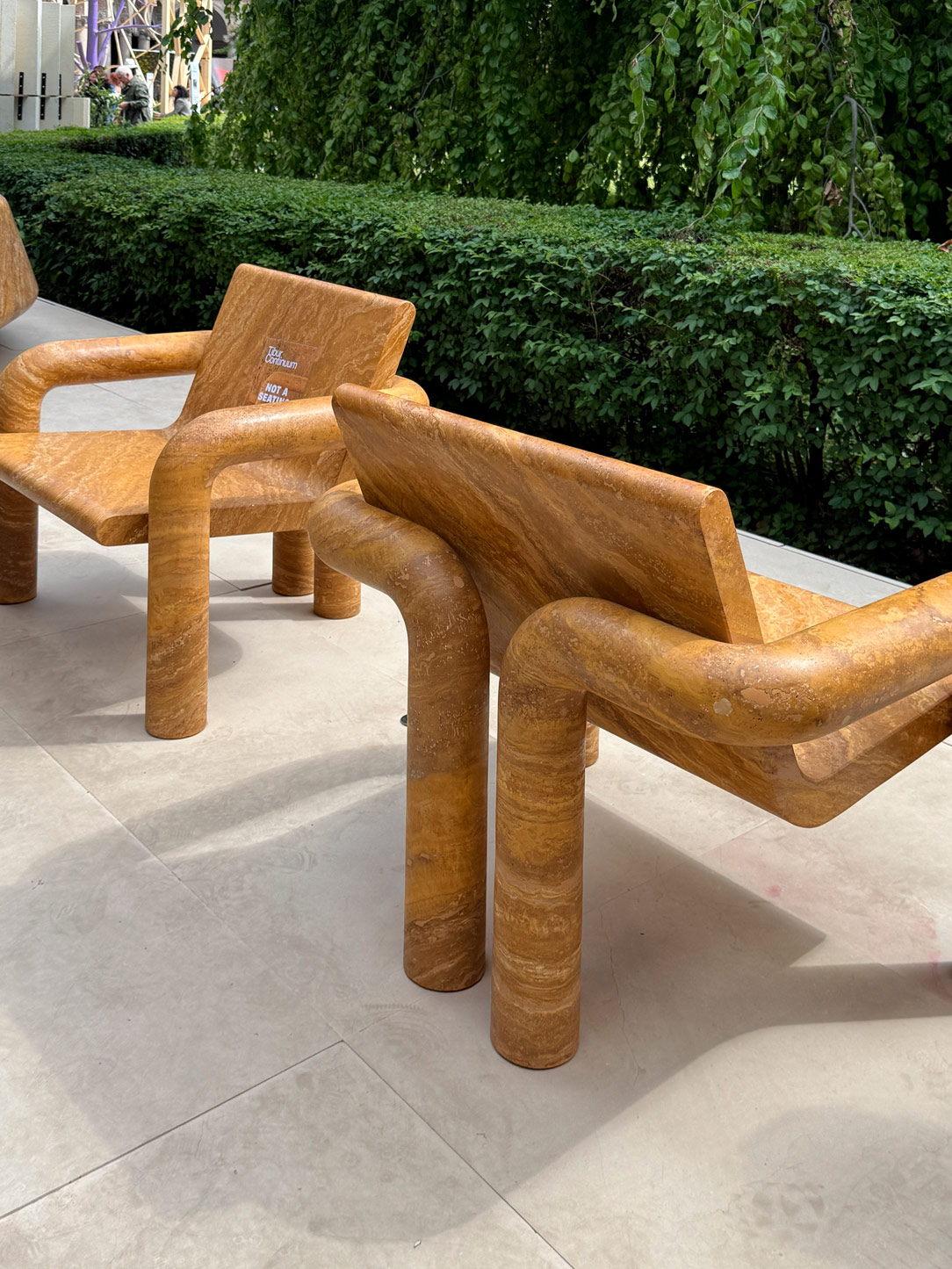
Alongside wood, marble emerges with renewed strength, particularly in its most sophisticated and textural expressions: from Roman travertine to the deep greens, as rich tones of Verde Alpi, through to more refined and understated surfaces, never excessive, yet deeply distinctive.
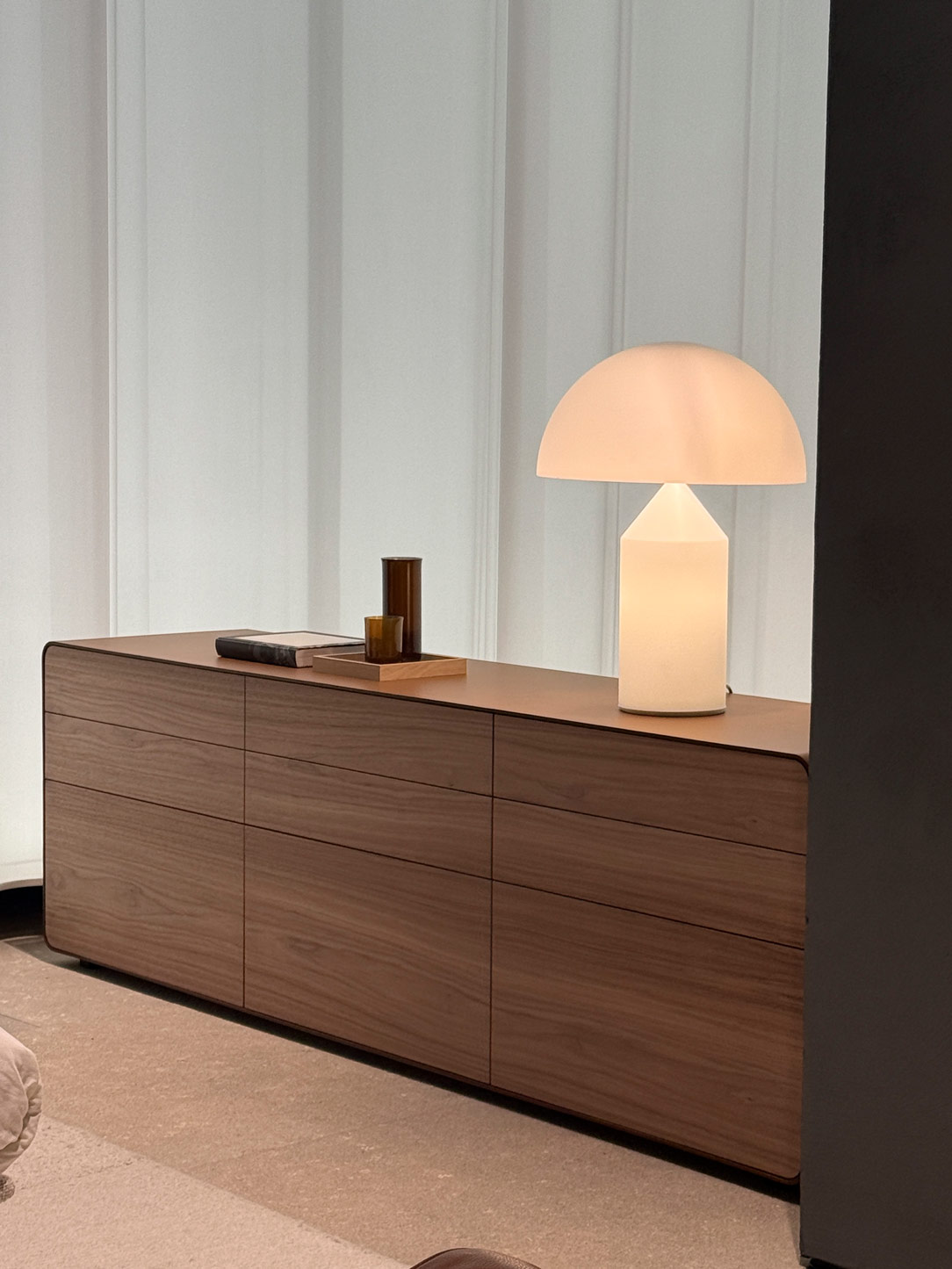
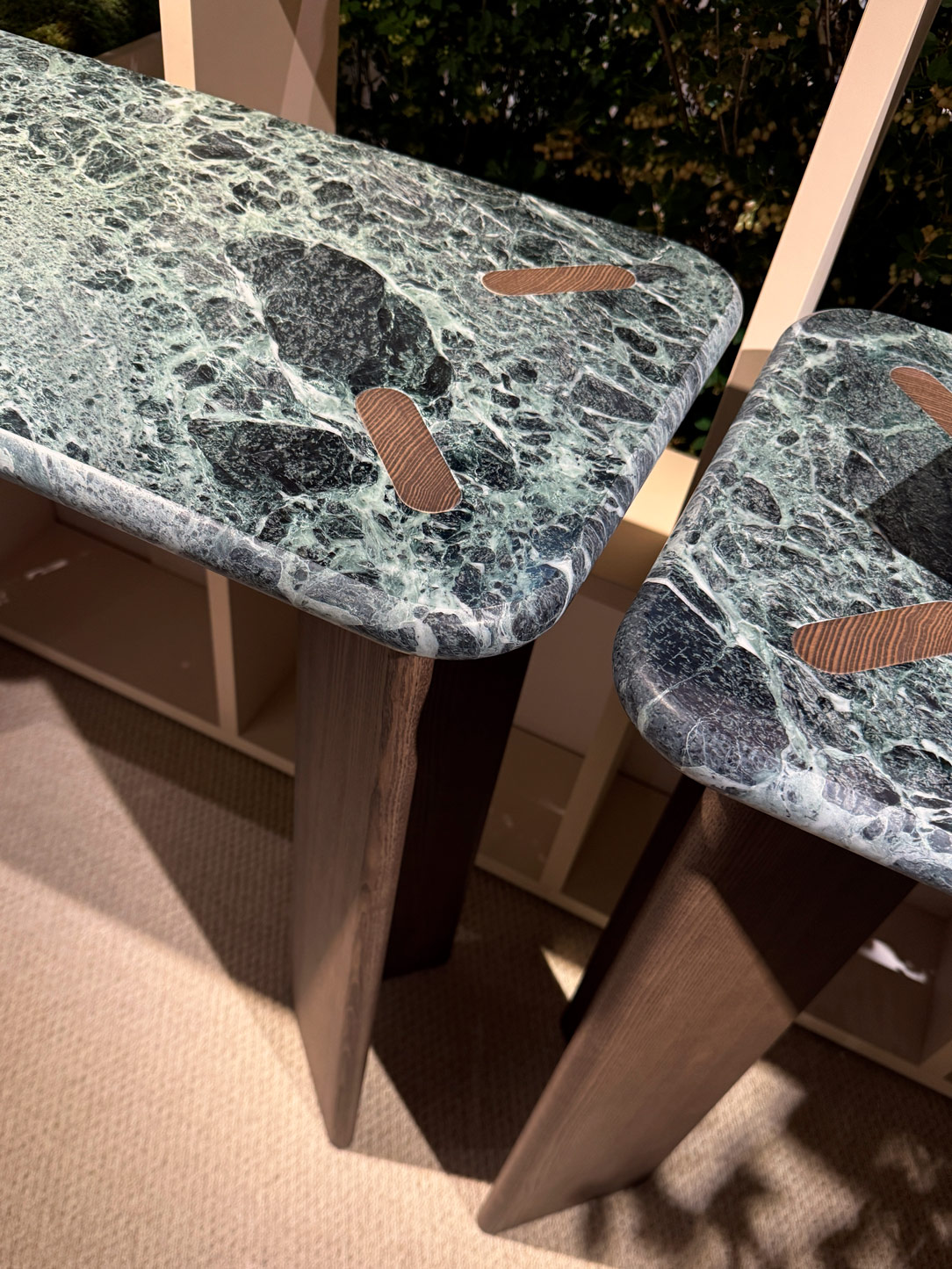
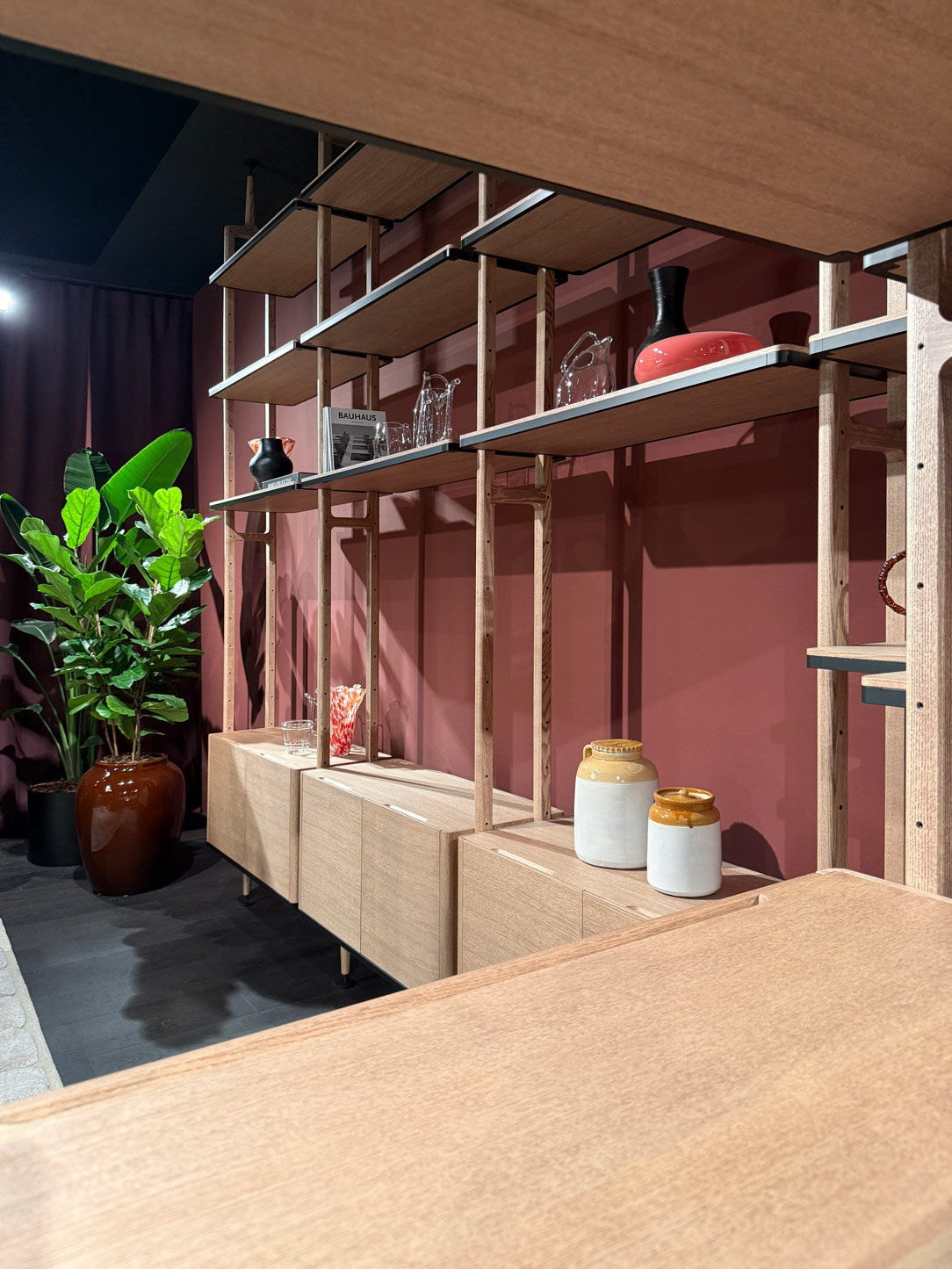
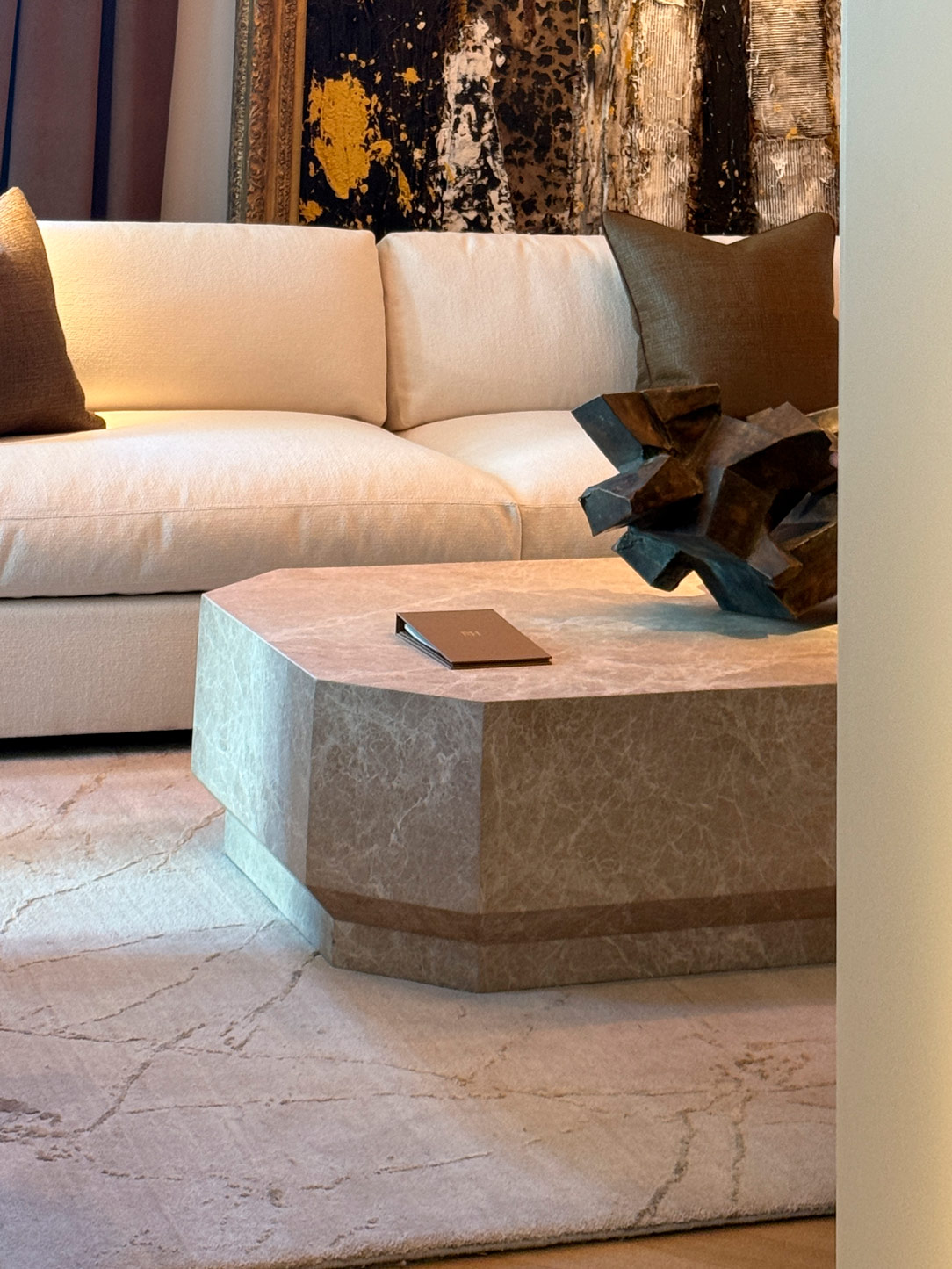
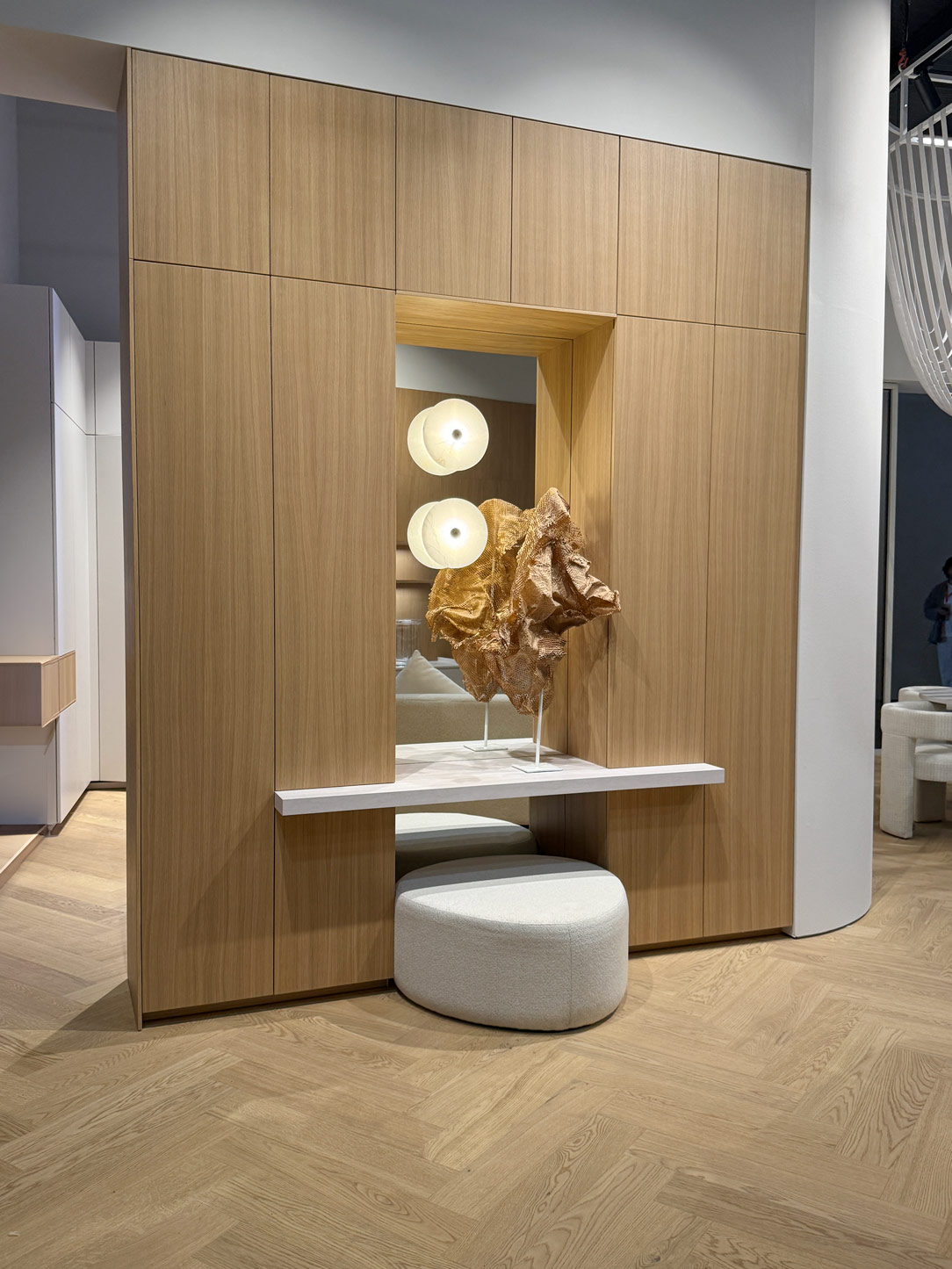
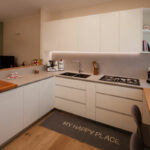
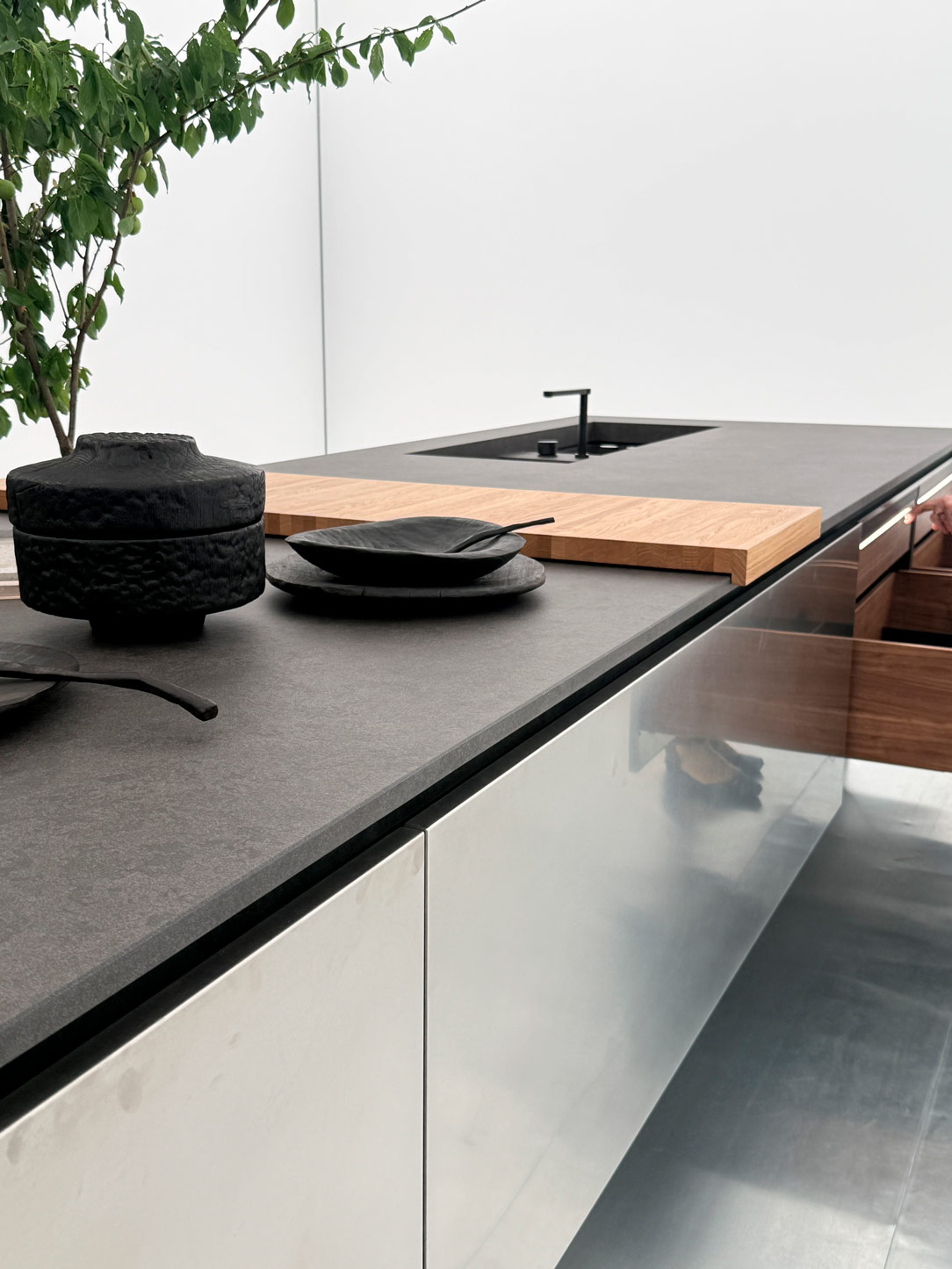
Library Turri Marble Table RH Cabinet Nolte cucine
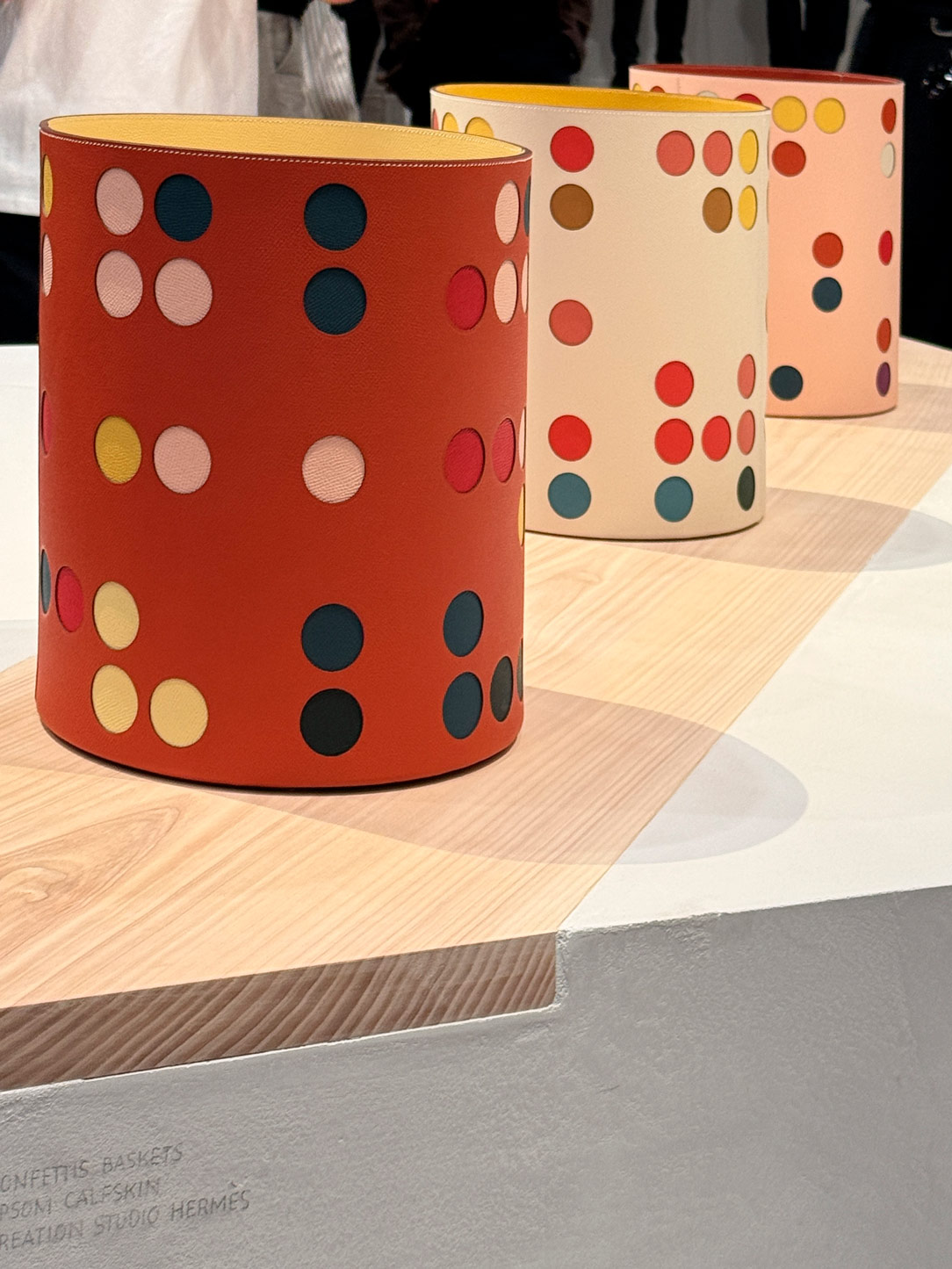
At Hermès, stone becomes matte, porous, almost primal. Material transforms into a language of its own, engaging in a refined interplay of forms and colours through a beautifully shaped retro-inspired table that echoes the maison’s iconic palette, striking a delicate balance between memory and contemporaneity.
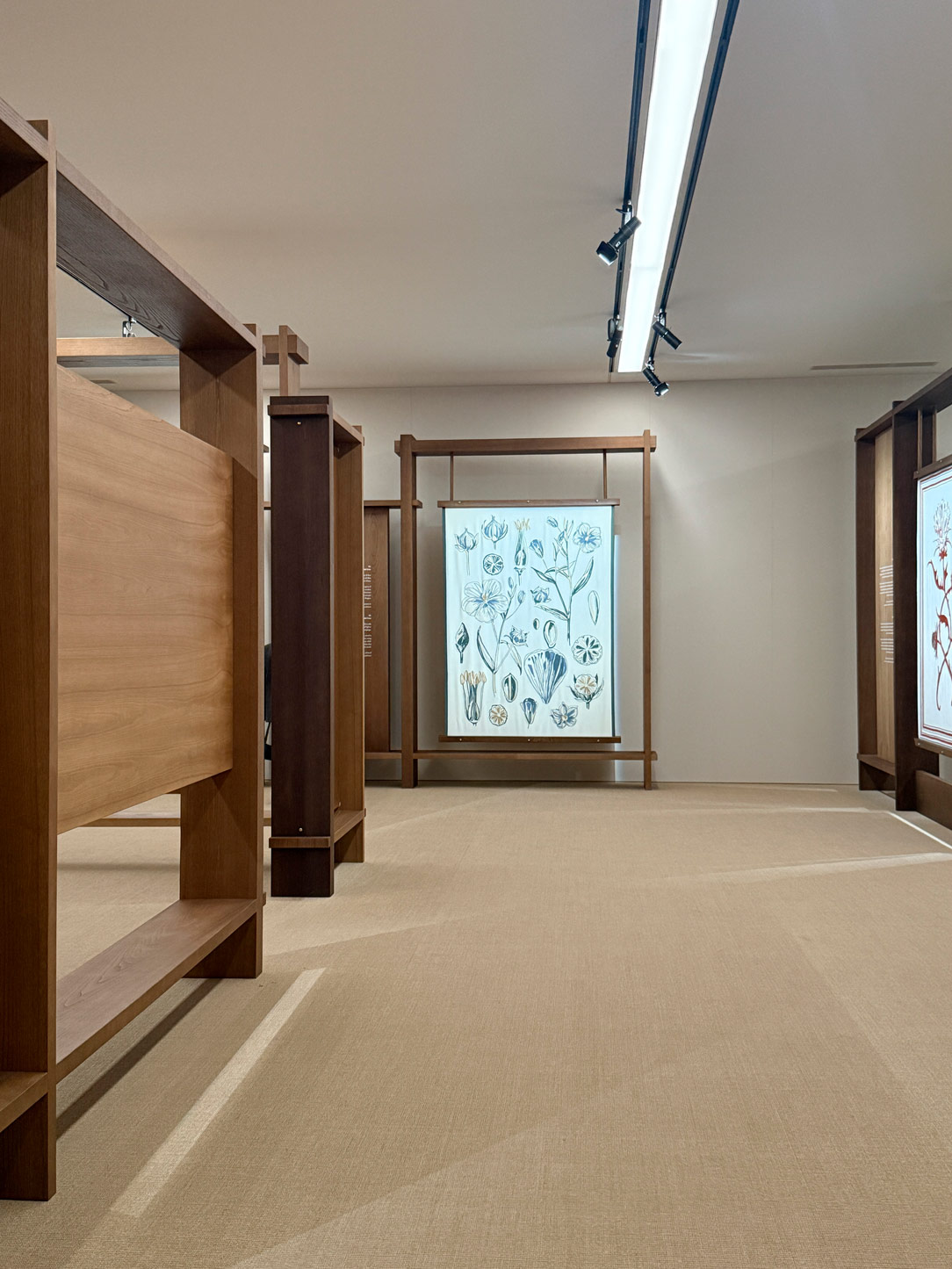
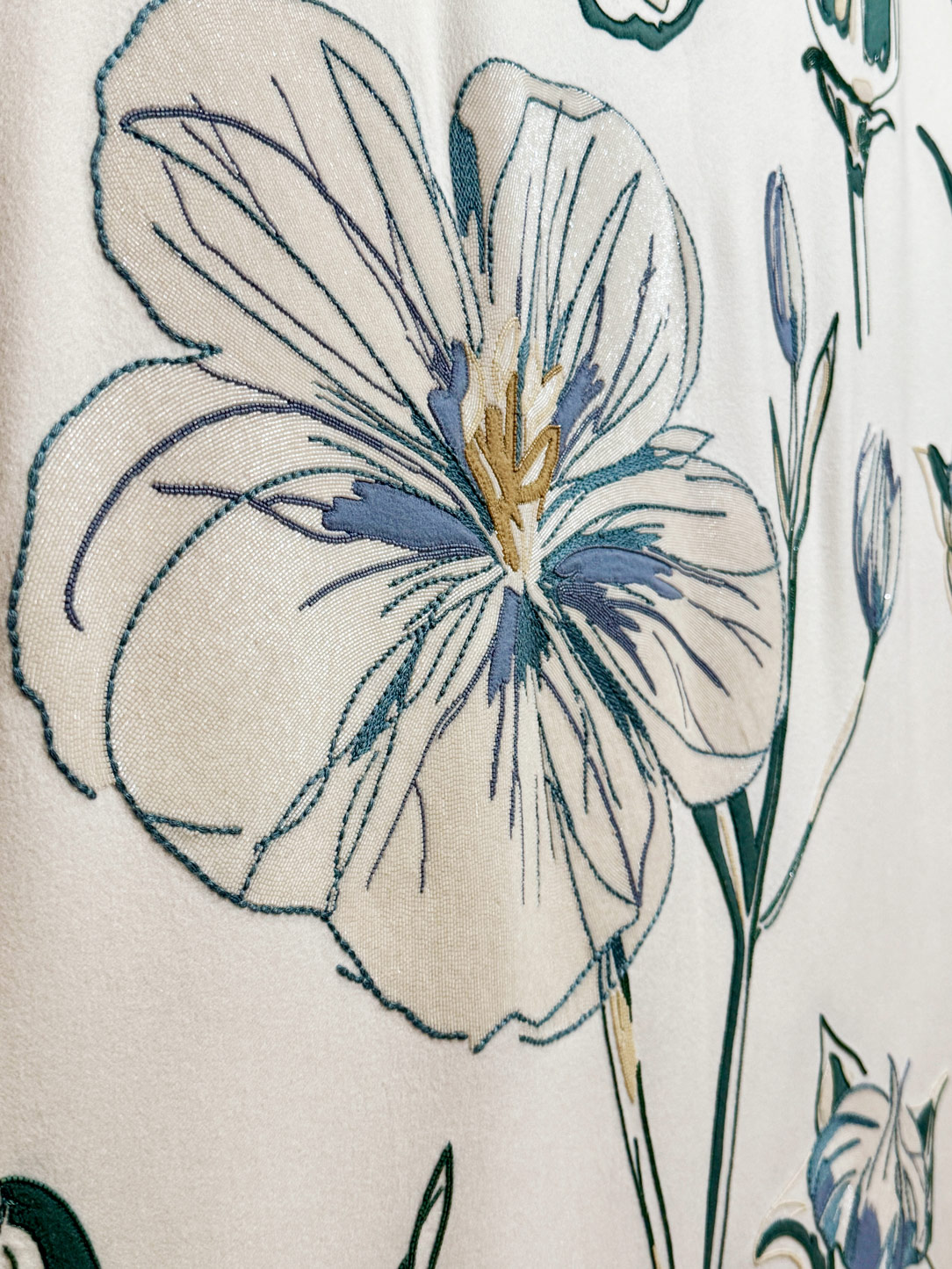
At Loro Piana, meanwhile, the Sul Plaid exhibition brings back into focus one of the most essential and comforting elements of domestic living. Dedicated to the plaid — the maison’s first finished product and an emblematic presence of the 1980s — the installation explores its potential as a field of experimentation.
Here, woven textures, natural fibres, and craftsmanship move beyond mere decoration to become structure, connection, and soft boundaries between elements. Materiality intertwines with space, shaping a narrative of tactility, warmth, and belonging — no longer simply a surface, but an experience in itself.
Organic Forms: The End of Sharp Edges
Among the most evident design trends of 2026 is undoubtedly the abandonment of rigidity.
Sharp edges seem to dissolve almost entirely, giving way to softer, more enveloping geometries — at times even playful. After years of rigorous minimalism and severe lines, design appears to embrace a renewed sense of expressive freedom.
Organic forms take centre stage: generous upholstery, rounded volumes, and sculptural details that soften the overall composition while maintaining a strong aesthetic presence. This direction is clearly reflected in the creations of Saba, Veneta Cucine and Natuzzi, where softness becomes both a visual language and a way of shaping more welcoming spaces.
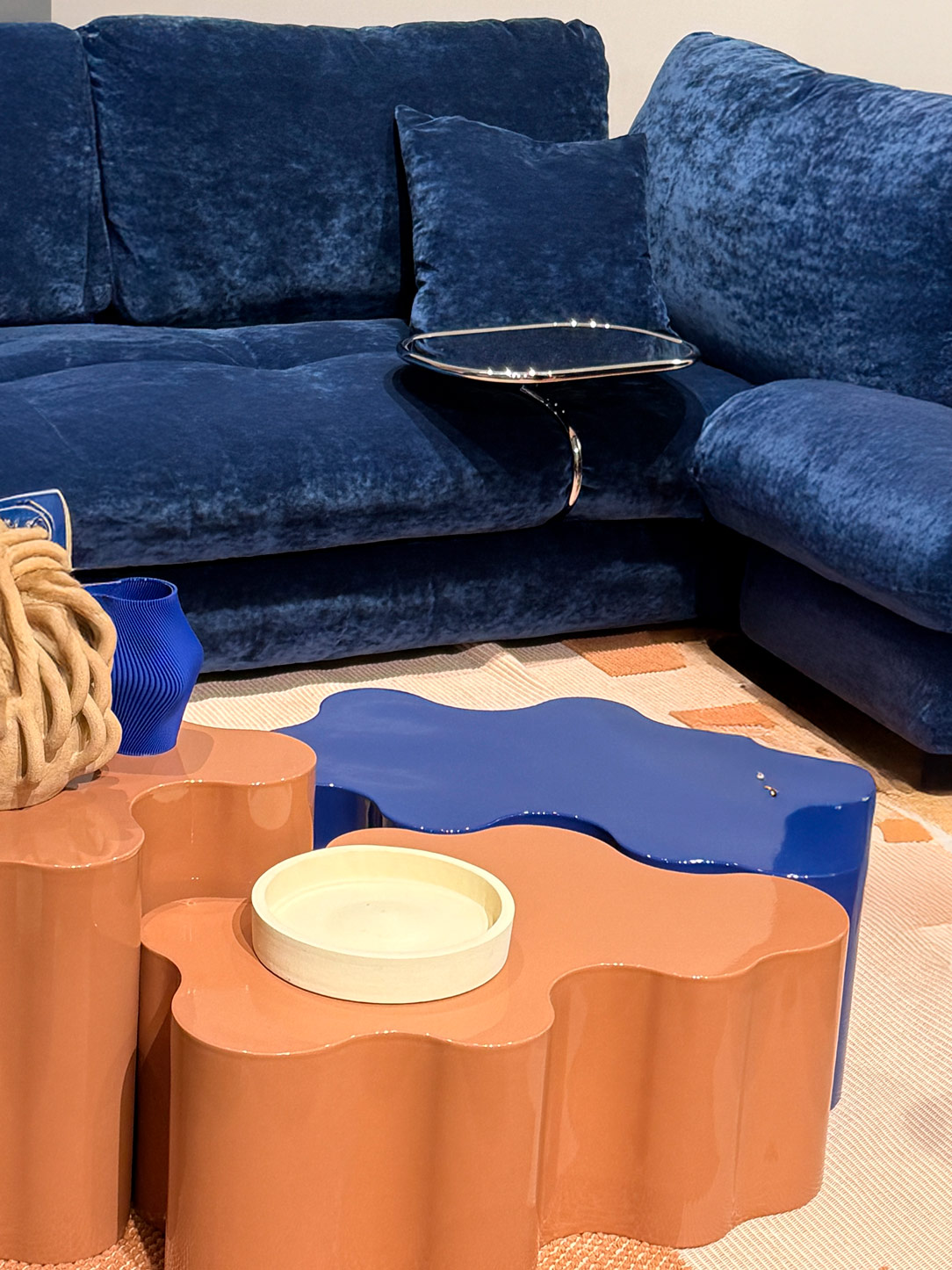
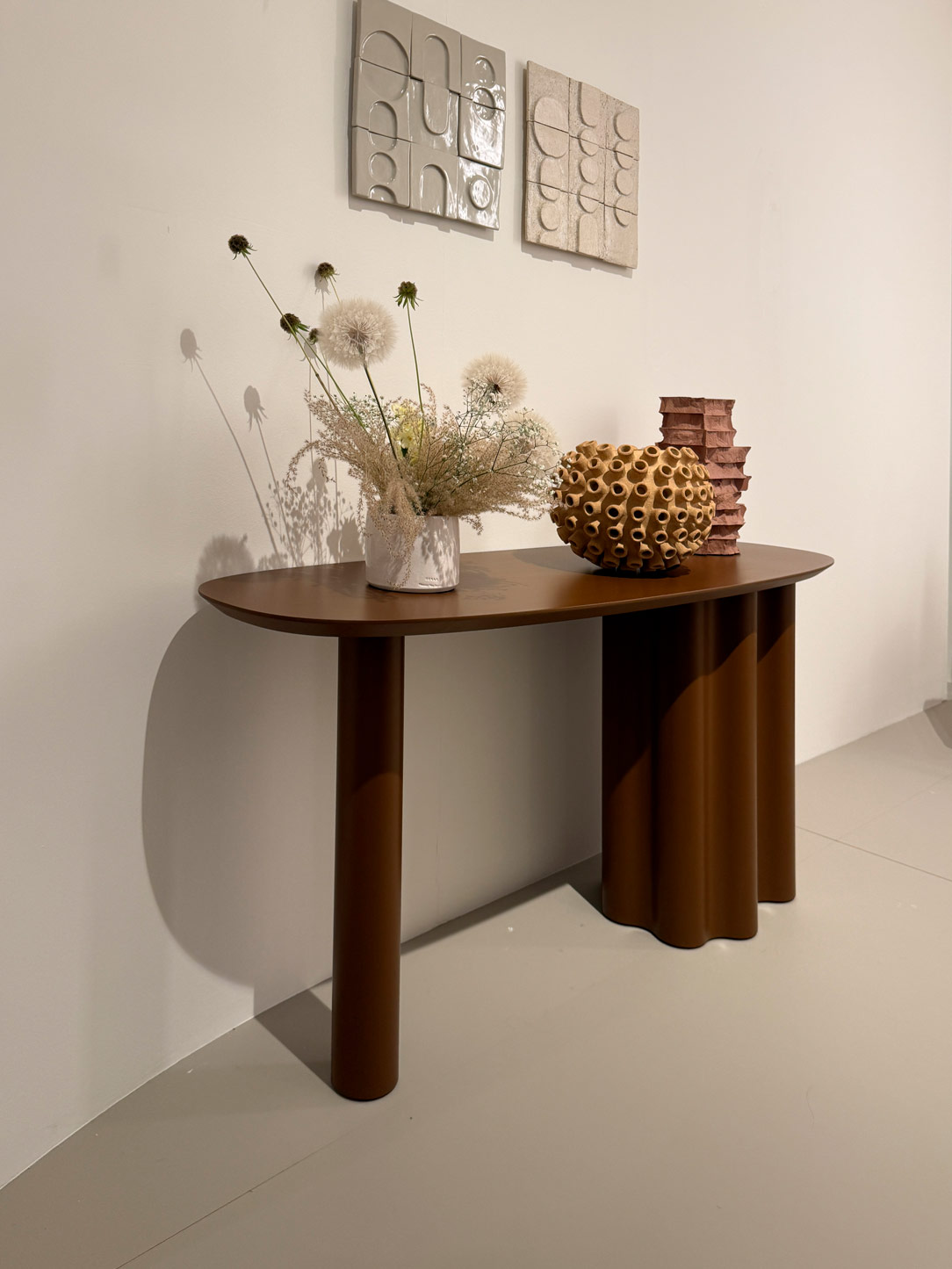
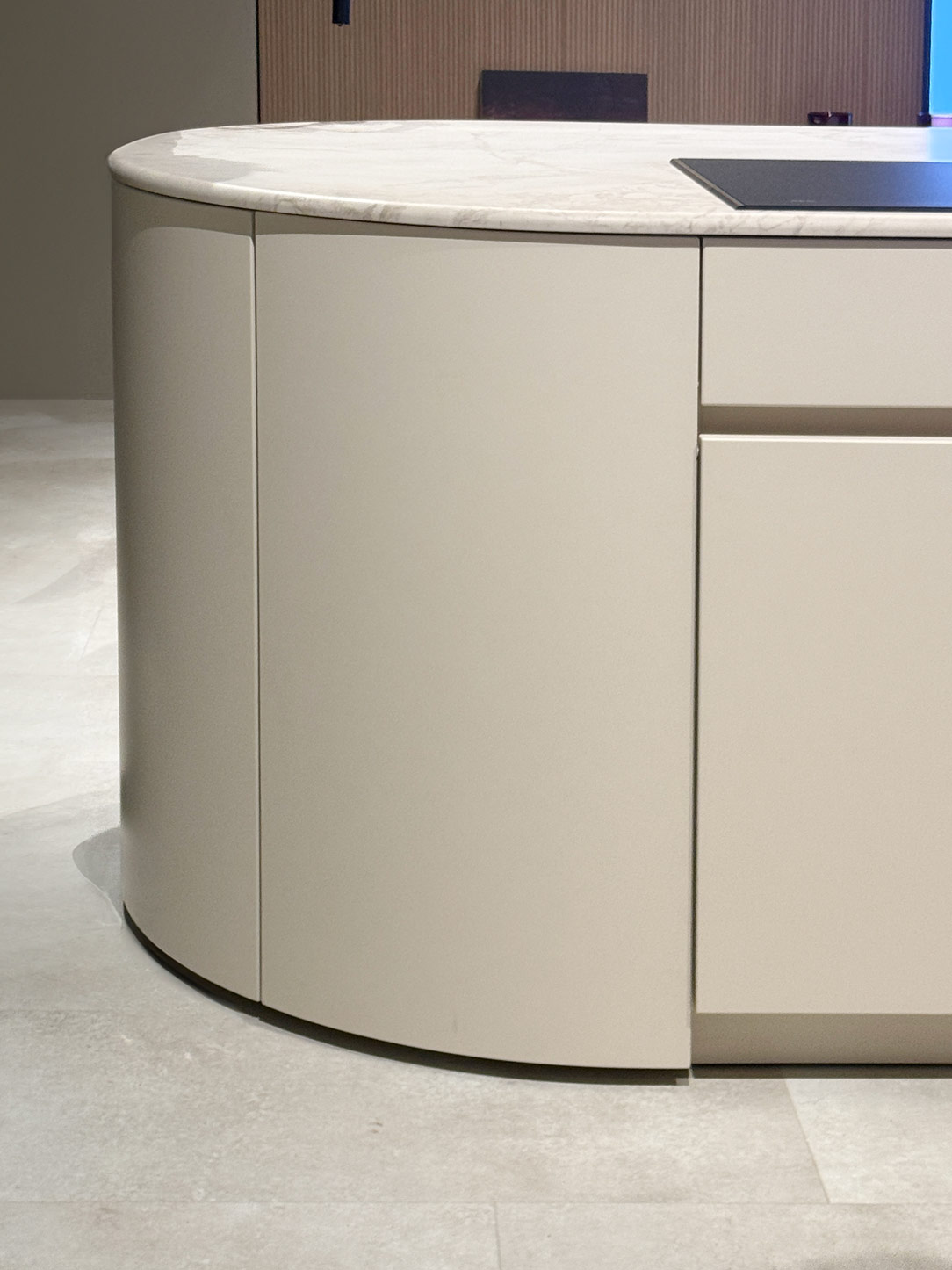
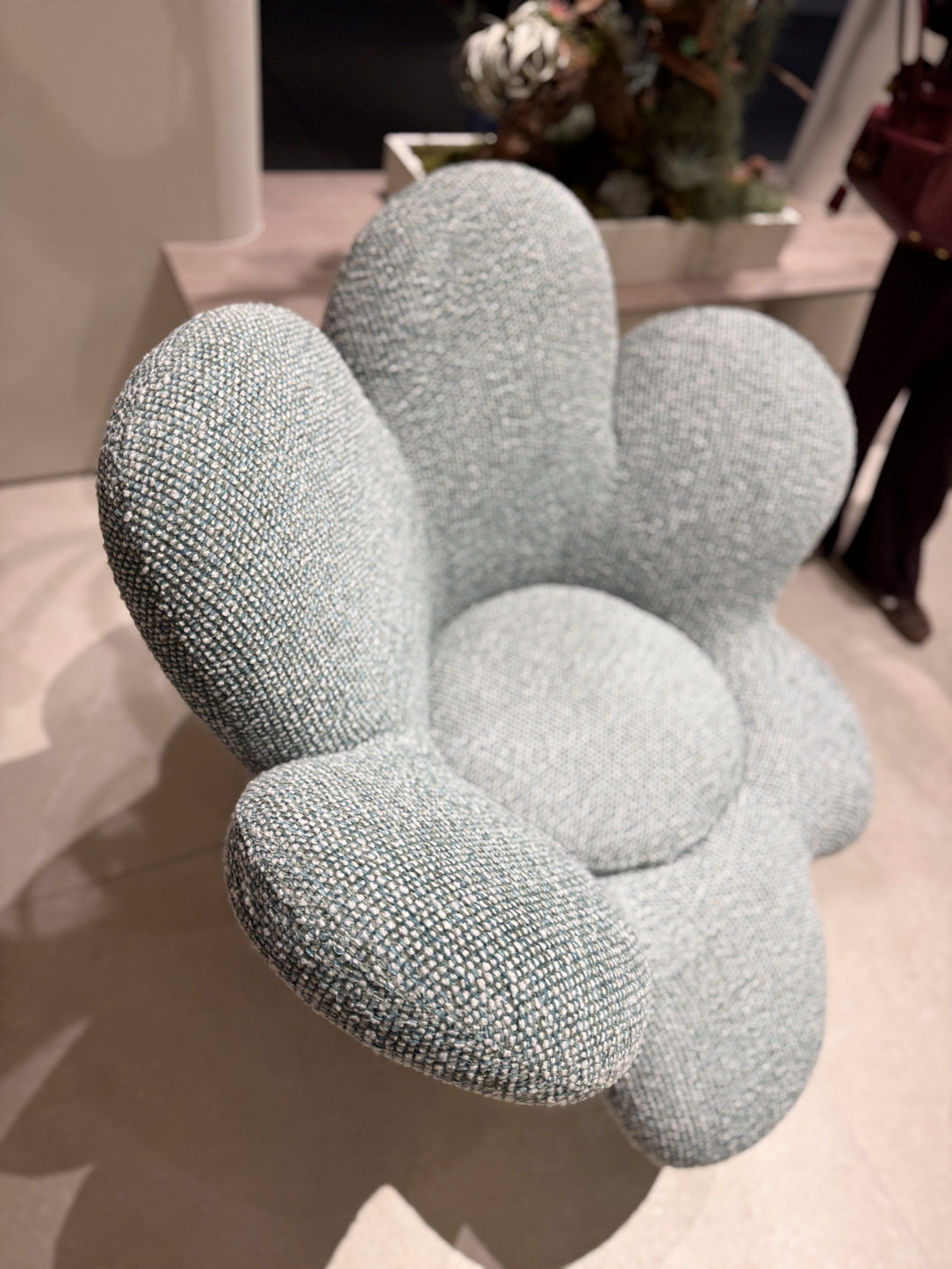
It is as though the home has stopped trying to impress and has returned, more simply, to welcoming.
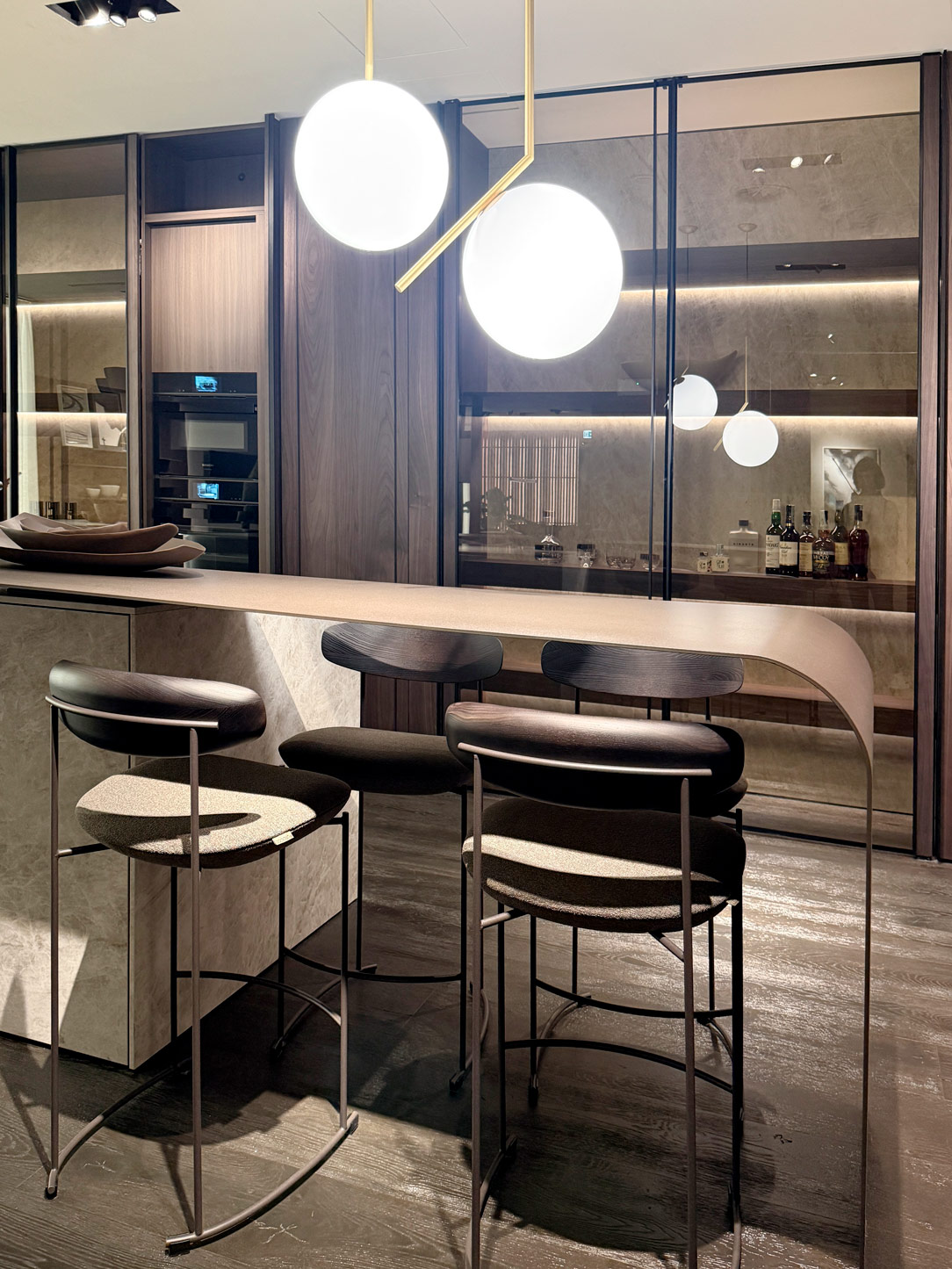
This shift can also be seen in more technical environments, such as the kitchen. Smeg ’s latest proposals revisit softly curved forms with an almost vintage sensibility, while Australian company Fisher & Paykel embraces a more direct relationship with nature through carefully balanced materials, understated tones, and thoughtful mechanical innovations — such as top-loading dishwashers designed to enhance both functionality and everyday ease.
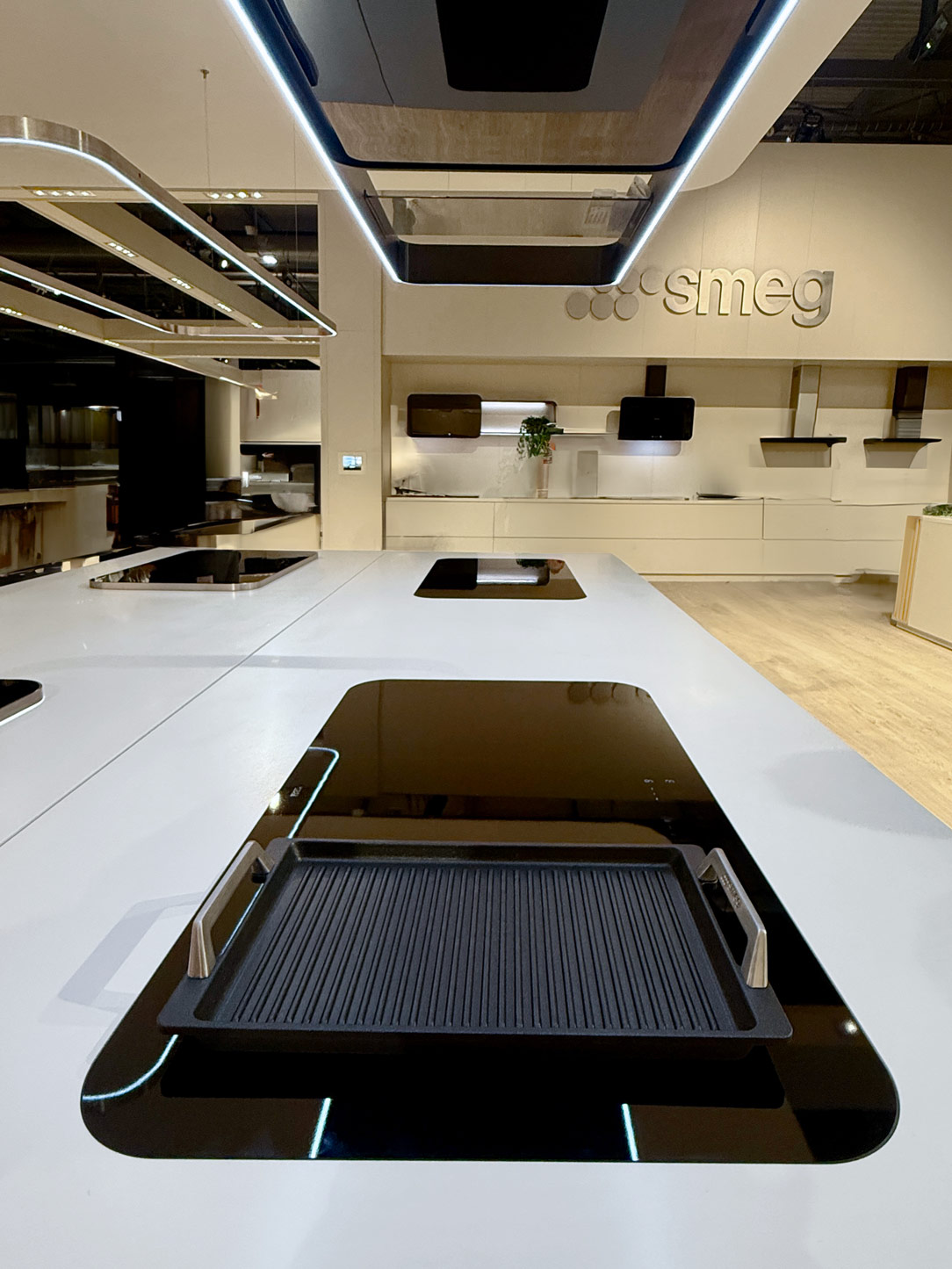
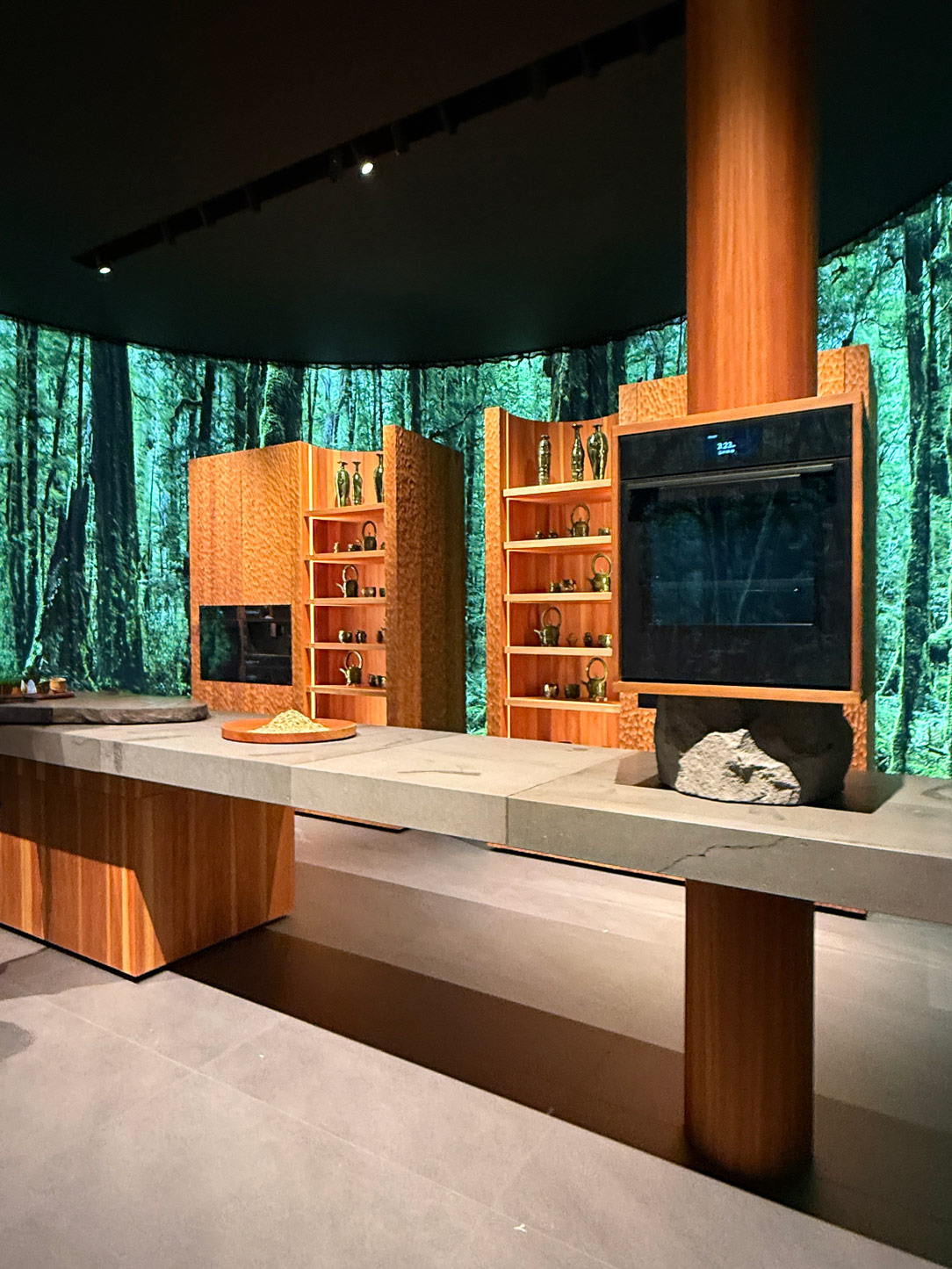
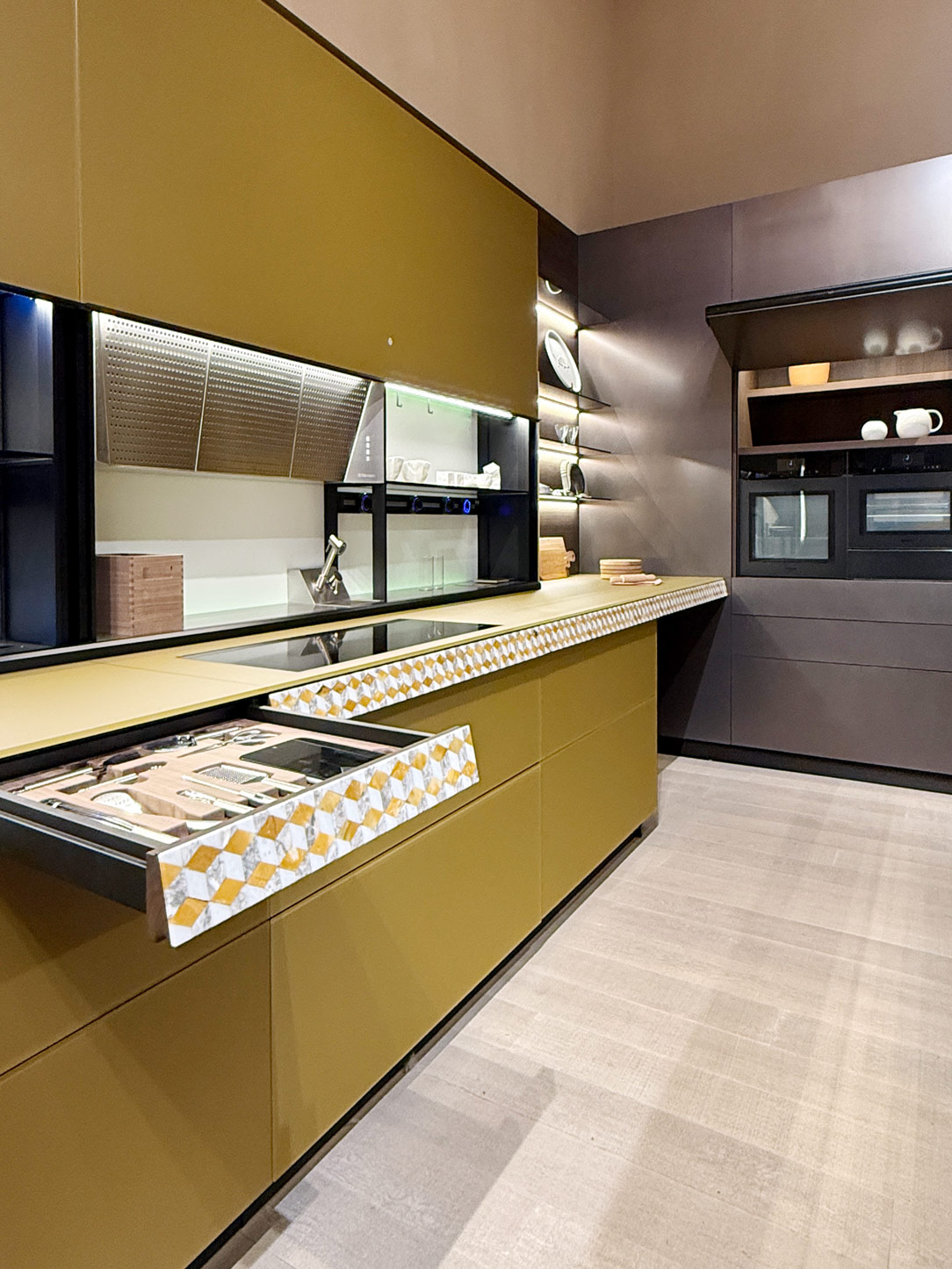
At the same time, advanced opening systems and increasingly refined interior organisation solutions, presented by brands such as Valcucine and Modulnova, confirm a clear direction: technology remains present, yet deliberately chooses to become invisible.
Function continues to evolve — quietly, seamlessly, without imposing itself.
The Lightness of Contemporary Living
Another feeling that decisively runs through both the Salone and the Fuorisalone is the pursuit of lightness.
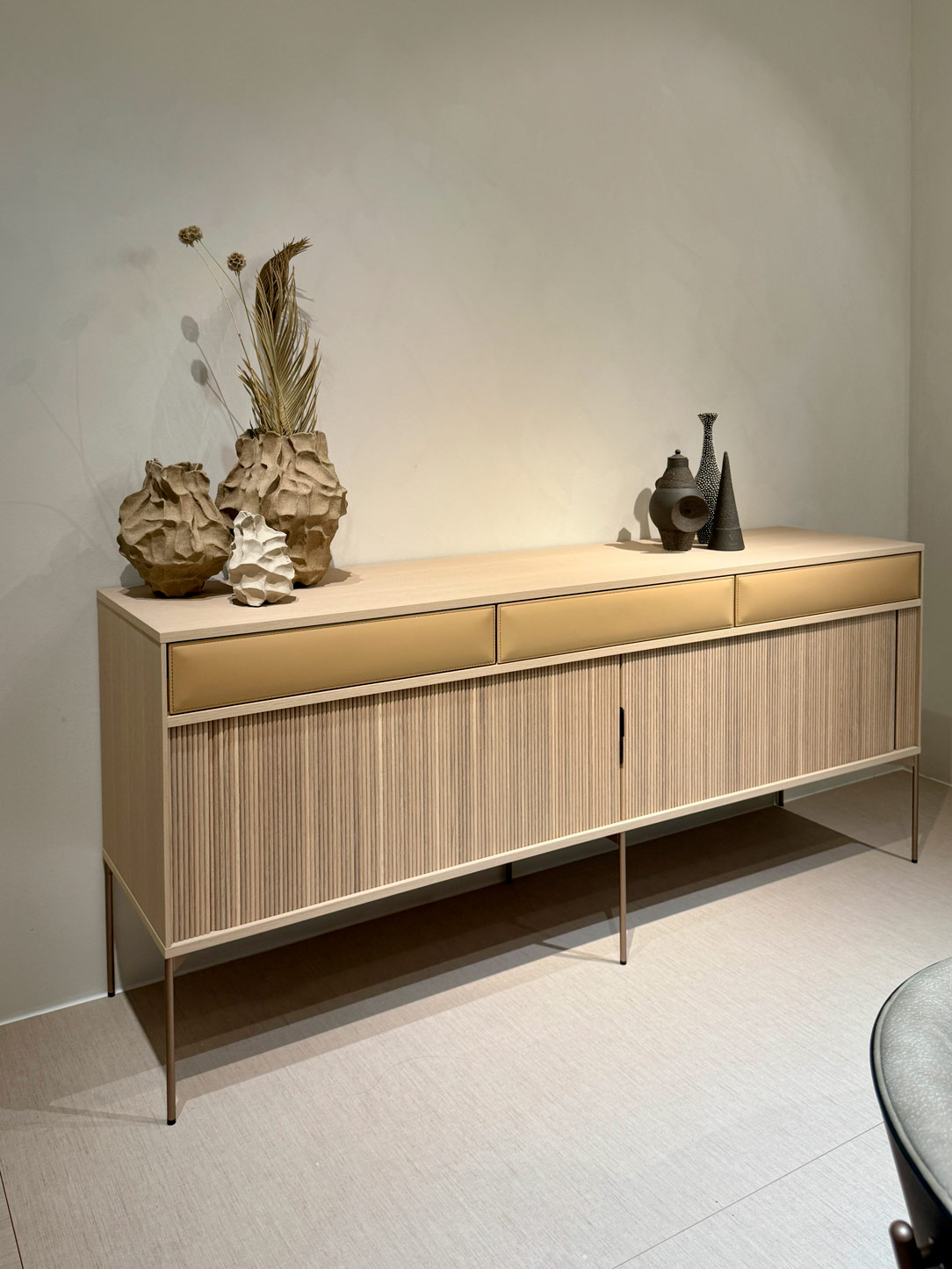
This is not about diminishing the presence of objects, but rather redefining their visual weight. Furnishings seem to exist with discretion, settling naturally into space with an almost silent ease.
Brands such as Ritzwell interpret this design philosophy with elegance: flawless functionality, fluid mechanisms, and details that remain almost invisible. Likewise, collections by Porada, Potocco and Living Divani seem to express the same vision of living — sophisticated, yet never ostentatious.
Subtle Colours, Lasting Emotions
The colour palette follows this same search for balance.
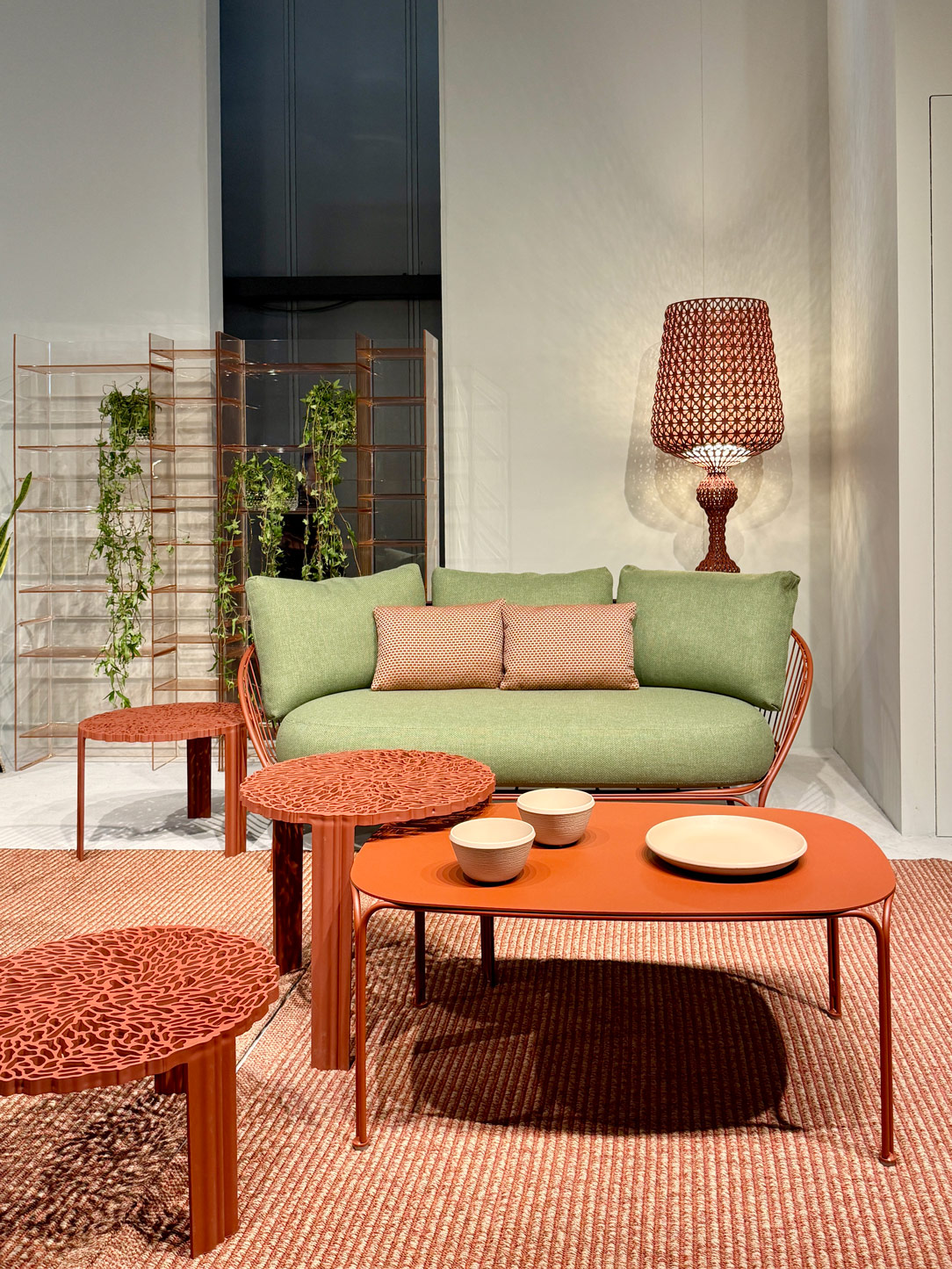
Neutral tones continue to dominate, yet they are accompanied by more refined and delicate shades: dusty blues, natural greens, brick and coffee hues, alongside more vibrant touches of electric blue and softly measured yellows.
Colour never truly overwhelms the space.
Instead, it accompanies it.
Small chromatic accents capable of shaping character without disturbing the overall sense of calm within an interior — as seen in selected pieces by Kartell. where colour becomes both expression and restraint.
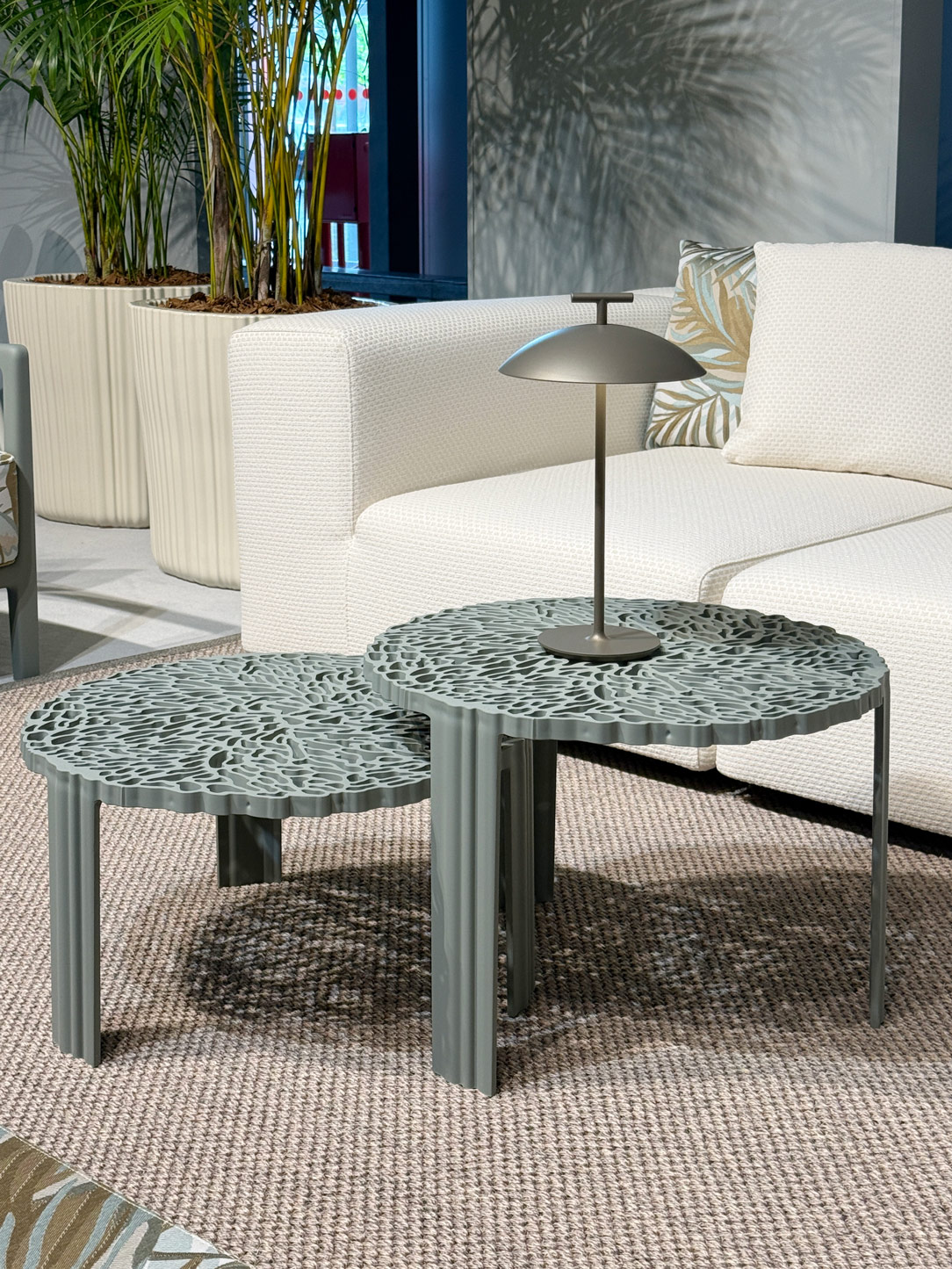
A shift can also be felt in metal finishes: alongside polished chrome surfaces, more solid, satin, and matte textures are emerging, aligned with an aesthetic that feels less reflective and more authentic.
At the same time, bold and vibrant colours, together with enveloping textures, transform walls and furnishings into true works of art. Expressive graphics stimulate the imagination while evoking a sense of wonder — creating interiors that feel both emotionally rich and quietly dreamlike
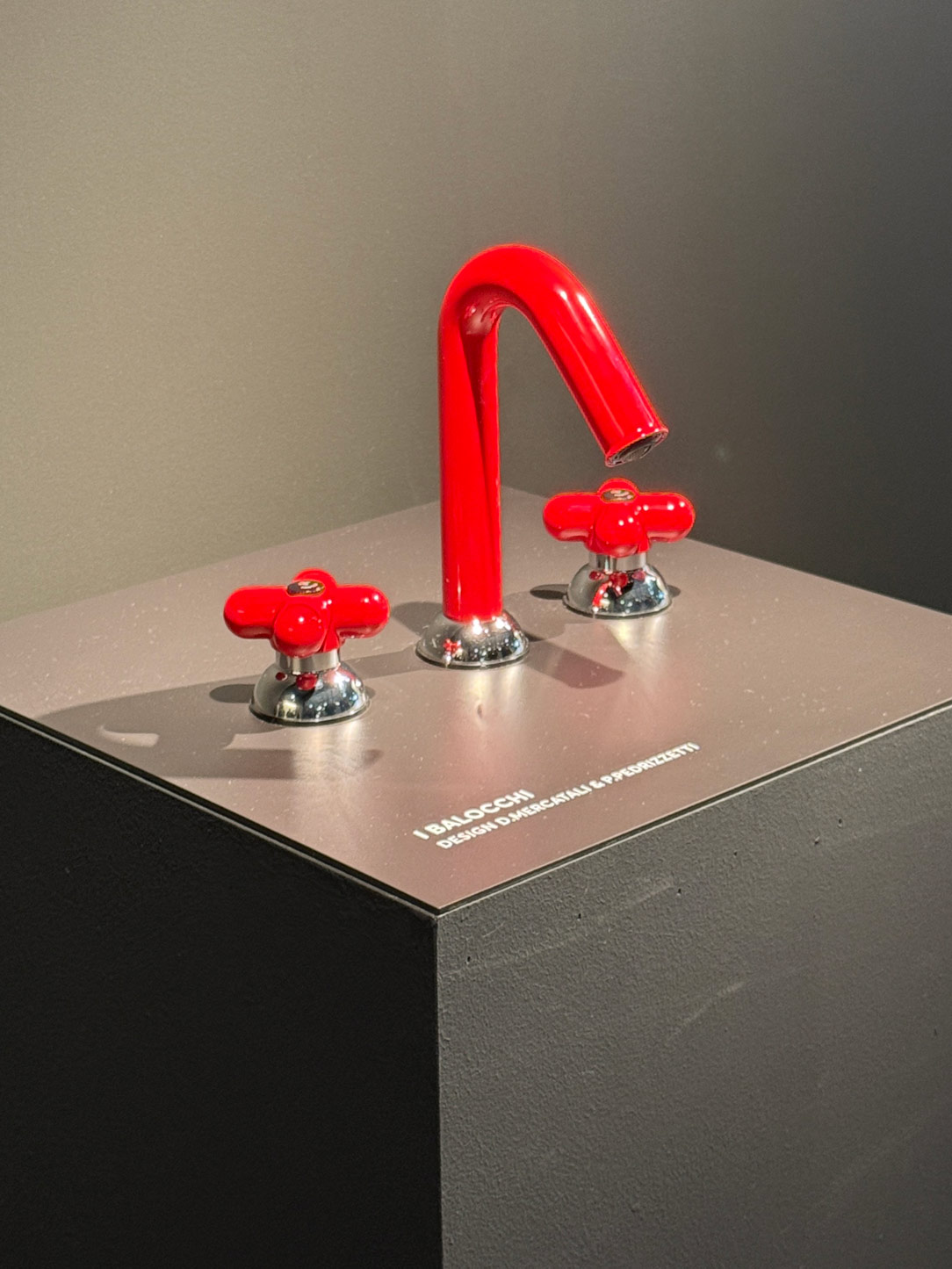
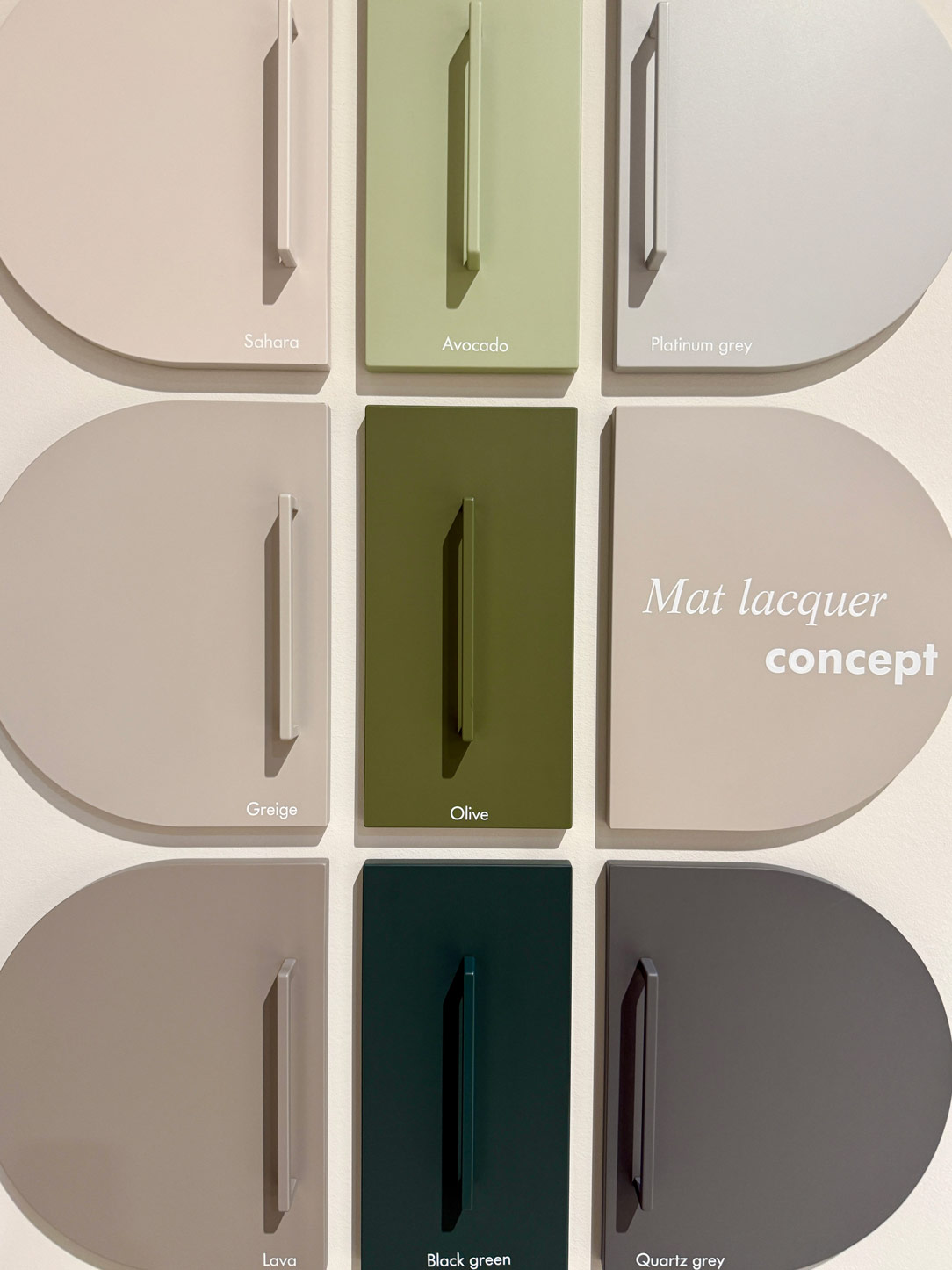
Faucet Fantini and colors by Nolte kitchen
Fuorisalone: Design as a Sensory Experience
Beyond the exhibition halls, design increasingly transforms into an immersive and playful narrative.
Across the Brera Design District and other exhibition spaces throughout the city centre, many installations seem to question the very meaning of materiality and our relationship with space.
Within the evocative loggia of the Pinacoteca di Brera, Serotonin – The Chemistry of Happiness, created by artist Sara Ricciardi for American Express, turns the visitor’s journey into a sensory experience centred on emotions and the pursuit of happiness.
Almost symbolic in nature, the installation becomes an invitation to seek lightness and wellbeing — not only through objects, but through space itself.
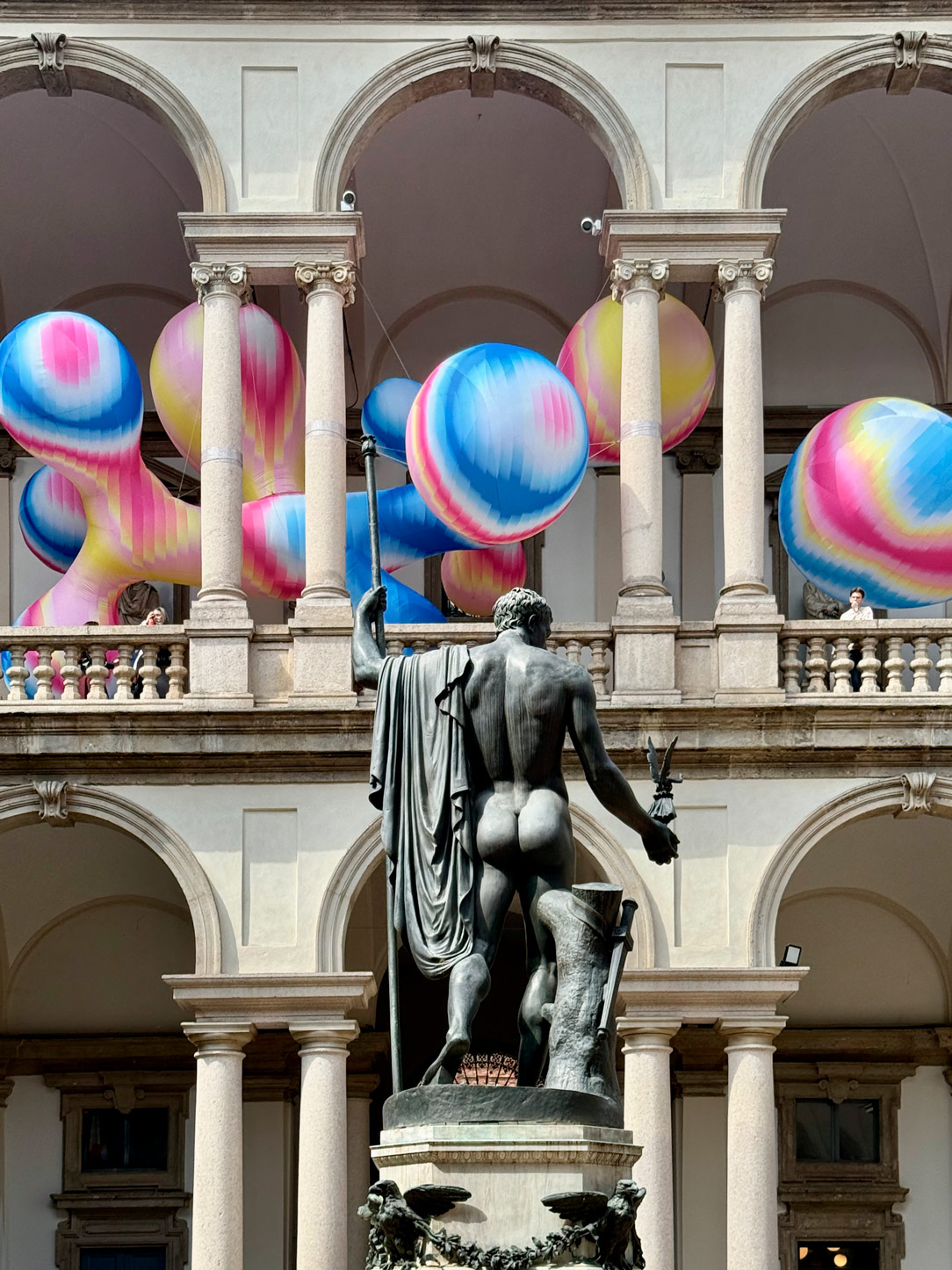
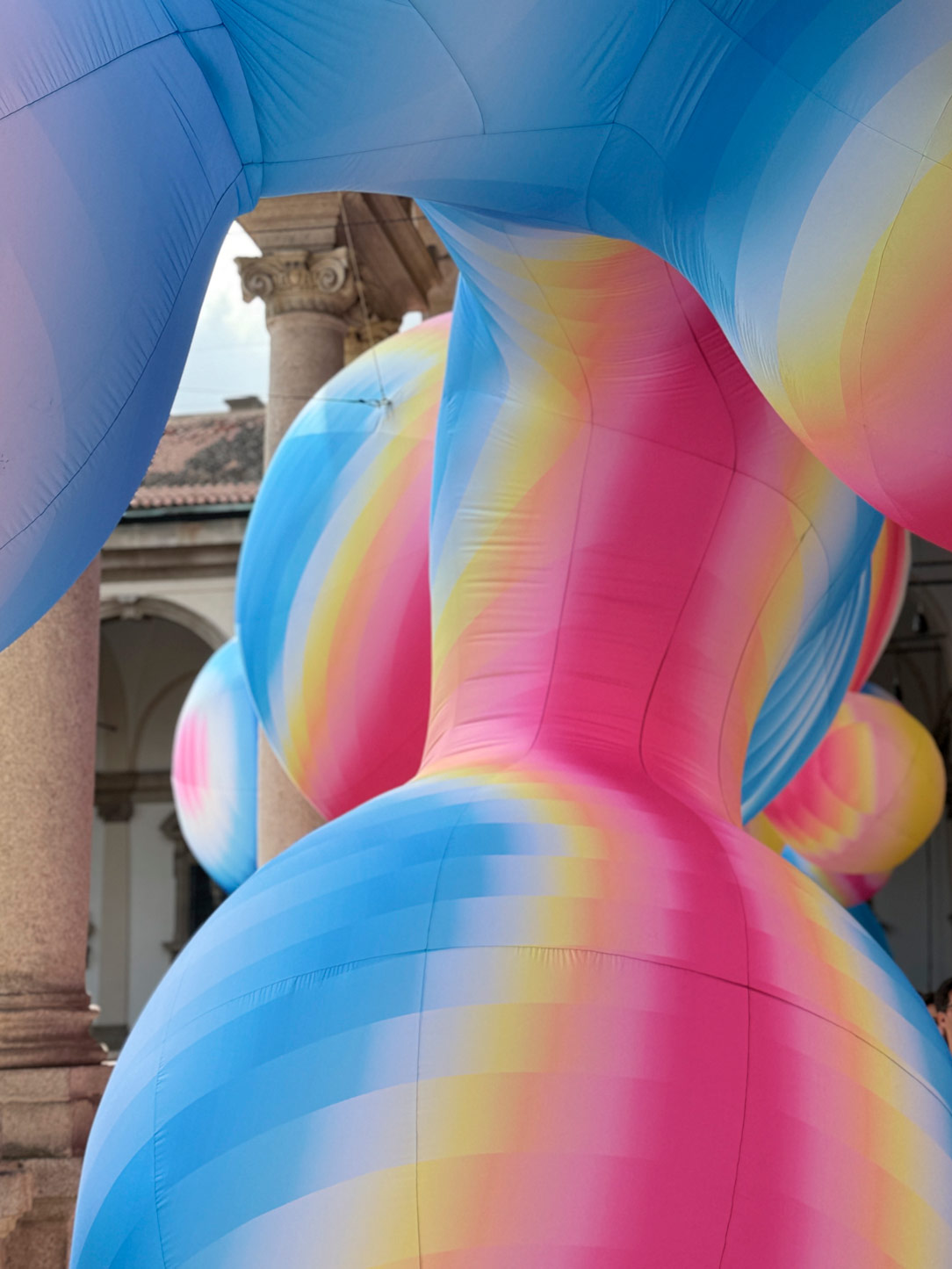
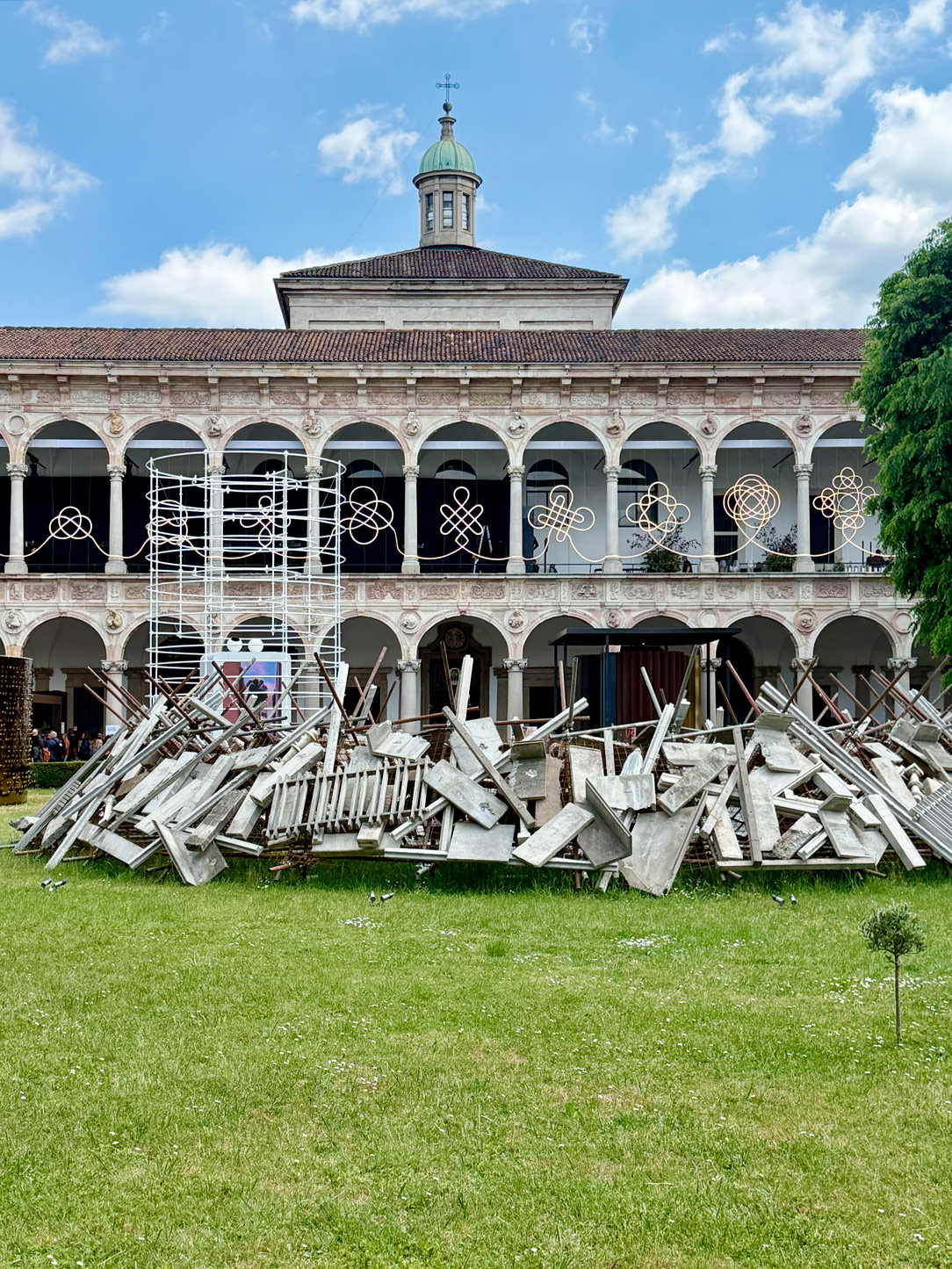
The University of Milan, La Statale, once again confirms its role as one of the Fuorisalone’s most significant epicentres, hosting INTERNI MATERIAE — the major exhibition curated by INTERNI magazine and dedicated to the technical, experimental, and creative value of materials.
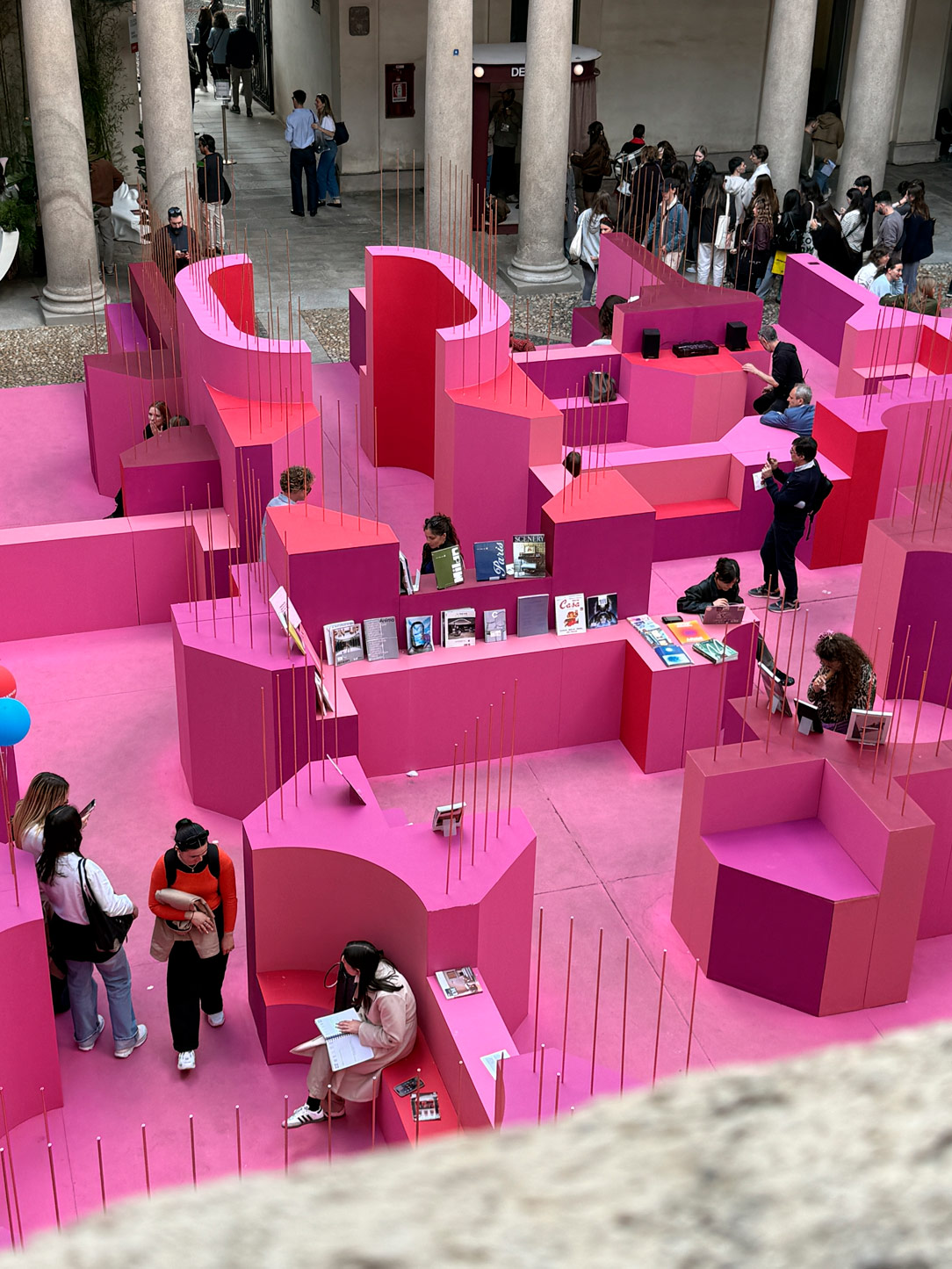
In the Courtyard of Honour at Palazzo Litta, Lebanese architect Lina Ghotmeh presents a site-specific installation that asserts itself as a vibrant presence: an intense pink labyrinth engaging in dialogue with the rigour of the historic architecture, juxtaposing a contemporary gesture against the palace’s classical geometries.
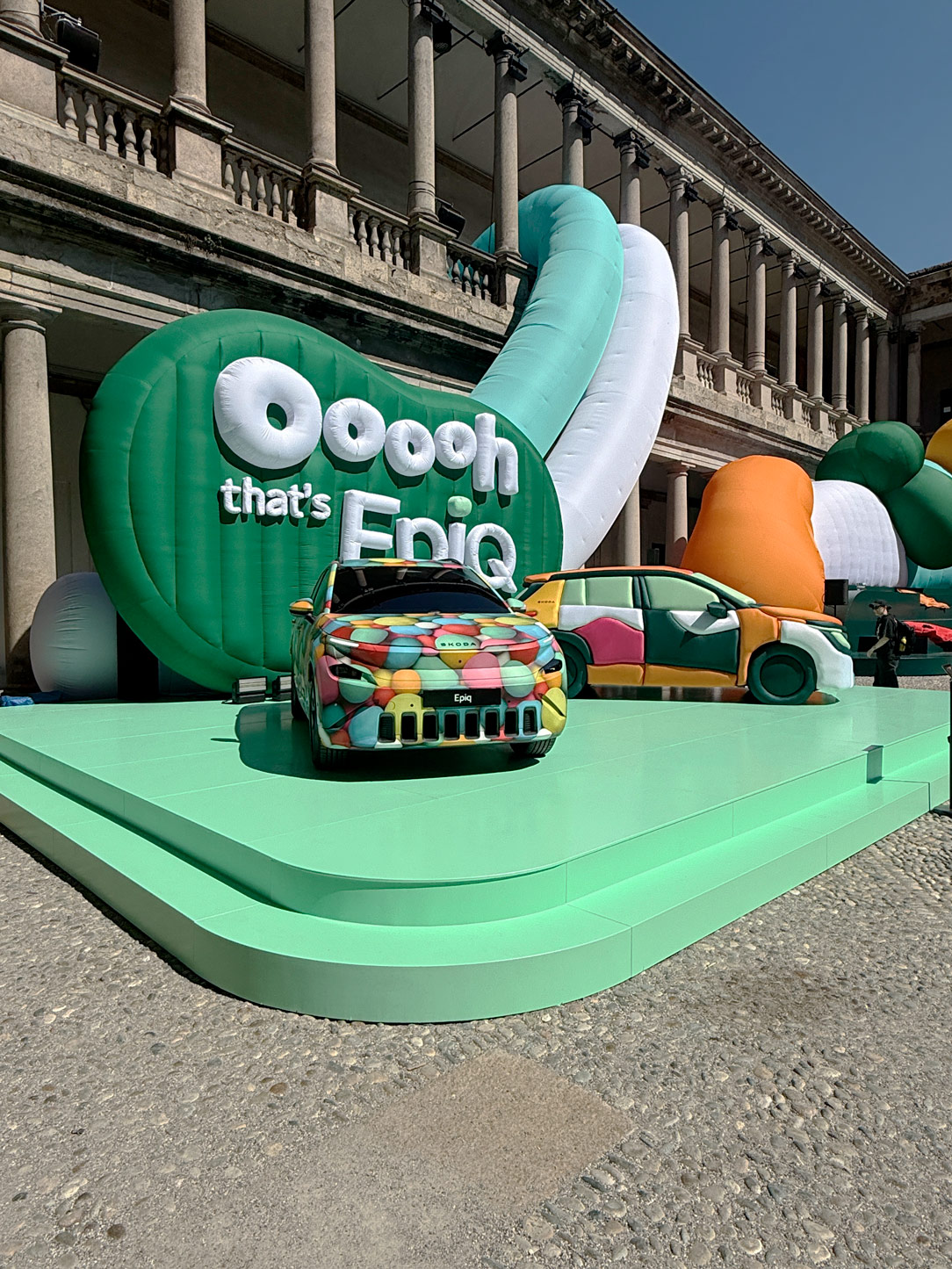
A chromatic contrast that finds an intriguing balance in the deep green tones of Škoda’s installation, Ooooh, that’s EpiQ!, hosted within the historic Palazzo del Senato to celebrate the arrival of the new all-electric Škoda Epiq.
Almost as a reminder that, while contemporary living seeks calm and rootedness, design still leaves room for surprise, wonder, and a sense of optimism — one that can also be expressed through colour.
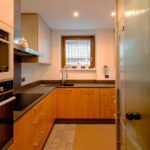
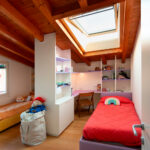
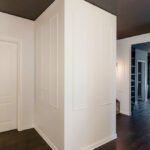
The Spanish Apartment reinterprets contemporary living through intimate atmospheres, rich materiality, and a strong emotional dimension, where warmth and personality become an integral part of the design experience.
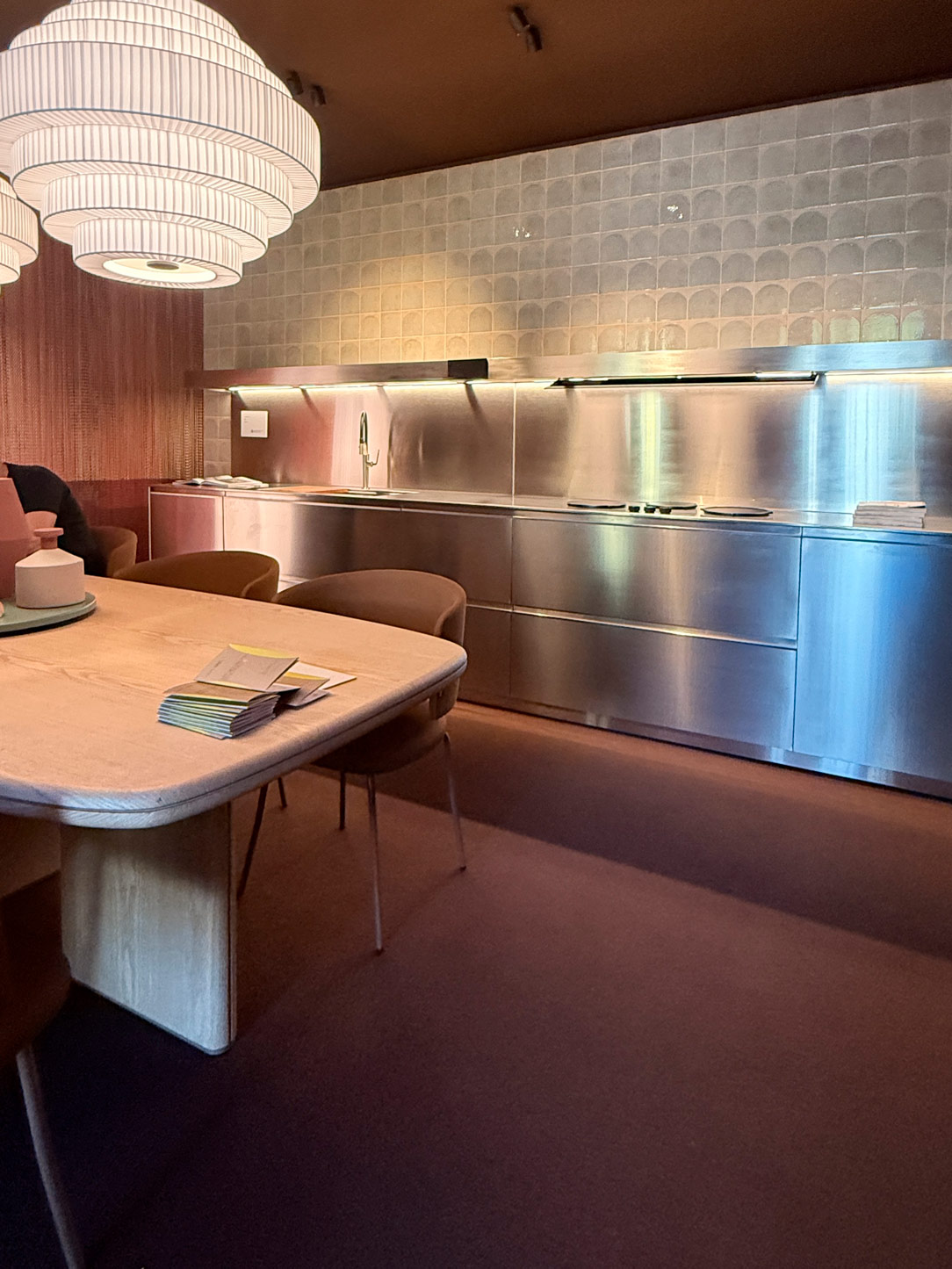
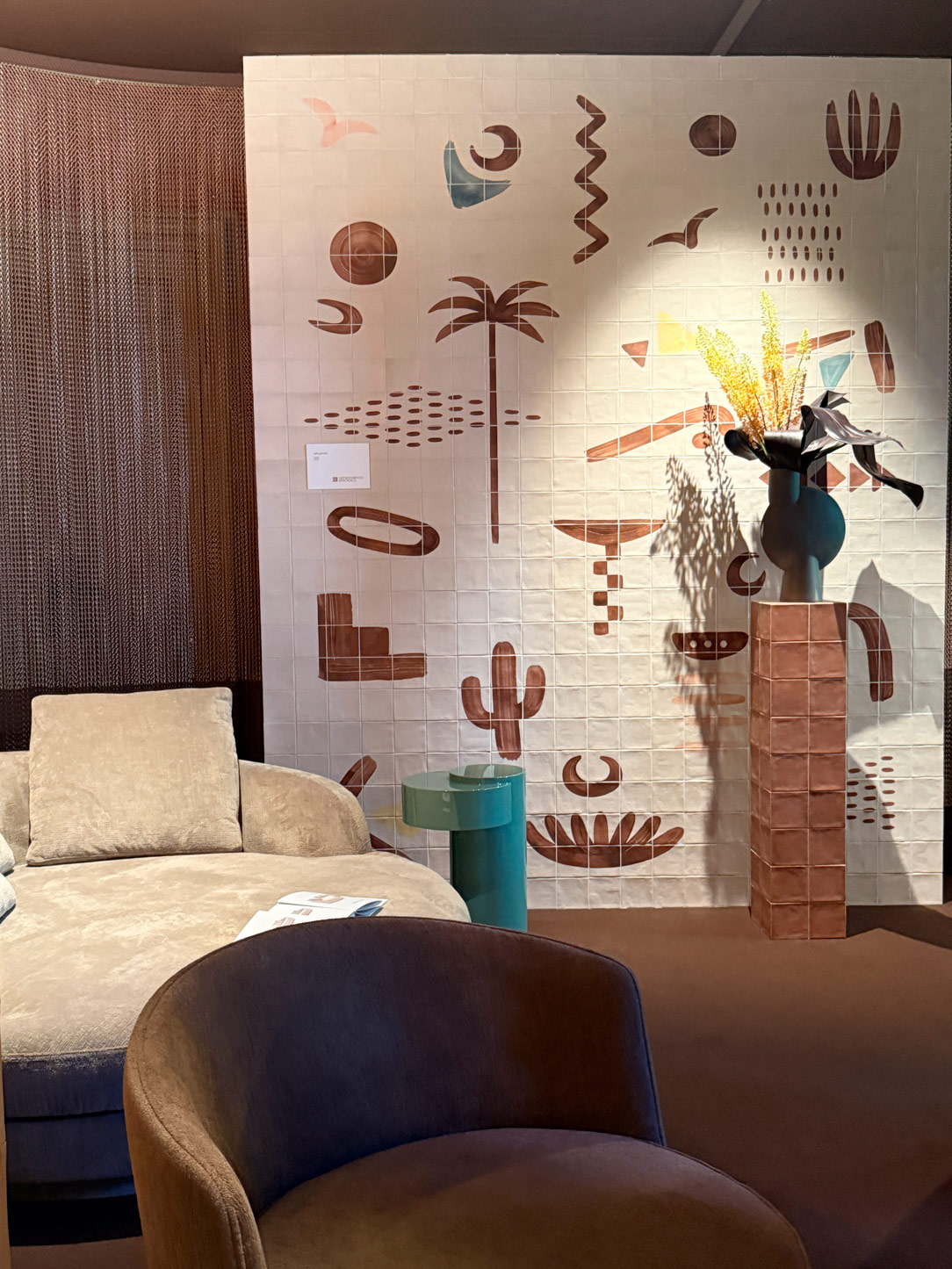
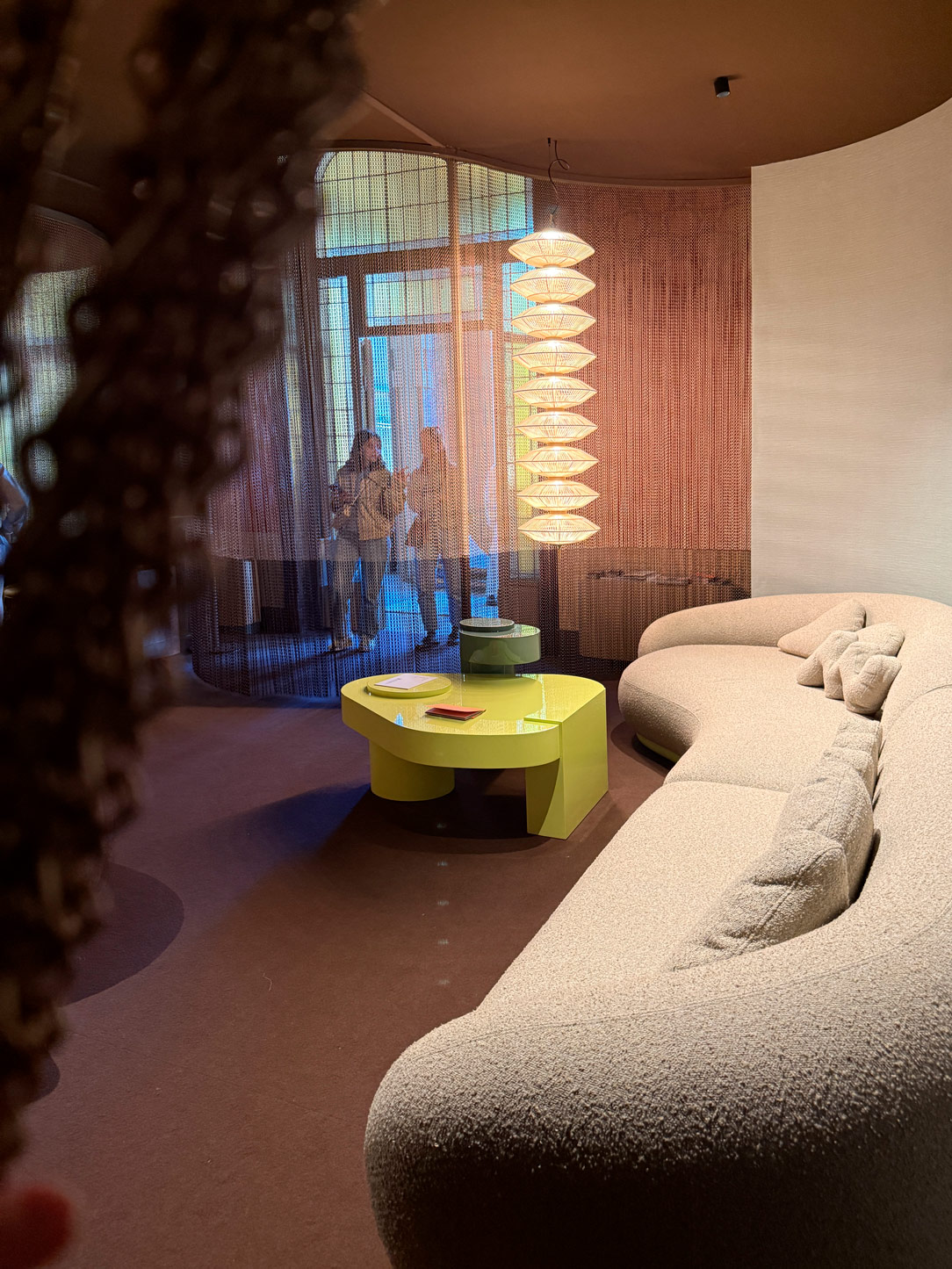
At Palazzo Bovara, Elle Decor Italia takes a different path with the exhibition curated by Piero Lissoni: luminous, almost suspended spaces, deliberately essential, where emptiness becomes a tool for seeing more clearly.
The entire experience unfolds like an evocative garden — a narrative threshold inviting visitors to lose themselves, only to reconnect. An open, rarefied inner landscape where the kitchen appears as a precise and rigorous machine, essential before any superfluous concession, while interiors become transparent, minimal containers in which furnishings adopt a discreet, almost silent presence.
A reflection on contemporary living that seems to suggest a new form of luxury: not accumulation, but subtraction. Not fullness, but breath.
A Final Glimpse into the Future: Chasing the Sun
And yet, among the many Fuorisalone installations, one in particular seems to leave behind a different message. Lighter. Brighter.
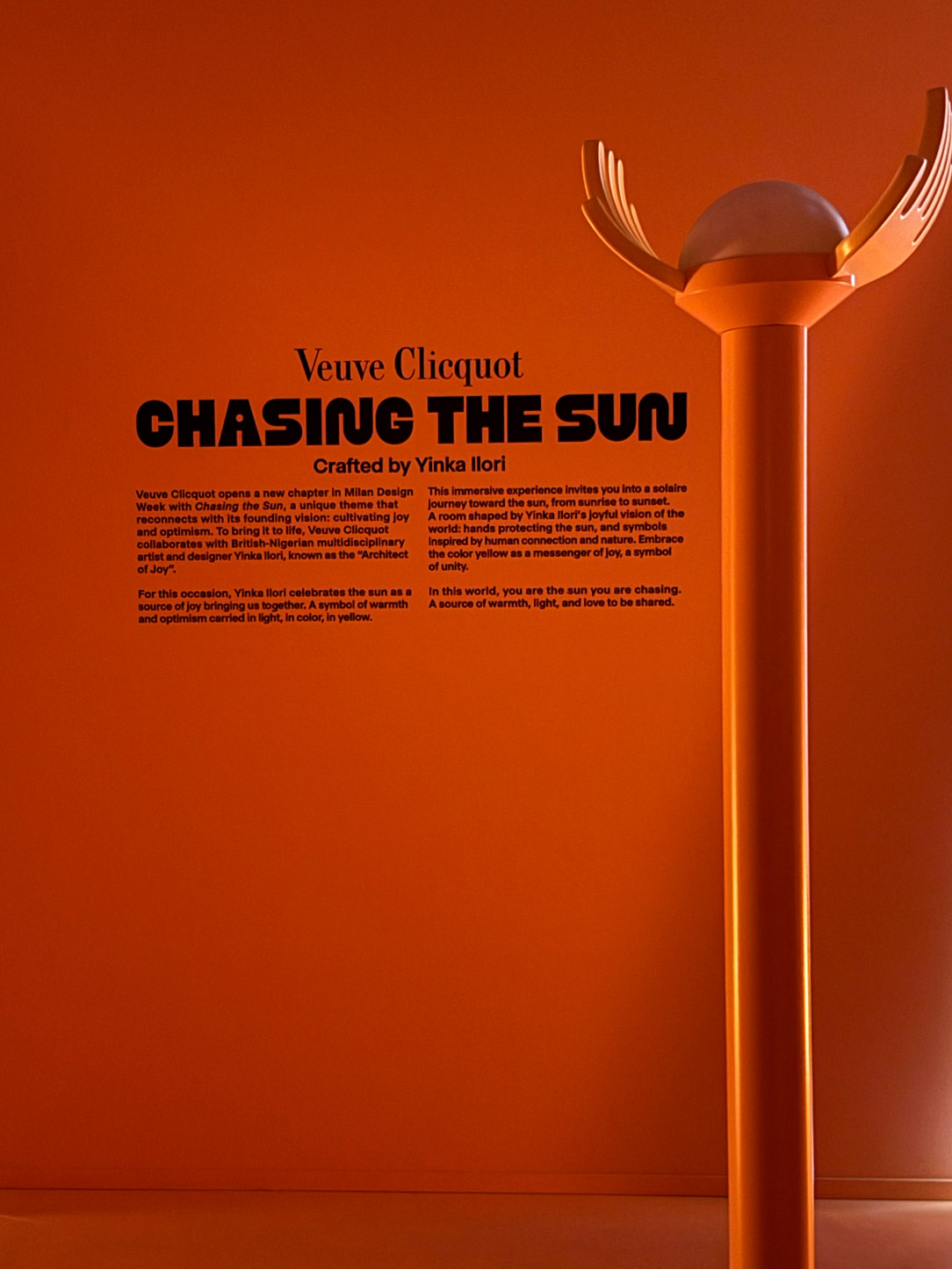
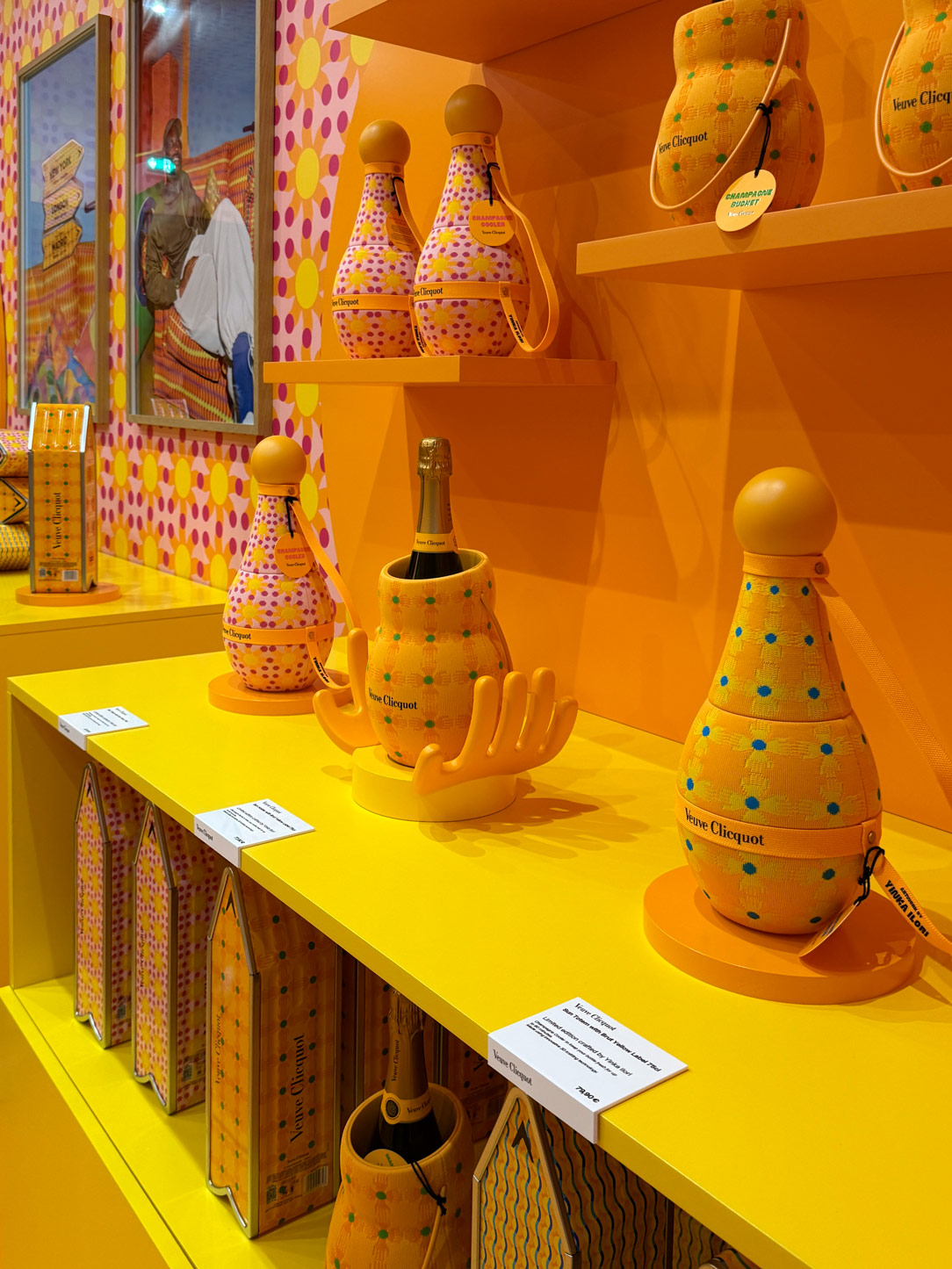
Perhaps for this very reason, one of the most striking exhibitions is Chasing the Sun, the project created by Veuve Clicquot in collaboration with designer Yinka Ilori.
Long associated with a world of joy and optimism, the maison presents here a vibrant, sun-filled universe where colour becomes both energy and promise. Intense shades of orange, bold forms, and an almost contagious vitality come together in a collection of objects designed to accompany the Yellow Label and Rosé cuvées — but above all, to evoke emotion.
In a Design Week that seems to seek comfort in memory, Chasing the Sun offers a gentle reminder that looking towards the future can still be an act of confidence.
An invitation to move forward lightly, without ever ceasing to chase the light.
What Does Salone del Mobile 2026 Leave Us With?
More than suggesting revolutions, Salone del Mobile 2026 seems to speak to a collective need.
The need to inhabit spaces capable of reassuring us.
Forms grow softer, natural materials return to centre stage, technology becomes lighter, and design regains a more emotional and sensory dimension.
As though design itself had chosen to take a step back in order to move forward more meaningfully.
Rediscovering in the past certain certainties — the warmth of materiality, the value of craftsmanship, the lightness of form — to guide us more gently toward what still remains unknown.
Perhaps a future that is less noisy.
But one that feels closer to people.